
 E-Paper



Just Like That | Route Laga Hai: The tyranny of VVIP movement
From “route laga hai” to endless traffic jams, VIP motorcades highlight the growing disconnect between India’s rulers and ordinary citizens.

 Prefer HTon Google


The President of India has a beautiful residence in Shimla called ‘The Retreat’. Most Presidents visit it during the summer. In the early 1990s, so did President R. Venkatraman. Whenever his motorcade passed through the city, all traffic and pedestrian movement were stopped during the peak tourist season. As his Press Secretary, I considered it my duty to inform him that his motorcade was causing great inconvenience. From then on, he did not venture out of The Retreat until his departure.
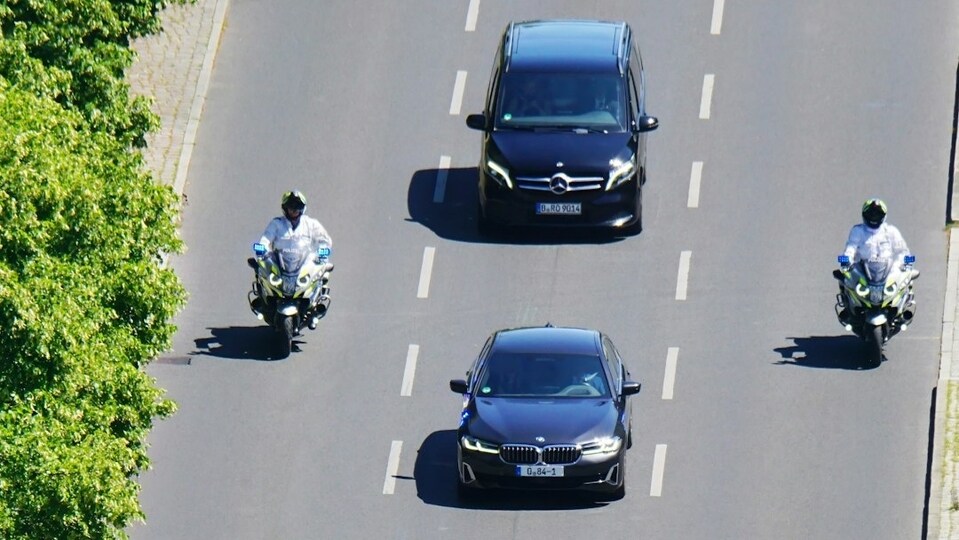
Leaders then were far more sensitive to the inconvenience caused by their motorcades. Today, however, among the many small indignities that ordinary Indian citizens endure on a daily basis, few are as symbolic of the distance between the rulers and the ruled as the familiar announcement: "Route laga hai." The phrase has now entered the lexicon of public helplessness. It means that a VVIP is on the move somewhere, and therefore the lives of thousands of citizens must be put on hold.
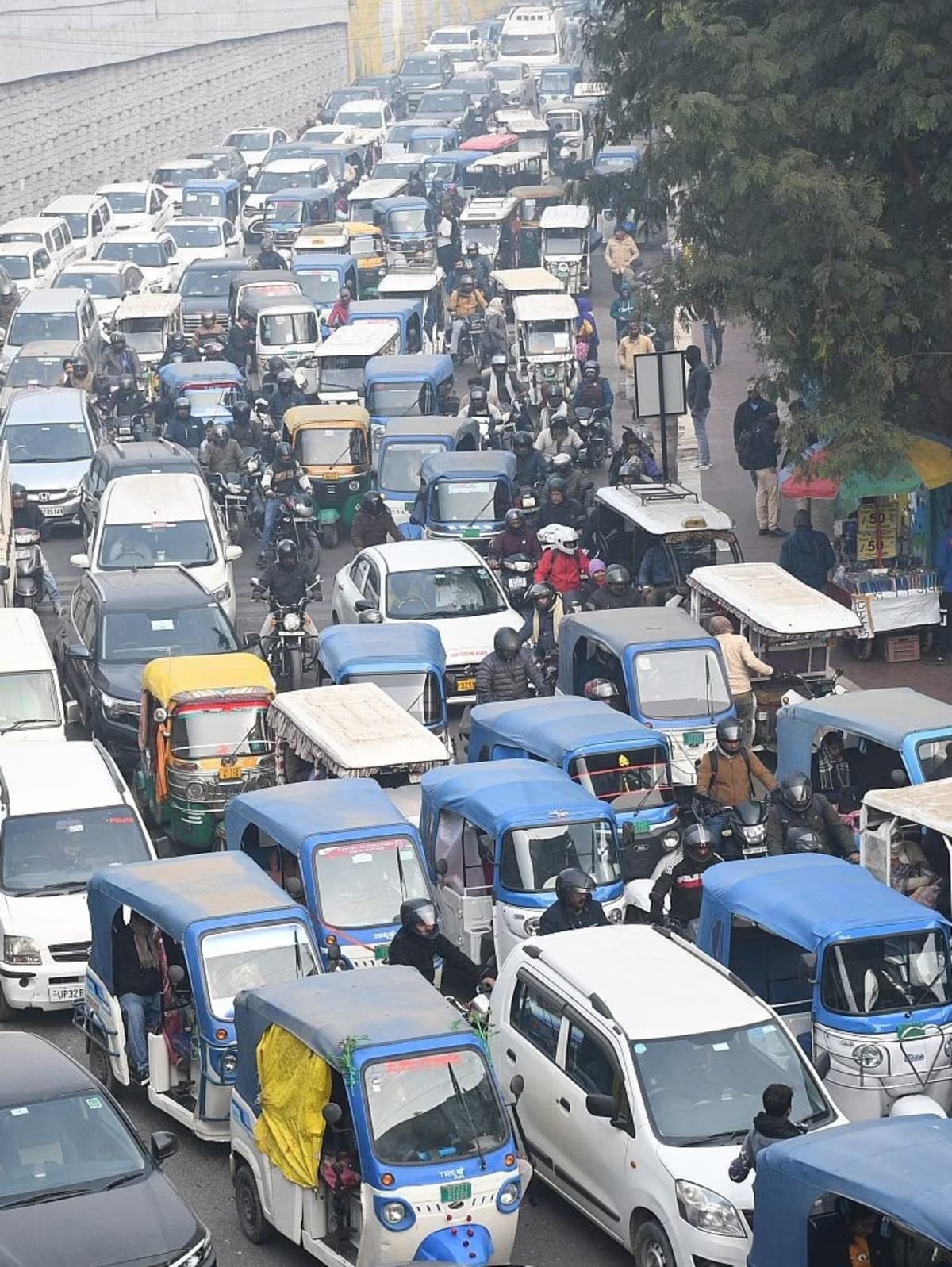
Traffic comes to a standstill. Cars idle endlessly. Schoolchildren are delayed. Office-goers miss appointments. Flights are missed. Fuel is wasted. Tempers fray. Yet citizens are expected to accept the inconvenience with resignation, as though it were a natural law rather than an administrative choice.
The issue is not security. No reasonable person would deny the need to protect constitutional authorities and those facing genuine threats. The issue is whether the manner in which security is implemented reflects democratic sensitivity or feudal privilege.
India has inherited many colonial habits, but perhaps none more enduring than the belief that the movement of the powerful must take precedence over the convenience of the public. In a democracy, however, the elected representative is meant to be a servant of the people, not their temporary overlord. Yet our roads often tell a different story.
The consequences are not merely inconvenient; they can be tragic. There have been repeated reports over the years of ambulances being trapped behind security barricades. In several instances, patients in critical condition have suffered grievously because traffic was halted for VIP movement. Many such incidents have been reported from Delhi, Bengaluru, Mumbai, Hyderabad and elsewhere.
The economic cost is also substantial. Thousands of vehicles standing idle for 15 or 20 minutes consume fuel without purpose. Multiply this across India's metropolitan centres and one arrives at a staggering waste of energy resources, increased pollution and lost productivity. In a country that constantly exhorts citizens to conserve fuel and reduce emissions, the contradiction is glaring.
What makes the situation particularly frustrating is the attitude of the authorities. Policemen stationed at roadblocks are often unable or unwilling to provide information. Their instructions are simple: stop traffic until the convoy passes. The citizen becomes an inconvenience in the very system that is meant to serve him.
The contrast with many mature democracies is instructive. In several European countries, road closures for heads of government are kept to the absolute minimum necessary. Motorcades are often smaller, routes are planned to reduce disruption, and stoppages are measured in minutes rather than extended periods. In Scandinavia, senior political leaders frequently travel with remarkably modest security arrangements. Even in the United Kingdom, where security concerns are real, efforts are made to ensure that ordinary traffic continues with minimal interruption.
Surely alternatives exist. Technology today allows real-time traffic management. Security routes can be planned with greater sophistication. Helicopter transport can be used more frequently for certain movements. Convoys can be reduced in size. Movement schedules can be organised during periods of lower traffic density. Most importantly, emergency vehicles such as ambulances must never be prevented from moving, irrespective of security protocols. A system that cannot distinguish between an ordinary car and an ambulance carrying a patient fighting for life has lost sight of its purpose.
Last week, I was in Guwahati. En route to the airport for my departure, traffic was abruptly stopped. Thousands of cars were packed bumper to bumper on the only artery leading to the airport. My driver said that it would take some three hours to reach our destination. I would miss not only my flight but also the next one. My wife and I then decided to abandon our car, cross the divider to the other side of the road, and take a ride on two motorcycles which, through alternative routes, got us to the airport just in time for our flight. It was an adventurous—and at our age, rather dangerous and unfamiliar—journey, especially since I was holding on to our trolley bag. But, at least, a VVIP was not inconvenienced!
Alas, the phrase "route laga hai" has become a permanent feature of our lives, and no one seems to care. However, the true test of governance is not how efficiently it moves the powerful. It is how respectfully it treats the ordinary citizen. Until that principle informs our ruling class, the road ahead will remain blocked—not merely by motorcades, but by an outdated conception of power itself.
(Pavan K Varma is an author, diplomat, and former member of Parliament (Rajya Sabha). The views expressed are personal)


