
 E-Paper



Lack of ‘global focus’ hit Indian varsities’ QS rankings
The QS rankings evaluate universities on the basis of academic and employer reputation, faculty and student ratio, citations per faculty, international faculty ratio and international student ratio.


The Indian Institute of Technology-Bombay (IIT-B) has emerged as India’s best ranked (152) educational institute in QS World University Rankings that were released on Wednesday.
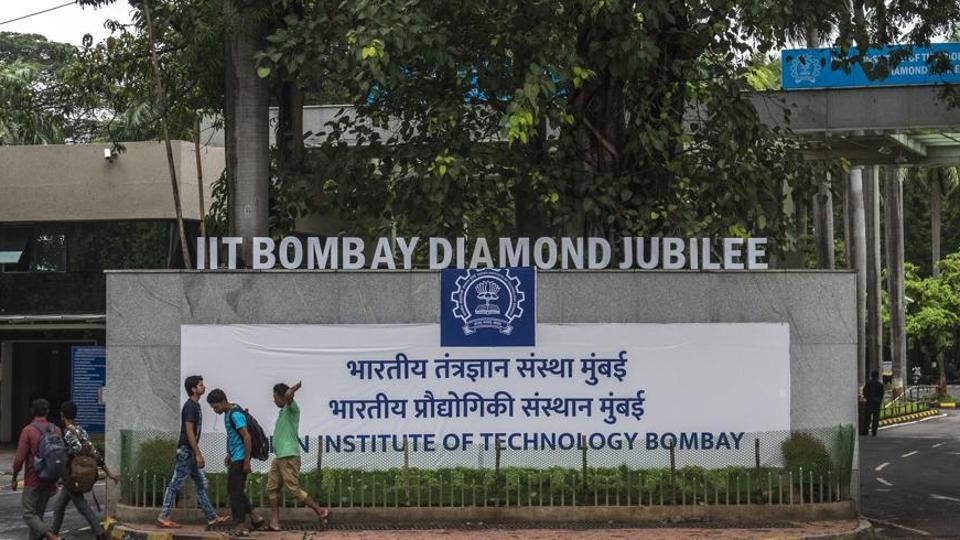
It has been ranked higher than Bengaluru’s Indian Institute of Science (IISC). India’s most leading universities have struggled to make it even to the list of the top 500 global institutions. Experts blame India’s failure in emerging as a global educational hub for the situation. Most top-ranked universities have a significant representation of foreign students, they say.
The IIT-B has improved its ranking since last year when it was ranked 162, while the Indian Institute of Technology-Delhi (IIT-Delhi) has dropped from rank 172 last year to 182 this year. IISC was ranked 170th last year while it fell to rank 184 this year.
The QS rankings evaluate universities on the basis of academic and employer reputation, faculty and student ratio, citations per faculty, international faculty ratio and international student ratio. Of these, the highest weightage is given to the academic reputation.
The Massachusetts Institute of Technology topped the rankings this year and scored 100 in all parameters except in citations per faculty in which it scored 99.8.
In comparison, IIT-Bombay scored 54.5 in academic reputation, 71.2 in employer reputation, 45.8 in faculty-student and 54.6 in citations per faculty. On the international faculty metric, IIT-Bombay scored just 3.4. And on international students, it went further down to 1.6. The IIT-Delhi similarly did well in terms of employer reputation and citations per faculty. But it did not fare well when it came to international students or faculty.
In terms of citations per faculty, IIT-Delhi did better than most and scored 80.6. It scored just 3.3 in terms of international faculty and 3.3 vis-à-vis international students.
An industrialist Pawan Goenka-led group, which the Union human resource development (HRD) has formed, recently held a discussion regarding improving the position of Indian educational institutes. In its report, the group recommended internationalisation and global class collaborations, high-quality research and citations, innovation and entrepreneurship as the focus areas for Indian universities. A group led by NITI Aayog CEO Amitabh Kant held special deliberations on internationalising education. It suggested setting up an Inter-University Centre for International Education as well as Centre for International Education in all institutions.
The deliberations were part of the HRD ministry’s Education Quality Upgradation and Inclusion Programme consultations, which took place in April. The ministry has prepared a detailed action plan based on the recommendations of these groups.


