
 E-Paper



Lost Mayan city discovered by chance in Mexico jungle
The city was discovered by chance through Lidar, or Light Detection and Ranging.

 Prefer HTon Google


Archaeologists in Mexico have discovered a huge Mayan city, which they have named Valeriana, Reuters has reported.
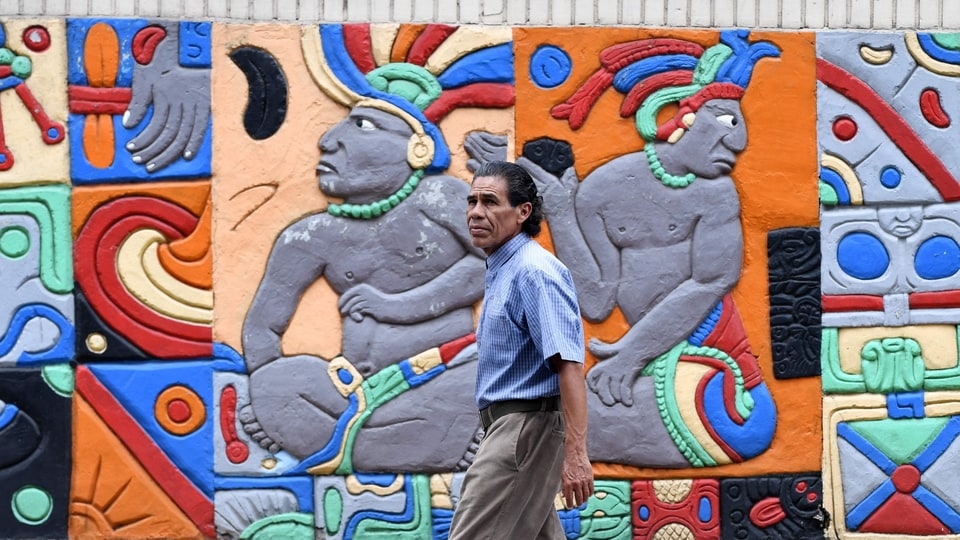
The city is hidden deep in the southern jungle of the Campeche region and is a sprawling urban settlement replete with architectural marvels and agricultural infrastructure.
The discovery challenges the existing knowledge about the prevalence and density of ancient Mayan settlements. It also serves as a stepping stone in our understanding of the Mayan urbanization and settlement patterns.
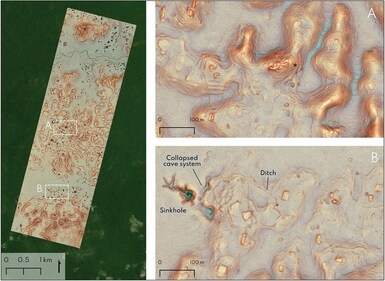
The city was discovered by chance through Lidar, or Light Detection and Ranging. This technology uses lasers to map and analyze archaeological landscapes, according to Reuters.
Also Read | Archaeologists discover Mayan scoreboard in Mexico's Yucatan
The study's dataset came from approximately 122 square kilometres of high-quality airborne Lidar data collected in 2013 as part of a forest monitoring project called Alianza.
"We argue that the Alianza data demonstrate a range of ancient settlement densities comparable to those documented by site-focused archaeological surveys in the region, from nearly vacant rural landscapes to dense urban areas," said the researchers in their study, which was published by Cambridge University Press.
Also Read | Mayan temple damaged in tourist 'apocalypse' frenzy
"The discovery of Valeriana highlights the fact that there are still major gaps in our knowledge of the existence or absence of large sites within as-yet unmapped areas of the Maya Lowlands," it added.
The classical-era Maya civilization dates back to the period between 250 and 900 AD, when it extended its dominion over present-day southern Mexico and what are now Belize, El Salvador, Guatemala and Honduras.
(Inputs from Reuters)


