E-Paper



LPG price reduced, auto fuel rates may also be cut soon
The cooking gas rate was reduced by ₹10 per cylinder fro ₹819 to ₹809.

 Prefer HTon Google


State-run oil marketing companies reduced the cooking gas rate by ₹10 a cylinder from Thursday, and plan to cut prices of auto fuels in the coming days, with the fall being steeper for diesel compared to petrol, two people aware of the development said.
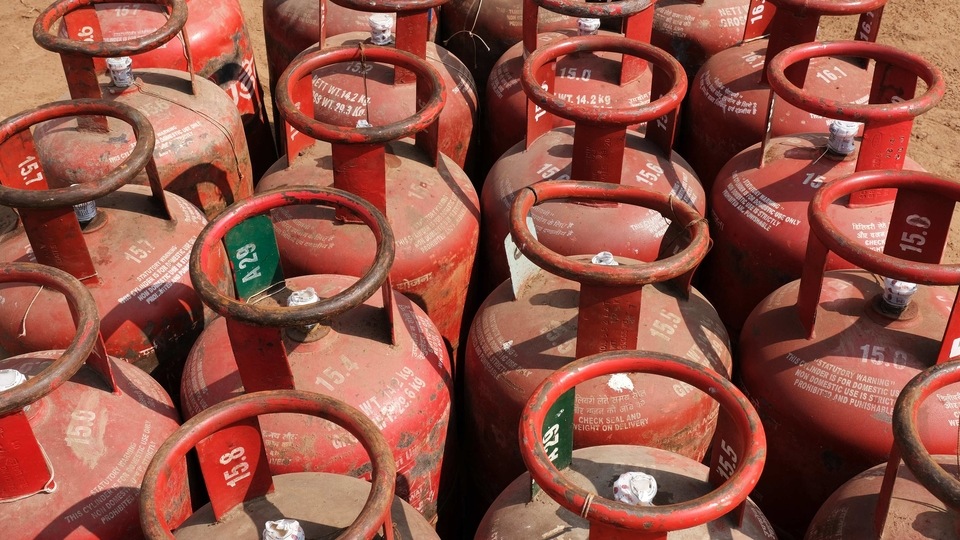
The government-controlled Indian Oil Corporation (IOC), India’s largest fuel retailer, on Wednesday announced reducing the cooking gas price. “With a view to give relief to domestic LPG [liquefied petroleum gas or cooking gas] consumers, the price of Domestic LPG cylinder has been reduced by ₹10 per cylinder from ₹819 per cylinder to ₹809 per cylinder at Delhi effective 1st April 2021. The same reduction has been carried out in other markets,” it said in a statement.
International oil prices are softening even as they remain volatile, but OMCs will reap some benefits of lower prices, and pass these on, the people added on condition of anonymity.
Petrol and diesel prices peaked on February 27, with global prices hardening and the Centre and the states not willing to forgo on the tax revenue they earn on fuel by cutting duties. The prices were frozen on February 27, immediately after the Election Commission (EC) announced assembly elections in four states and a Union Territory. After keeping auto fuel prices frozen for 25 days, public sector retailers reduced petrol and diesel rates in three small doses by 61 paise per litre and 60 paise a litre, respectively since March 24.
Also read | Petrol and diesel prices in your city, check today's rates here
Petroleum secretary Tarun Kapoor said that although the international oil market is still volatile, prices of crude and petroleum products have softened from their peak in early March. “We are hoping that international prices would remain stable and would not go up so that the benefit can be passed on to the consumer.”
Brent crude, which was trading below $60 a barrel until February 5, 2021, saw a strong rally to peak at $69.63 per barrel on March 11 because of a supply squeeze by the oil producers’ cartel, the Organisation of the Petroleum Exporting Countries and its allies, including Russia (together known as OPEC+). The cartel cut about one-tenth of global output in April 2020 after Brent crude plunged below $20 per barrel that month due to weak demand on account of a lockdown across many countries. But, OPEC+ did not raise output to push up price even as demand resumed.
“Much will depend on OPEC+ as they would like choke supply to artificially push up oil prices. But that would not be so easy without losing their market share as many consumers are drawn to other oil producers offering better terms such as the US,” said one person mentioned above who has direct knowledge of India’s energy security matters. The ministerial meeting of OPEC+ is scheduled on Thursday to decide the output policy. A Reuters’ report quoting a research note of JP Morgan said OPEC+ would tread cautiously by largely rolling over its production cuts into May.
A second person, who works for a state-run refiner, said state-owned oil marketers are a better placed to absorb some price volatility to keep petrol, diesel and cooking gas prices stable.
SC Sharma, an energy expert and former officer on special duty at the erstwhile Planning Commission, said: “As per PPAC [Petroleum Planning and Analysis Cell] Snapshot of February 2021; the overall refining margins for Indian refineries for the first nine months of FY 2020-21 are far better compared to the FY 2019-20.”