
 E-Paper



Sonam Wangchuk discharged, heads to Rajghat before returning home
Wangchuk was admitted to the private hospital on 21 July, a date after the ‘Sansad Chalo’ march in Delhi

 Prefer HTon Google


Activist Sonam Wangchuk was discharged from Medanta Hospital in Gurugram on Monday, after being admitted to the hospital for six days.
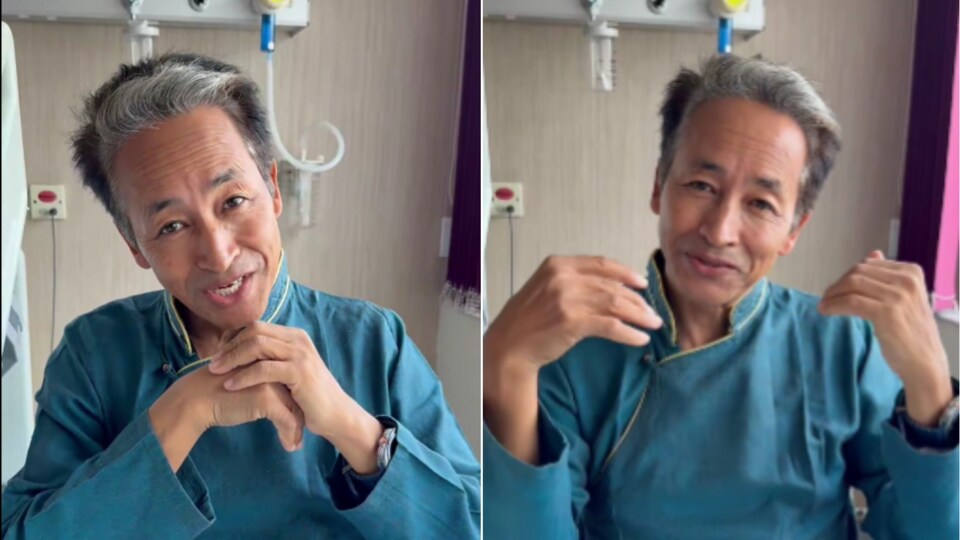
Wangchuk, on Monday, released a video on his official X account saying, “I am getting discharged today. I feel much better now, and my body is gaining strength slowly.”
He further said that he will go to Rajghat to pay homage to Mahatma Gandhi before going back to Ladakh. He also thanked people for coming in large numbers to support the Cockroach Janta Party (CJP)-led students’ protest at Jantar Mantar over National Eligibility cum Entrance Test (NEET) paper leak.
Medanta Hospital also released a statement confirming the news.
“At the time of discharge, he was stable and alert with vital signs within normal range. He has been advised routine follow-up on an outpatient basis,” said Dr Sanjay Durani, medical superintendent at Medanta The Medicity, in a statement on Monday.
Also Read:‘Police are everywhere’: Sonam Wangchuk’s wife questions heavy deployment at Medanta
Wangchuk was admitted to the private hospital on 21 July, a date after the ‘Sansad Chalo’ march in Delhi.
He was lifted from the Jantar Mantar protest site on 18 July and taken to Safdarjung Hospital in Delhi, where he was admitted for three days.
Wangchuk led the 26-day hunger strike at Jantar Mantar against NEET paper leak, demanding Dharmendra Pradhan’s resignation and broader reforms in the education system. He ended his hunger strike on 24 July, a day before Pradhan’s resignation.


