E-Paper



Madhya Pradesh schools to reopen from September 1 for classes 6 to 8
Apart from the offline classes, online classes will be continued for students, who don’t want to attend school. Educational material will continue to be telecast on Doordarshan and WhatsApp groups for students of government schools.

 Prefer HTon Google


Schools in Madhya Pradesh are set to reopen from September 1 for classes 6 to 8 with 50% capacity, an official aware of the development said. For classes 9 to 12, schools will also be reopened daily with about 50% capacity. As of now, classes from 9 to 12 are being conducted once and twice a week.
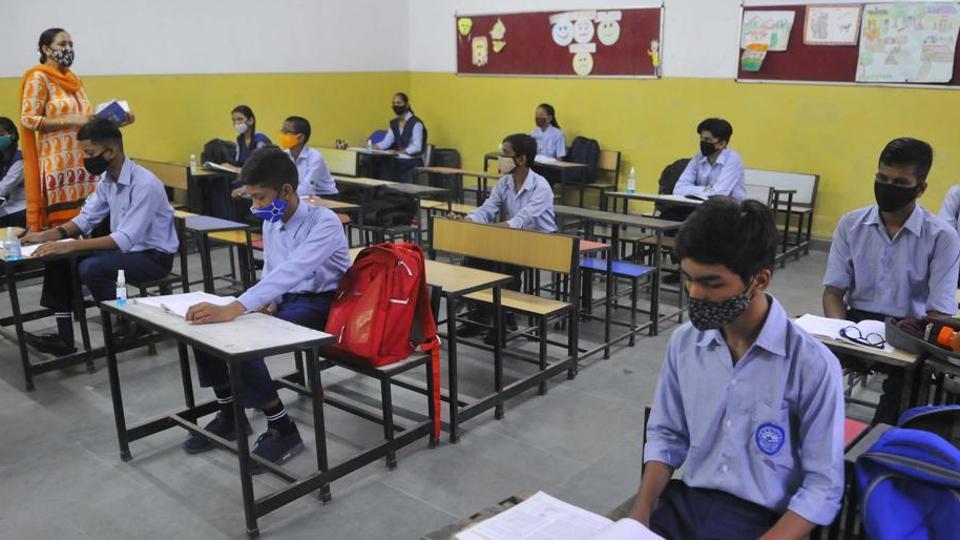
In a review meeting chaired by chief minister Shivraj Singh Chouhan held on Friday evening, it was decided that classes will be held on all working days of the week with 50% capacity. Students will be able to attend the school with the consent of their parents, said Inder Singh Parmar, school education minister.
The principals of the schools will be allowed to take a decision regarding the timings of schools and the ways to follow Covid-19 protocol.
Parmar said that it would be mandatory for all the staff working in schools to have received at least one dose of the Covid-19 vaccine.
Apart from the offline classes, online classes will be continued for students, who don’t want to attend school. Educational material will continue to be telecast on Doordarshan and WhatsApp groups for students of government schools.
The decision to re-open schools was taken after reviewing the number of cases of Covid-19. The positivity rate of MP continued to be below 1% for the past one month. The total number of active cases in MP is 82 and on Friday, only 16 people tested positive for the viral disease.