
 E-Paper



Madras high court verdict on OBC quota in medical college seats expected today
DMK has said in its petition that the 27 per cent of the seats offered by the Centre for admission of students against the surrendered seat under AIQ for undergraduate medical courses in Tamil Nadu is unacceptable.

 Prefer HTon Google


The Madras high court will on Wednesday deliver its verdict on a contempt petition filed by Dravida Munnetra Kazhagam (DMK) against the Centre, demanding 50 per cent reservation for Other Backward Classes (OBCs) in the All India Quota (AIQ) medical seats.
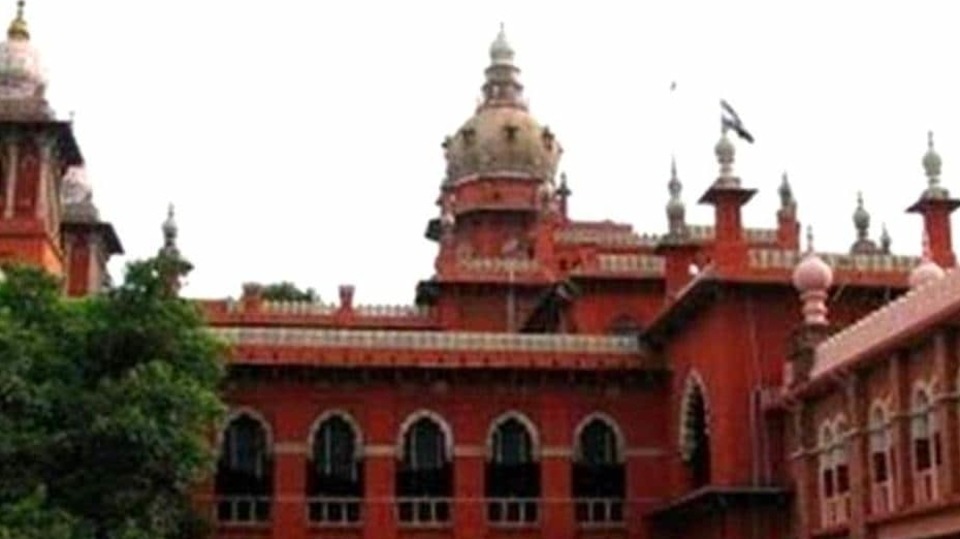
DMK has said in its petition that the 27 per cent of the seats offered by the Centre for admission of students against the surrendered seat under AIQ for undergraduate medical courses in Tamil Nadu is unacceptable.
DMK's counsel P Wilson told the bench of chief justice Sanjib Banerjee and justice PD Audikesavalu on August 3 that the state government will not accept anything short of 50 per cent, if not 69 per cent, as recommended by the first bench of the high court back in July last year.
The high court had, in July last year, ruled that OBCs are entitled to reservations in AIQ seats and ordered the implementation of the scheme from 2021-22 academic year. But, claiming there were no compliance with the court's order, the DMK filed ta contempt plea this year.
Also Read: Why states that can't control population get more seats in Parliament: Madras high court
A bench headed by then chief justice of Madras high court AP Sahi held in its July 27, 2020 that the issue had to be resolved between the state and the Centre with the participation of representatives from the medical and dental councils of India. It had also suggested a committee be constituted for providing the terms of implementation of the reservation as claimed by the petitioners.
It had also stated that the panel can fix the percentage of reservation.
When the matter came up for hearing on July 19 this year, the high court gave Centre time to make clear its position about the mode and manner of implementation of the OBC reservation quota in accordance with the 1993 State Act for admission of students to medical and dental colleges in the state.
As per the 1993 State Act, OBC reservation for Tamil Nadu is fixed at 69 per cent, which was done on the basis of the Tamil Nadu Backward Classes, Scheduled Castes and Scheduled Tribes (Reservation of Seats in Educational Institutions and of Appointments or Posts in the Services).
Also Read: Madras high court issues directions to ‘release caged parrot CBI’
After another week-long extension, the Centre told the court on August 18 that a 27 per cent quota will be extended for OBC students. However, DMK’s counsel contended that the order of 27 per cent runs against the high court and Supreme Court’s order which stipulates that 50 per cent of seats be reserved for OBC students. Additional Solicitor General KM Nataraj told the judges on behalf of the Centre that granting a 50 per cent quota to OBC students will exceed the limit set by the Supreme Court in the Marathas case.
Following this DMK’s counsel questioned the propriety of implementing quota for Economically Weaker Section (EWS) students. To which Nataraj responded that the provision for EWS quota has constitutional backing and that he need not justify that reservation in the present case which was confined only to OBCs. He also stated that the question of contempt does not arise since the Centre has provided 27 per cent quota for OBC students. After listening to both sides, chief justice Banerjee and justice Audikesavalu decided to pronounce their orders on the issue on August 25.


