
 E-Paper



Mathura Shahi Idgah case: SC directs HC registrar to stay present on next hearing
The Supreme Court on Tuesday directed the personal presence of the Allahabad high court registrar after the official failed to provide details of pending cases related to the Mathura temple-mosque dispute


NEW DELHI
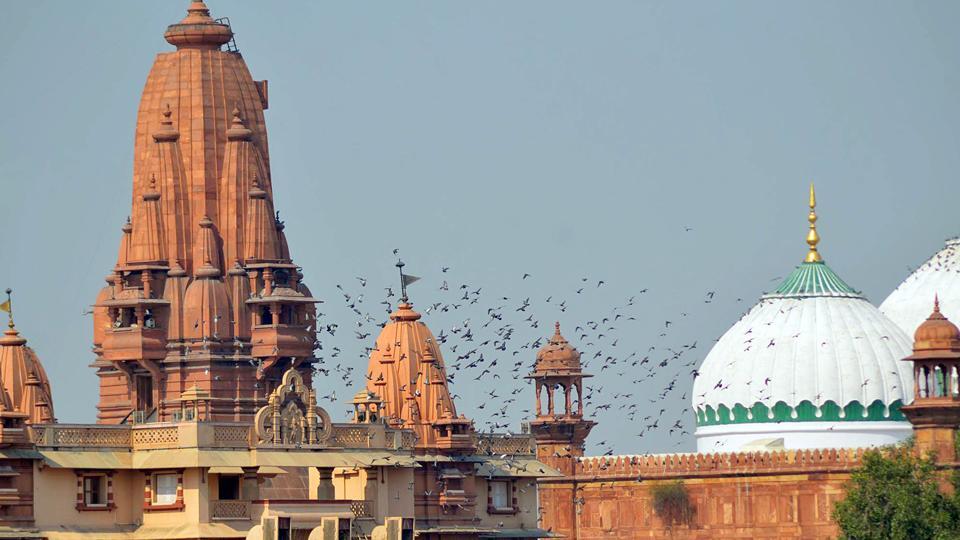
The Supreme Court on Tuesday directed the personal presence of the Allahabad high court registrar after the official failed to furnish details of the pending cases related to the Sri Krishna Janmabhoomi-Shahi Idgah dispute in Mathura.
Expressing displeasure, a bench of justices Sanjay Kishan Kaul and Sudhandhu Dhulia noted that the registrar concerned was asked to send the requisite information by an order on July 21 but there has been no response as regards the number of suits on the issue and their prayers.
The bench also instructed that its July 21 order be placed before the high court chief justice “on the administrative side to ensure a proper response”. Fixing October 30 as the next date of hearing, the court order added: “The concerned registrar shall remain present on the next date to assist the court.”
The bench was hearing an appeal by the Shahi Masjid Idgah management committee against an order of the Allahabad high court in May, transferring to itself all matters related to the dispute over claims over the land where the Shahi Idgah stands, adjacent to the Krishna Janmabhoomi temple.
On July 21, the bench observed that it would be in the interest of all stakeholders if the matter is decided “at the earliest” because pendency in such “sensitive” cases creates “disquiet”. Adding that it would lay down norms for hearing the clutch of suits related to the dispute, the court had directed the high court registrar to send details of all such pending cases. On the day, the Justice Kaul-led bench had also remarked that it would be more appropriate for a high court judge to apply his mind considering the complex nature of the case.
During the brief hearing on Tuesday, advocate Tasneem Ahmadi, appearing for the mosque committee, lamented that the recent deluge of contentious litigation has been triggered by a group of outsiders while Hindus and Muslims have lived in harmony for the last five decades in the region.
She also cited the distance between Mathura and Allahabad, pleading a place like Delhi or any other nearer point of adjudication would be better. “From Mathura to Allahabad, it is 600km, but from Mathura to Delhi, it’s around 150km. My clients do not have the funds to travel to Allahabad. If this could be shifted to a closer location...” Ahmadi added.
Responding, the bench said: “Let us have the list of suits first. Then we can tell you what we propose to do. But first, we need to know what the contours are.”
The May 26 order by the high court had come came on a plea by Bhagwan Shrikrishna Virajman at Katra Keshav Dev Khewat Mathura (deity) through the next friend, Ranjana Agnihotri, who is also an advocate, and seven others. Next friend is a legal representative of someone incapable of maintaining a suit directly. The petitioners had requested that the original trial be conducted by the high court as the matter involved is of national importance.
Accepting their plea, the high court had directed the district judge, Mathura, to prepare a list and records of all cases of similar nature involving the subject matter and touching upon its periphery, expressly or by implication.
Thereafter, all such matters shall be duly forwarded to this court within two weeks and the same shall stand transferred to this court in exercise of suo motu powers of this court,” the high court said in May.
The single judge bench had at that time requested the chief justice of the high court to nominate an appropriate bench for trial and disposal of such suits.
Multiple suits have been filed in the Krishna Janmabhoomi-Shahi Eidgah dispute in different courts of Mathura, with a common claim that the Eidgah complex was constructed on a part of 13.37-acre land belonging to the Sri Krishna Janmabhoomi Trust. The suits have demanded that the mosque, which abuts the temple, be removed and the land returned to the trust.



