
 E-Paper



Medical tourism market reels under Covid hit
Major private hospitals in Delhi admit they are yet to see a revival in international patient footfall to its pre-pandemic levels, especially since the regime change in Afghanistan, the economic crisis in Sri Lanka, and the rising dollar rates.

 Prefer HTon Google


Over two years of the ongoing Covid-19 pandemic has majorly hit the once-booming medical tourism to the country, with major private hospitals in Delhi admitting they are yet to see a revival in international patient footfall to its pre-pandemic levels, especially since the regime change in Afghanistan, the economic crisis in Sri Lanka, and the rising dollar rates.
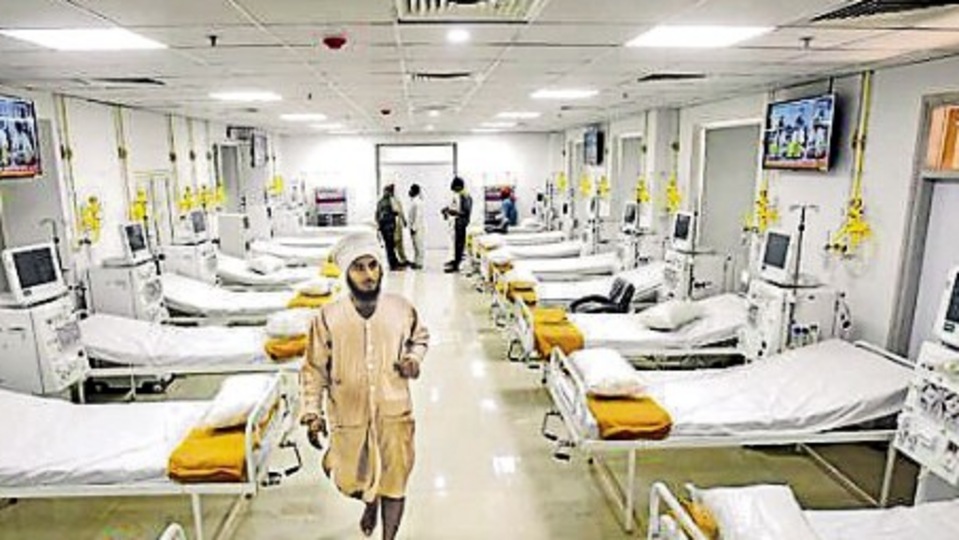
Private hospitals said while the number of international patients seeking medical care in India is slowly rising, they have only managed to reach 75-80% of the pre-pandemic numbers.
Until 2020, India used to be a choice destination for international patients seeking complicated surgeries owing to reasons of credibility, shorter waiting time and relatively lower expenditure, doctors across Delhi hospitals said.
Dr Anupam Sibal, group medical director of Apollo Hospitals and senior paediatric gastroenterologist and hepatologist at Indraprastha Apollo Hospital, said that before the Covid-19 pandemic, the group used to receive international patients from Bangladesh, Afghanistan, Myanmar, Nigeria, Kenya, Tanzania, Nepal and Philippines for both in-patient and out-patient treatments.
“The inflow of international patients is reviving. Their numbers have revived to approximately 80% of what it used to be pre-pandemic, and it will increase further as Covid cases continue to dip across the world,” Dr Sibal said.
According to the medical tourism index, prepared by the Medical Tourism Association, India ranked third in 2015 and 10th in 2020-21 among the top 46 countries “as the most preferred destination for medical care across the world”.
Central government figures show that currently, there are around 38 Joint Commission International (JCI) accredited and over 350 National Accreditation for Hospitals (NABH) accredited hospitals in India.
A report by the Federation of Indian Chambers of Commerce and Industry (FICCI) highlighted that the treatment in India is up to 50% cheaper as compared to facilities in the USA or Europe, and the mortality rate is also less compared to the US.
Before Covid-19 hit, the medical tourism market in India was estimated to be around $9 billion ( ₹68,400 crore), up from $3 billion in 2015. The study showed that India’s share in the world’s medical tourism market was 18%, which was expected to increase to 20% by 2020.
According to data from the Union ministry of tourism, in 2014, more than 140,000 patients came to India for treatment and the number reached 400,000 in 2018. Navin Pascal, regional head (sales) at Manipal Hospital, Dwarka, said pre-Covid, about 10-15% of the hospital’s total revenue came from international patients.
“This dropped to nil due to international travel and visa curbs. After the resumption of international flights, our volumes have returned to the pre-pandemic level. However, we continue to face challenges due to an impasse in key source markets such as Pakistan, Afghanistan and Yemen owing to political factors and rising dollar rates,” Pascal said.
Dr Ritu Garg, chief growth and innovation officer at Fortis Healthcare, said apart from Covid and its resultant travel restrictions, medical tourism to the country was also hit by the regime change in Afghanistan.
A central government estimate showed that Afghan nationals comprised 8-9% of the country’s medical tourism market in 2018 and in 2019. While this market has been completely shut off since the regime change in September 2021, patient inflow from countries such as Bangladesh, Maldives, Bhutan and certain African nations have increased.


