
 E-Paper



Meghalaya finalises SOPs to tackle early marriages, violence against women and children
The draft has been submitted to the state’s advocate general for legal vetting before it is presented to the Meghalaya High Court and made public

 Prefer HTon Google


Shillong: The Meghalaya social welfare department has finalised its proposed Standard Operating Procedures (SOPs) to address early marriages and cases of violence against women and children.
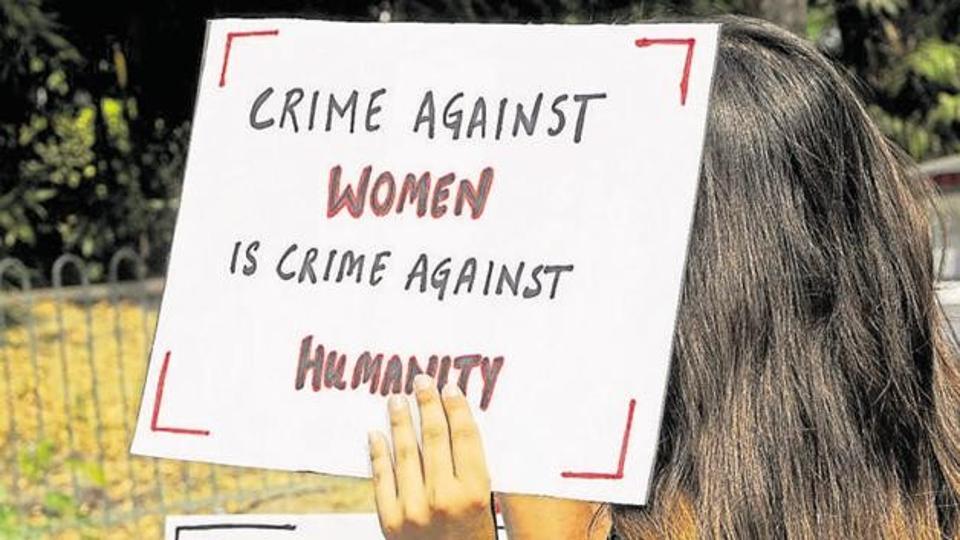
The draft has been submitted to the state’s advocate general for legal vetting before it is presented to the Meghalaya High Court and made public.
The SOPs, once cleared by the advocate general, are expected to provide a uniform framework for law enforcement, social workers, and local institutions in handling cases of early marriage and gender-based violence.
Adviser to the department Paul Lyngdoh said the SOPs aim to bridge the gap between traditional practices and existing laws such as the Protection of Children from Sexual Offences (POCSO) Act. “The challenge is to strike a balance between cultural realities and the law of the land. Early marriages are widespread, and the law has to be implemented in a way that is both effective and sensitive,” Lyngdoh said after a consultative meeting with stakeholders on Tuesday evening.
He said that implementation of the POCSO Act remains difficult in rural Meghalaya, where many communities are unaware of legal provisions. “We don’t have child marriage as an institution, yet early marriages are common across the state. Many girls conceive at 13 or 14. When enforcement happens, villages often plead ignorance, saying it’s a long-standing custom,” he added.
Meanwhile, the department plans a state-wide awareness campaign involving counsellors, experts, and Child Development Project Officers (CDPOs) to reach remote villages and educate communities about child protection laws.
Lyngdoh also called for stronger community participation in law enforcement through the revival and empowerment of Village Defence Parties (VDPs). He said that in many rural areas, the nearest police outpost is several hours away, making it crucial for local residents to support policing efforts.
“Community policing must become part of the solution,” he said. “VDPs are legally sanctioned and act as the foot soldiers of the police. If villages are aware and willing to participate, we can build a system that prevents abuse and reduces violence against women and children.”
Efforts to obtain a government response on the timeline for implementation have not yet fructified.


