
 E-Paper



Mental well-being as crucial as physical health, say experts
Mental well-being is as crucial as physical health but 70% of those who are in need of help do not seek it due to social stigma, experts said, which makes this year’s World Mental Health Day theme — mental health is a universal human right — seem like a distant dream


Mental well-being is as crucial as physical health but 70% of those who are in need of help do not seek it due to social stigma, experts said, which makes this year’s World Mental Health Day theme — mental health is a universal human right — seem like a distant dream.
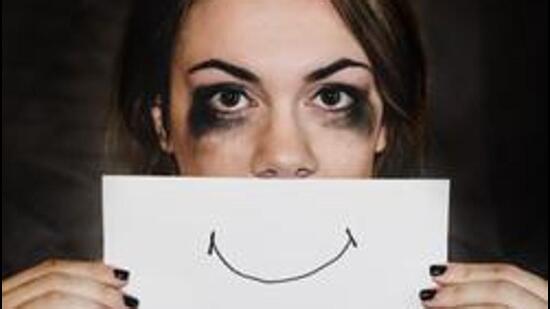
“If you define health without the mental health, you won’t be able to reach any place. You look at health care providers of the country and see how many you would find that have a well- integrated establishment health programme,” said Dr Samir Parikh, consultant psychiatrist and chairman at Fortis National Mental Health Programme. “How many workplaces are giving you an end-to-end mental health solution? You look at the number of schools and the number of counsellors that are available for them.”
Dr Parikh was speaking at the HT Dialogues, along with counsellor and parent coach Chandrika Iyer, on the occasion of World Mental Health Day on Tuesday.
While taking care of one’s mental health may still not be a priority among most people, it is the stigma attached to mental ailments that makes them shy away from seeking help. “You need to look at the sheer prevalence of mental ailments in the world, and as high as 70% still do not seek help, primarily because there’s stigma,” said Dr Parikh.
The scenario is now changing as opposed to how things were in the mental health care space about a decade ago, Iyer held. “If you look at the statistics, all the figures are pretty abysmal, but I have seen, especially post Covid, more inclination from people to seek professional help with respect to their emotional and mental well-being,” she said. “Also, there has been quite a bit of awareness that has spread through podcasts, YouTube videos, Ted talks, and several celebrities talking about their mental health.”
“In my practice, I find more parents are more willing to recognize signs of distress in their children, and teenagers themselves are able to recognize when they have emotional health problem, or a peer problem, or conflict problem, and are more willing to seek help,” Iyer said. “Having said that, I agree we have a very long way to go.”
Making mental health an integral part of the curriculum will help increase overall awareness, she added.
“It is a multipronged approach. It can’t be one workshop in the year kind of a thing. This has to be a movement. You have to talk more about it in our daily lives, in social gatherings. Only then the stigma part will be tackled,” Iyer said. “Seeing a psychiatrist needs to be as normal as seeing a cardiologist.”
The advent of tele-mental health service has helped to bridge the gap to an extent. “The access part has now become better; the government has done a tremendous job in promoting and developing tele-mental health. Covid triggered it, but it’s working well,” Dr Parikh said. “In our metros, the number of experts available is very high as compared to once you start going further away, tier I, II, III (cities). Apart from access, it also brings affordability.”
Among youngsters, cyber bullying is a growing concern. “I handle a lot of cases of bullying, mostly cyber bullying, which is more prevalent that what it was five years ago. There’s a very blurry line that children have between the virtual and real world these days. A lot of parents lament that children are spending way too much time on their gadgets and there is a sense of social atrophy here,” Iyer said. “It is the main culprit and parents need to be aware and regulate usage at their level. If we empower parents with the right tools, then we can mitigate some of the challenges we face.”


