
 E-Paper



Military abuzz with new CDS rumours, govt prefers deep selection to hurry
The Modi government would prefer an able successor to Gen Bipin Rawat from the Indian Army as the next CDS, who is focused on synergizing the three services operationally and push for creation of much required theatre commands.

 Prefer HTon Google


After the Defence Ministry sought the personal profiles of all military chiefs and commander-in-chiefs from the three services since January 1, 2020, last week, the appointment of new Chief of Defence Staff (CDS) is the hot topic of conversation among the top brass. The new CDS will succeed General Bipin Rawat, who passed away in an IAF helicopter crash in Coonor in Nilgiris district on December 8, 2021.
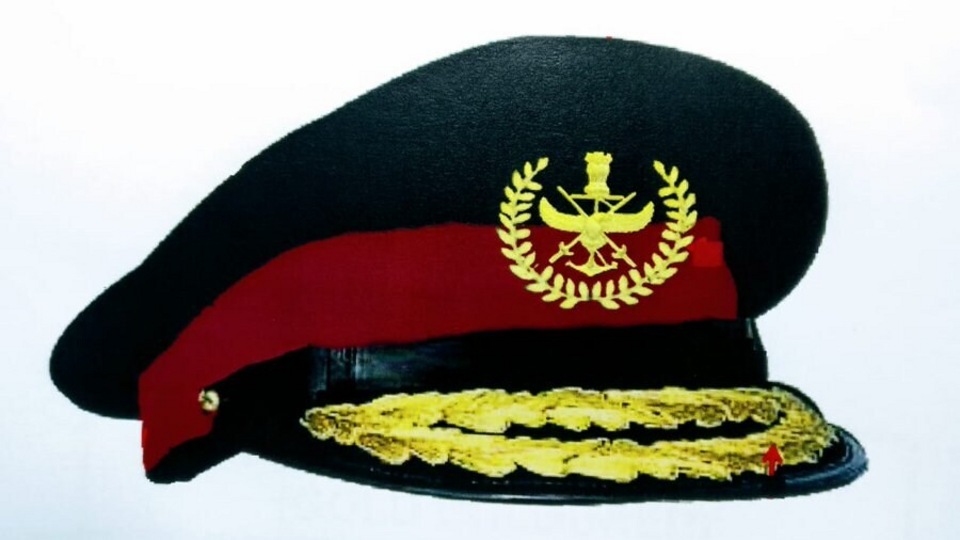
Although the corridors of military headquarters are buzzing with the speculation on who will be the next CDS, the Defence Ministry appears to be in no undue haste and would prefer a deep-down candidate selection for the appointment of the second CDS. There is also no plan to bifurcate the CDS post by hiving off the Secretary (Department of Military Affairs) section and reducing the post of principal military advisor to the government to a largely ceremonial role.
Last week, the Defence Ministry asked the three-service headquarters to furnish a list of personal details of present Chief and serving commander-in-chiefs along with the details of all Chiefs and C-in-Cs who retired after January 1, 2020. While the Defence Ministry wanted to upgrade the data bank, this was construed by military that the Modi government was expected to appoint the next CDS soon. This has become a topic of intense discussion in the South Block with retired chiefs and C-in-Cs actively lobbying for their chance with the ruling party politicians.
While likely the next CDS, whenever he is appointed, will be from the Indian Army, the largest force, the Modi government will do all background checks so that the next CDS is an able successor to Gen Rawat and believes in transforming the military. The government is clear that the next CDS should have the clout to cut through silos within the armed forces and synergize them operationally through proposed military theatre commands. The problem within the military is that none of the chiefs want dilution of their tremendous powers in favour of proposed theatre commanders and division of their military assets among various theatre commands to make the Indian military more responsive and potent. Had Gen Rawat been alive, he had all plans to announce and operationalize theatre commands in the 75th year of Independence.
Fact is that despite the Andaman and Nicobar Command (ANC) was set up as a tri-service command way back in 2001, the three services still are fiercely protective of their domains and prefer to remain in silos. The ANC was supposed to be a test case for a theatre command but is still to live up to its expectation despite its location and humungous military leverage in the Indo-Pacific. Gen Rawat and the national security planners had plans to develop ANC into a spearhead command with replenishment facilities for all ships bound towards South China Sea and North Asia via Malacca Straits.
Rather than appoint a retired chief or a retired C-in-C as a CDS, the government would prefer to wait and only appoint after they are able to identify a three or four star officer who can take on military pressure from both the northern and the western front.


