E-Paper



‘Miyas’ to be 38% of Assam population in next census, says Himanta Biswa Sarma
Sarma said the state government planned to introduce two legislations in the next assembly session to protect the state’s indigenous population

 Prefer HTon Google


GUWAHATI: Assam chief minister Himanta Biswa Sarma on Friday said that ‘Miya-Muslims’ will make up for 38% of the state’s population by the time results of the next census are out and announced that the government would introduce two legislations to protect the state’s indigenous population.
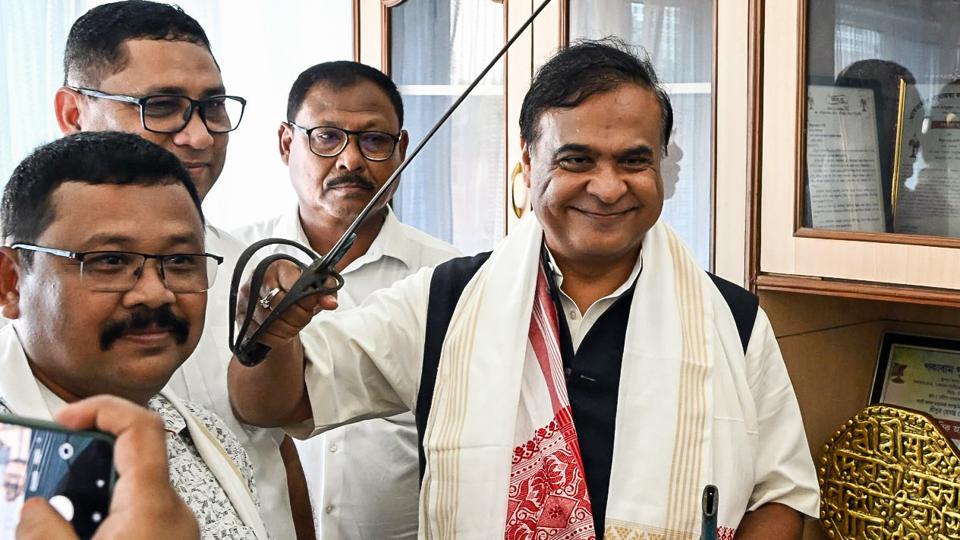
“The results of the next census for Assam will show that the population of Miya-Muslims in the state would be 38%. You can note this statement of mine,” Sarma told reporters in Dibrugarh on the sidelines of a government function.
Miya is a pejorative term used primarily in Assam for Bengali-speaking Muslims with origins in Bangladesh, or erstwhile East Pakistan. Under the Citizenship Act, people who entered the state from Bangladesh after March 25, 1971 would be considered foreigners.
“If a projection is made by statisticians, (it will show) that they (Miya-Muslims) would become the single largest community in Assam. This is a fact,” he added.
According to the 2011 census, Hindus accounted for 61.47% of Assam’s total population. Muslims made up 34.22% of the state’s population. To be sure, this figure includes both indigenous Muslim communities that have lived in the state for centuries and consider Assamese as their mother tongue, and Bengali-speaking Muslims who have migrated to the state over the past century.
Sarma said the state government planned to introduce two legislations in the next assembly session to protect the state’s indigenous population from the so-called threat of demographic change.
“In view of that (rise in population of Miya-Muslims) and in order to protect our people, we have been taking actions in the past five years. In the upcoming assembly session, to tackle such a problem, two important pieces of legislation would be introduced. I won’t reveal their details yet. In order to protect our ‘jati, mati, bheti’ (race, land, homeland) more such legislations would be introduced,” said Sarma.
The chief minister also targeted previous Congress governments, saying the indigenous people would not have had to worry if the Congress had acted when it was in power.
“A war has now started, and we now have to take it to its expected goal. The actions we have been taking will lead to better days, but they will have to be continued for another 10 years. We need to keep the Miyas under pressure, as we are doing now. If that continues, this situation will be better,” Sarma said, stressing that the eviction drives started against illegal encroachers of government land and forest by suspected Bangladeshis would continue.