
 E-Paper



Mukul Rohatgi declines AG post as he has ‘second thoughts’
Mukul Rohatgi said that he is grateful to the government for according him the opportunity the second time.

 Prefer HTon Google


Days after expressing his willingness to take over as the Attorney General for India, senior lawyer Mukul Rohatgi on Sunday withdrew his consent for the assignment, saying he had “second thoughts” about it.
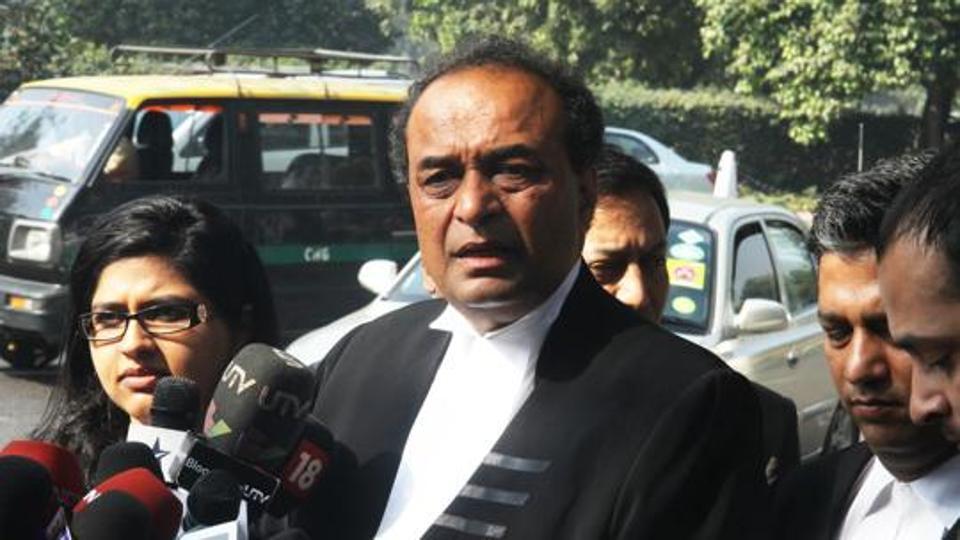
“I have declined to take up the job. I had second thoughts about it,” Rohatgi told HT, adding he will not be able to assume the office of the top law officer due to personal reasons.
Rohatgi, however, added that he is grateful to the government for according him the opportunity the second time.
The senior lawyer was the first AG for the Narendra Modi-led National Democratic Alliance government between 2014 and 2017.
According to people aware of the matter, Rohatgi informed the Prime Minister’s Office (PMO) about his indisposition to become the AG on Saturday night. Rohatgi gave his consent for assuming the top post around a fortnight ago following a request from the PMO.
The senior lawyer’s withdrawal leaves the government with the options of either elevating its senior most law officer (the solicitor general) as the AG or scout for a new candidate to take the mantle from ace lawyer KK Venugopal, 91, who expressed his inability to continue after September 30, when his third extension at the helm is getting over.
Venugopal, who took over as the AG in 2017 after Rohatgi’s three-year term ended, agreed to a short three-month extension in June after the completion of his tenure.
During a hearing recently, Venugopal indicated that he might not continue as the top law officer after the completion of his present term.
Soon after Rohatgi gave his consent to the AG’s post, the Union law ministry issued directions making it mandatory for its department concerned to place a list of all the cases first before the AG to let the top law officer select matters where he feels his appearance is necessary.
It is only after the AG makes a decision regarding his appearance in select cases that the list will be placed before solicitor general (SG) Tushar Mehta, who can then mark matters to himself or to other law officers and government counsel, the September 13 order stated.
The son of a former Delhi high court judge, Rohatgi, 67, was designated a senior counsel in 1993 and was later appointed as an additional solicitor general in 1999. His first term at the Centre’s law office ended with the change of the government in May 2004. In his capacity as the ASG during the Atal Bihari Vajpayee government, Rohatgi represented the government in the Supreme Court in the 2002 Gujarat riots and fake encounter cases.



