E-Paper



Nasal vaccines to cost ₹800 at private centres, ₹325 at government
Bharat Biotech’s nasal vaccine, iNCOVACC, against Covid-19 will be available for ₹800 per dose at private vaccination centres and ₹325 at government centres, exclusive of taxes, the company announced on Tuesday.

 Prefer HTon Google


Bharat Biotech’s nasal vaccine, iNCOVACC, against Covid-19 will be available for ₹800 per dose at private vaccination centres and ₹325 at government centres, exclusive of taxes, the company announced on Tuesday.
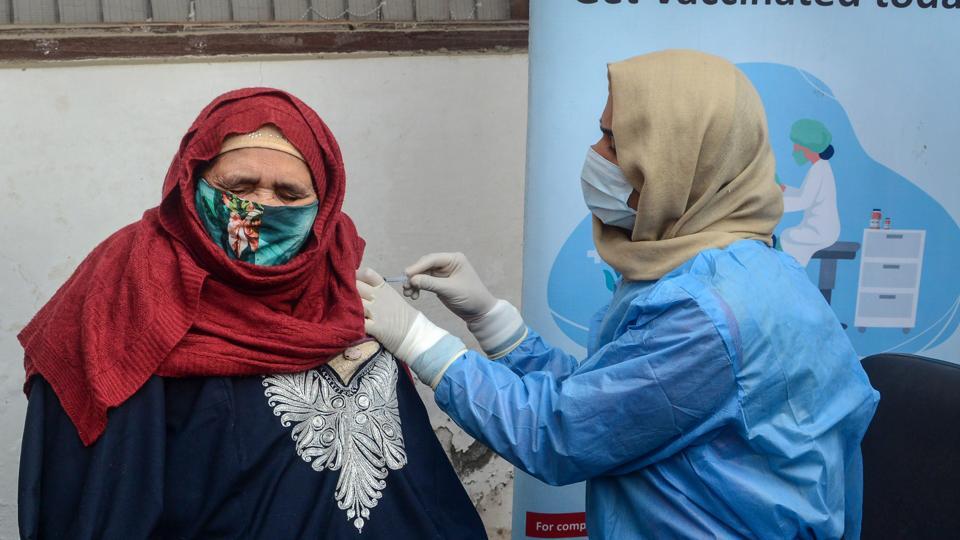
The vaccine is scheduled to be rolled out in the fourth week of January as a booster shot option for eligible adults, irrespective of what their primary coronavirus vaccination dose was. It will be administered to people twice, 28 days apart.
“iNCOVACC is now available (as an option) on Co-WIN, and priced at INR 800+GST for private markets and priced at INR 325+GST for supplies to Govt of India and State Governments,” the company said in a statement, referring to the government-run vaccine booking service, Co-WIN.
The nasal vaccine was approved by the Central Drugs Standard Control Organization (CDSCO) earlier this month. On Thursday, India’s technical expert committee on immunization – National Technical Advisory Group on Immunisation (NTAGI) – recommended it be included as one of the “precautionary dose” adults can take as boosters.
The vaccine is based on a new platform than Bharat Biotech’s other dose, Covaxin. While it was evaluated in phases I, II and III clinical trials with successful results, the statement said, the company is yet to release any data around it. The lack of transparency harks back to the early days of the Covaxin rollout, when many hesitated to take it since there was little scientific evidence shared.
But nasal vaccines are deemed to be promising for protection against the Sars-CoV-2. Such doses target the mucous membrane in the nasal pathway, the site where the coronavirus first infects the body. The vaccine elicits a protective coat of what is known as IgA antibodies over the membrane, which then prevents an infection in the first place.
Also read: Countrywide drills, booster doses, masks- India's renewed Covid fight: Top 10
The company added the product is meant to be easy to administer in low and middle-income countries.
“The vectored intranasal delivery platform gives us the capability for rapid product development, scale-up, easy and painless immunisation during public health emergencies and pandemics. We thank the Ministry of Health, CDSCO, Dept of Biotechnology, Govt of India, Technology Development Board, and Washington University, St Louis, for their support and guidance,” executive chairman Krishna Ella said in a statement.
The company said the vaccine is stable at 2-8°C for easy storage and distribution.
Clinical trials were conducted at nine sites across the country in 875 participants. The vaccine was developed in partnership with Washington University, St. Louis, which had designed and developed the recombinant adenoviral vectored construct and evaluated in preclinical studies for efficacy, it said.