
 E-Paper



Naveen Patnaik defends Pandian after criticism over BJD’s Waqf flip-flop
Naveen Patnaik said the allegations against Pandian were “baseless and exaggerated” and that Pandian continued to be a figure of “integrity and dedication”.

 Prefer HTon Google


BHUBANESWAR: Former Odisha chief minister and Biju Janata Dal (BJD) president Naveen Patnaik on Wednesday issued a staunch defence of his close aide VK Pandian over allegations that he had a role in the party changing its stance on the Waqf law in the Rajya Sabha, insisting that the former bureaucrat was not involved in any party activities after exiting the BJD 10 months ago.
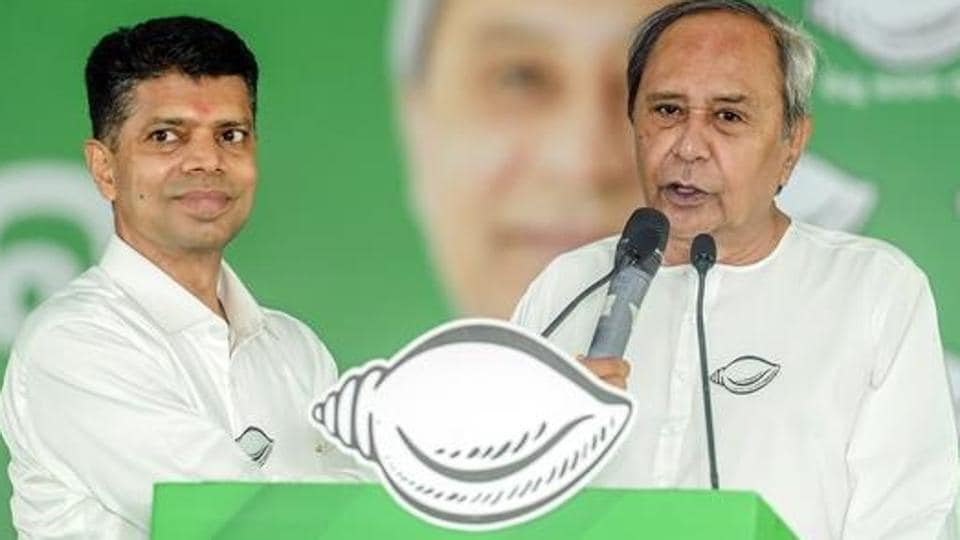
Patnaik said the allegations against Pandian were “baseless and exaggerated” and that Pandian continued to be a figure of “integrity and dedication”.
“I want to clarify again that he doesn’t belong to the party. I also want to state quite clearly that Kartikeyan Pandian, in the past, has done a lot of good work not only for the state but for the party. So, he shouldn’t be criticised or blamed for anything. Also, he left the party more than 10 months ago and is not involved in any of the party’s work,” Patnaik told reporters at his residence, Naveen Niwas.
Patnaik also said he disapproved of party leaders holding meetings at hotels when the party office, ‘Sankha Bhawan’, was available and could have been used.
Hours earlier, several BJD leaders including Shashibhushan Behera, Chandra Sarathi Behera, Nrusingha Sahu, Ashok Panda, Prafulla Samal, and Bhupinder Singh, held a meeting at a hotel in Bhubaneswar. Also at the meeting was former legislator Pravat Tripathy, who had blamed Pandian for the BJD’s stunning defeat in the assembly elections last year.
Patnaik said the former legislator was expelled from the BJD some years ago because he was indicted in the chit-fund case and spent some years in jail. “I want to clarify again that he doesn’t belong to the party,” he said.
The BJD, which had decided to oppose the Waqf (Amendment) Bill in Parliament, decided at the last minute to let MPs vote according to their conscience and not issue a whip. According to opposition leaders, at least three BJD MPs are believed to have voted for the amendments in the Rajya Sabha.
Several senior party leaders including Pratap Jena and Debasish Samantaray have since then openly criticised Pandian’s influence over Patnaik and the party’s decision-making process.
Pandian’s critics within the party allege that the former bureaucrat, despite announcing his withdrawal from active politics following the BJD’s defeat in the 2024 state elections, continues to wield significant influence away from the spotlight.
“The party’s U-turn on the Waqf Bill is a direct result of decisions pushed by Patnaik’s advisor,” Samantaray claimed in a veiled jab at Pandian, a sentiment echoed by other disgruntled leaders.
On Wednesday, Patnaik said that the BJD remains a cohesive unit under his leadership. “We are a secular party, and I will ensure that every voice is heard and every concern addressed,” he said, sidestepping direct questions about Pandian’s current role.



