E-Paper



Nepal’s FM seeks thorough probe after KIIT Nepali student found dead in room
A 18-year-old Nepali undergraduate student found dead in her hostel room in Bhubaneswar’s Kalinga Institute of Industrial Technology (KIIT) on Thursday

 Prefer HTon Google


Bhubaneswar: The Nepal government is in contact with Indian diplomats to ensure a thorough investigation into the death of an 18-year-old Nepalese undergraduate student at the Kalinga Institute of Industrial Technology (KIIT), foreign minister Arzu Rana Deuba has said.
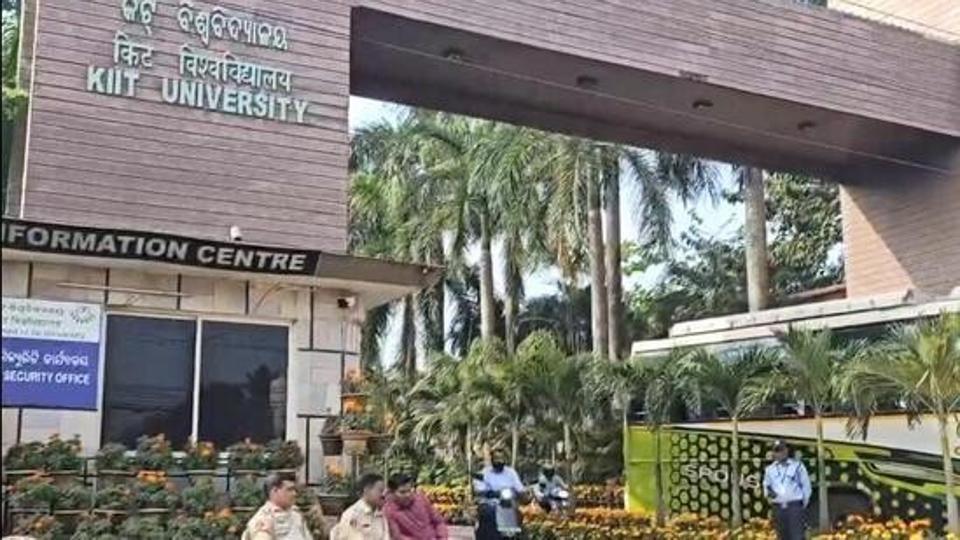
The student was found dead in her hostel room in Bhubaneswar’s KIIT on Thursday evening, the second such case in less than three months.
“The incident of a Nepali student studying at Kalinga Institute of Industrial Technology University in Odisha being found dead in her hostel room has left us deeply saddened. Discussions are ongoing with the Government of India and the Government of Odisha,” Deuba wrote on X.
The deceased was studying computer science and hails from Birgunj area of Nepal.
“Around 7pm, when attendance was being taken, the student concerned, who was alone in the room, did not respond. Upon checking, she was found hanging from a ceiling fan. We are conducting an investigation. Postmortem is being done today. We have not found any suicide note. The victim’s friends are being questioned for clues. An unnatural death case has been registered as no complaint has been received,” Bhubaneswar-Cuttack police commissioner S Dev Datta Singh said.
Shankar P Sharma, Ambassador of Nepal to India, wrote on X: “Deeply saddened by the tragic death of Nepali student, found in her hostel room at KIIT, Odisha. Heartfelt condolences to her family. Prayers for eternal peace. We are closely coordinating with MEA, Odisha Govt., police & the university for a thorough investigation.”
The Odisha government said that it extends its support to the family of the deceased and offers its condolences to them. “On receipt of the information, senior officers, including the commissioner of police and revenue divisional commissioner, rushed to the site to enquire into the circumstances leading to the unfortunate incident and take necessary action in the matter. The forensic team is at the spot to collect evidence. Investigative teams are working closely with university authorities to determine whether any external factors contributed to the tragedy,” an official of state information and public relations department said.
Also Read: Nepali student dies by suicide in Bhubaneswar’s KIIT hostel, second in 3 months
The death on the campus comes less than three months after a 20-year-old Nepali student, also studying computer science, died by suicide following alleged blackmail by her classmate which later escalated into a major crisis over some faculty members making racial and humiliating comments at the Nepali students.
The suspect, Advik Shrivastava, a third-year B Tech student was later arrested by Bhubaneswar police at the city airport while he was allegedly trying to flee. The university had faced flak for its handling of the case when university officials ordered over 1,000 Nepali students to leave the campus. The external affairs ministry had subsequently intervened which led the university switch to damage-control mode and issue apologies.
The National Human Rights Commission which probed the case, held the university responsible for the sequence of events that led the student to die by suicide. NHRC said the victim was sexually harassed by the accused and the subsequent inaction by the university’s International Relations Office violated the deceased’s right to equality and right to live with dignity and led to her suicide.
The Odisha government which formed a high powered committee headed by additional chief secretary home to probe into reports of misconduct, including the use of force, against students by KIIT officials on February 16 evening and February 17, is yet to submit its report.
If you need support or know someone who does, please reach out to your nearest mental health specialist. Helplines: Aasra: 022 2754 6669; Sneha India Foundation: +914424640050 and Sanjivini: 011-24311918, Roshni Foundation (Secunderabad) Contact Nos: 040-66202001, 040-66202000, ONE LIFE: Contact No: 78930 78930, SEVA: Contact No: 09441778290