E-Paper



Draft notification out for trade in green credits
The draft notification has sought objections and suggestions from the public and will be taken into consideration on or after the expiry of 60 days

 Prefer HTon Google


New Delhi The Union environment ministry has issued a draft notification to create a market-based mechanism to promote the Lifestyle for Environment movement and encourage climate-friendly behaviour in various sectors.
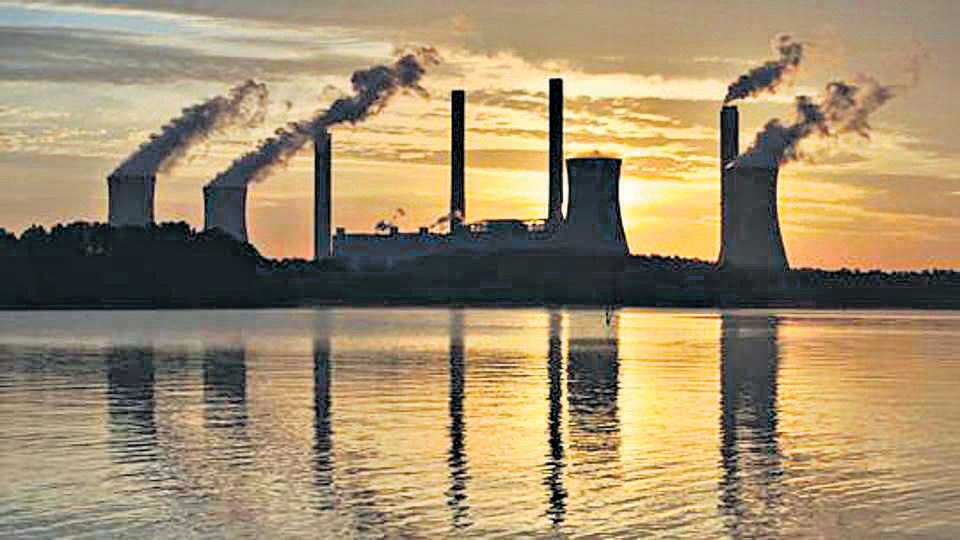
Apart from incentivising environment-sensitive behaviour among individuals and communities, the draft Green Credit Programme Implementation Rules 2023 issued on Tuesday stated that the government will also encourage private sector industries and companies to meet their existing obligations, stemming from other legal frameworks. They can do this by generating or buying green credits according to the draft notification.
Green credits will arise from a range of sectors and entities, ranging from small-scale ones, such as individuals, farmer producer organisations, cooperatives, forestry enterprises, sustainable agriculture enterprises, etc to those being developed at the level of urban and rural local bodies, private sector industries and organisations, it added.
These green credits generated from such activities will be made available for trading on a domestic market platform. An environmental activity generating green credits may have climate co-benefits too, such as reduction or removal of carbon emissions. An activity generating green credits under the Green Credit Programme may also get carbon credits from the same activity in the carbon market, the draft notification issued under the Environment Protection Act, 1986 said.
The focus of the Green Credit System on tree plantation and afforestation needs to be carefully assessed and implemented, experts said.
"It will be important to see these rules as part of the package of reforms integrating the compensatory afforestation (CA) mechanism with the goal of offsetting carbon emissions. The 2022 FC Rules created space for private sector involvement through accredited CA and the proposed amendments to the forest conservation act can lead to unlocking land to incentivising plantations as carbon sinks. While this an important step to remove any ambiguity of operationalizing global net zero targets through domestic law and policy, it will be important to have a holistic assessment of these changes," said Kanchi Kohli, legal and policy researcher.
"There are three sets of considerations that these legal ‘reform' processes can benefit from. First, are the post-independence legacy of unresolved forest ownership and governance rights. Second, relates to the ecological and biodiversity challenges of all afforestation and plantation programmes that have been raised over the years. Finally, there are the global critiques around carbon credit schemes, especially the risks they pose by reducing the value of forests as being fungible, tradable commodities. It will be useful for the draft rules process to take all these aspects into consideration through internal discussions and a public interface," she added.
The draft notification has sought objections and suggestions from the public and will be taken into consideration on or after the expiry of 60 days. The mechanism will be implemented in a phased manner. In the initial phase, two to three activities from each sector will be considered for designing and piloting the programme. Some sectors identified include: Tree plantation-based credits that include activities for increasing the green cover across the country through tree plantation and related activities; water based credits to promote water conservation, water harvesting and water use efficiency; sustainable agriculture-based credits to promote natural and regenerative agricultural practices and land restoration to improve productivity, soil health and nutritional value of food produced; waste management based credits to promote sustainable and improved practices for waste management, including collection, segregation and treatment; air pollution-based credits, among several others.
“This is different from the domestic carbon market which is meant solely for CO2 emission reductions. But other environmental obligations also need to be met. This green credit system will facilitate those,” said a senior official of the Union environment ministry.
The Union budget this year also said a Green Credit Programme will be notified under the aforementioned Act. “This will incentivise environmentally sustainable and responsive actions by companies, individuals and local bodies, and help mobilise additional resources for such activities,” Union finance minister Nirmala Sitharaman had announced.
The guidelines for the establishment and operation of the trading platform shall be issued by the green credits administrator with the approval of a steering committee. The trading platform for the exchange of green credits shall be established by the trading service provider accredited by the administrator in accordance with the approved guidelines. India is also considering a domestic carbon market and participating in the international carbon market as well. In February, the environment ministry finalised a list of activities that can be considered for trading in carbon credits in the international market under Article 6 of the Paris Agreement. The list includes carbon removal activities such as carbon capture and storage; and mitigation activities such as generating renewable energy with storage (only stored component), solar thermal power, offshore wind, green hydrogen and compressed bio-gas and alternate materials such as green ammonia.
“The green credit programme was announced during the Union budget 2023, aligning with India’s climate goals under the Paris Agreement. It is indeed a welcome step because it aims to incentivise high-quality projects in sectors such as waste management, green cover, water conservation, conservation and restoration of mangroves, sustainable buildings and infrastructure, etc. The notification from MoEFCC dated 27 June, 2023 also mentions a wide range of entities that will be benefited from this programme that includes small-scale enterprises, individuals, farmer producer organisations, cooperatives, forestry enterprises and sustainable agriculture enterprises,” said Subrata Chakrabarty, associate programme director, Climate Program, WRI India
“For it to help LiFE mission to become a mass movement and contribute to India’s NDC targets, it will be crucial to ensure that the methodology and the standards are robust and additional strategies that would create enough demand of the green credits for the viability and stability of the market, and the MRV protocols are inspired by the global best practices. It will also be interesting to see how the green credit programme interacts with the existing voluntary carbon markets and upcoming markets under Article 6 of the Paris Agreement,” he added.