
 E-Paper



No new cases of Nipah virus detected in India since September: WHO
Between September 12 and 15, Union health ministry reported six laboratory-confirmed cases of Nipah virus, along with two deaths, in Kerala's Kozhikode district

 Prefer HTon Google


The World Health Organization (WHO) on Tuesday said that no new cases of the brain-damaging Nipah virus were detected in India since September 15, after an outbreak in early September led to two deaths.
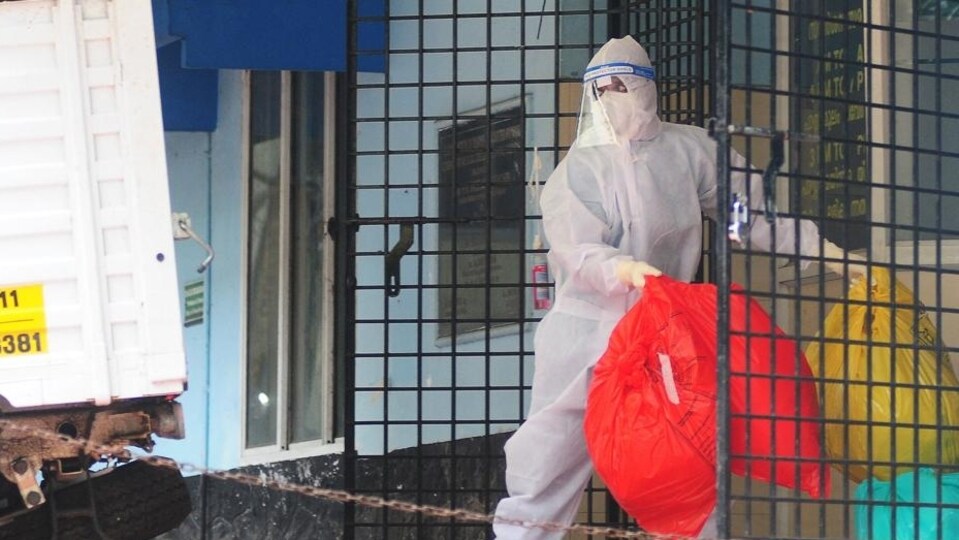
Between September 12 and 15, the Union health ministry reported six laboratory-confirmed cases of Nipah virus, along with two deaths, in Kerala's Kozhikode district. The source of infection was unknown for the first case, while the other cases were family and other hospital contacts of the first one.
As per WHO, the Nipah virus has no vaccination and the fatality rate ranges from 40 to 75 per cent.
The virus found in Kerala has been identified as the Indian Genotype or I-Genotype and is similar to the strain found in Bangladesh. There are two known strains of the Nipah Virus — one is Malaysian and the other from Bangladesh.
WHO said, until September 27, 1,288 contacts of the confirmed cases were traced, these included high-risk contacts and healthcare workers and were put under quarantine and monitoring for 21 days.
It added that since September 12, 387 samples were tested, out of which six were positive for Nipah virus and all the remaining samples tested negative. "Since September 15, no new cases have been detected," WHO said.
While fruit bats are natural hosts for the virus, which is fatal to humans and animals, it also spreads to humans via coming in contact with infected animals like bats and pigs. It can also spread through human-to-human contact.
The symptoms of the Nipah virus are — cough, sore throat, fever, dizziness, drowsiness, muscle pain, vomiting, tiredness, encephalitis (swelling of the brain), headache, stiff neck, sensitivity to light, mental confusion, and seizures.
The incubation period for the virus ranges from around four to 14 days, but it has been reported to be as long as 45 days, WHO said. The Kerala government enforced a double incubation period of 42 days.
The virus was first spotted in humans in 1998 after it spread among several pig farmers in Malaysia. "This is the sixth outbreak of Nipah virus in India since 2001," said the WHO.
In 2018, at least 17 people died after being infected by the Nipah virus in Kerala.


