
 E-Paper



Non-reporting of sexual offences against children a serious crime under Pocso Act: SC
The top court underlined that relevant provisions in the Pocso Act cast a legal obligation on individuals to inform law enforcement agencies as soon as they come to know about such crimes


Failing to report sexual crimes against minors promptly is a “serious crime”, the Supreme Court said on Wednesday stressing that all attempts to shield offenders in such cases must be dealt with sternly.
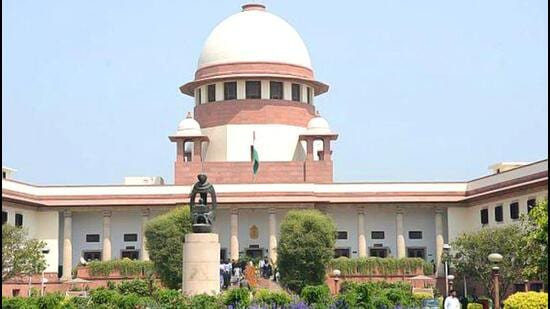
The top court underlined that relevant provisions in the Prevention of Children from Sexual Offences (Pocso) Act cast a legal obligation on individuals to inform law enforcement agencies as soon as they come to know about sexual crimes committed against children and failure to do so would be counter-productive to protecting children from exploitation.
“Prompt and proper reporting of the commission of offence under the Pocso Act is of utmost importance and we have no hesitation to state that its failure on coming to know about the commission of any offence thereunder would defeat the very purpose and object of the Act,” stated a bench of justices Ajay Rastogi and CT Ravikumar.
Citing the pertinent provisions under the Pocso Act, the court pointed out that the law provides for a jail term up to one year for failing to report an offence.
“Such provisions are included with a view to ensure strict compliance of the provisions under the Pocso Act and thereby, to ensure that the tender age of children is not being abused and their childhood and youth are protected against exploitation...non-reporting of sexual assault against a minor child despite knowledge is a serious crime and more often than not, it is an attempt to shield the offenders of the crime of sexual assault,” held the bench.
Highlighting that the Pocso Act aims at ensuring offenders are not spared and are properly booked, the bench added that prompt reporting would enable immediate medical attention to the victims, besides assisting the police in nabbing the accused without any delay.
The court made the observations while deciding an appeal by the Maharashtra government against the exoneration of a doctor charged with shielding an accused by not reporting the crime to the police.
The case pertains to the alleged sexual abuse of 17 minor tribal girls in a school hostel at Rajura town in Chandrapur district in 2019. The first information report contended that the doctor failed to inform the police about the crime even though the girls were regularly taken to him.
In 2021, the Bombay high court quashed the charges against the doctor by relying upon statements made to the police, claiming that the instances of sexual abuse were not brought to light before the doctor concerned.
Setting aside the high court order, the Supreme Court bench said that it is “pained” that a legitimate prosecution under Pocso was throttled at the threshold without permitting the materials see the light of the day in respect of misprision of sexual assault against the girls.
After going through some of the survivors’ statements on record, the bench noted that there is a prima facie case to prosecute the doctor, who would also get sufficient opportunity at an appropriate stage to press his defence before the trial court.
“The impugned judgment resulting in the quashment of the stated FIR and the charge sheet throttling the prosecution at the threshold, without allowing the materials in support of it to see the light of the day, cannot be said to be as an exercise done to secure interests of justice whereas it can only be stated that such an exercise resulted in miscarriage of justice,” held the bench.


