E-Paper



Not consulted, excluded by new bill: Transgender activists
The bill violates the right to self-determine one’s gender, as well as the right to privacy granted by the Supreme Court of India in judgements passed in 2014 and 2017

 Prefer HTon Google


Members of the Transgender community sought the withdrawal of the recently-tabled Transgender Persons (Protection of Rights) Amendment Bill, 2026, stating that it by confusing persons with intersex and differences of sexual development (DSD) variations with gender identities that fall in the transgender umbrella, it significantly narrowed the ambit of the existing law that was passed in 2019 to ensure the rights and entitlements of transgender persons in the country.
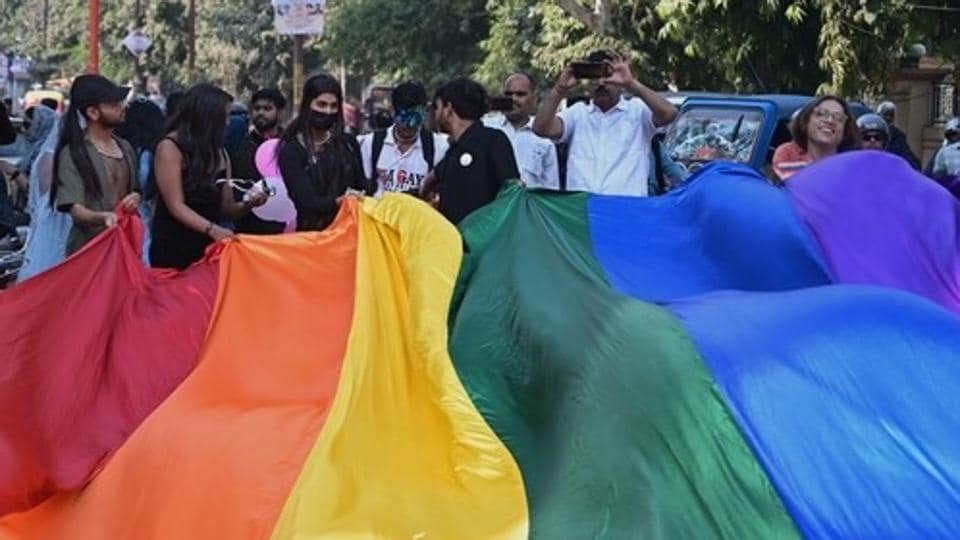
The bill violates the right to self-determine one’s gender, as well as the right to privacy granted by the Supreme Court of India in judgements passed in 2014 and 2017, and would also create divisions within the community, activists, lawyers and civil society members said at a press conference held on Monday. They also raised concerns over the lack of discussion before the bill was introduced.
Union Minister for Social Justice and Empowerment Virendra Kumar introduced the bill in the Lok Sabha on March 13, which sought to make amendments to the Transgender Persons (Protection of Rights) Act 2019.
“To begin with, the bill changes the definition of transgender people, conflating them with intersex people. It limits legal recognition only to people with the specific socio-cultural identities of Hijra, Kinnar, Aravani, or Jogti, excluding others,” said Krishanu, a transwoman and one of the speakers. She added that the bill disproportionately penalised anyone who was found to cause “grievous hurt whether by mutilation, emasculation, castration, amputation, or any surgical, chemical, or hormonal procedure with the intent of, or in the course of, compelling a person to assume, adopt, or outwardly present a transgender identity against the will or consent of such persons”. This suggested that transgender identities are imposed through coercion and influence, and failed to recognise that transition of gender was a durational process, and not a one-time surgical event.
In 2024, the Directorate General of Health Services under the Union ministry of health and family welfare released a detailed Statement of Procedure (SOP) for the treatment of persons with gender incongruence. Gender Affirmative Surgery was clearly defined as only one of the aspects of the treatment protocol.
“The bill introduces medical gatekeeping. To identify as a transgender person, you have to get a surgery done, then go to a medical board for clearance, then to the district magistrate, who can choose to have you approach the medical board again, and so on. It seems as if the government is trying to make a bill from which no one can benefit,” said lawyer and transwoman Raghavi Shukla.
The bill states that the details of a person’s surgery should be provided by the hospital to the government, which is a violation of the 2017 Justice KS Puttaswamy v. Union of India judgement of the Supreme Court that read the right to privacy as fundamental right enshrined under Article 21 of the Indian Constitution, she added.
Also Read: Awadh Queer Pride March in Lucknow | LGBTQIA+ members call for acceptance and civil rights
The bill also flagrantly violates the top court’s NALSA and others v. Union of India judgement of 2014, which formed the bedrock of the recognition of transpersons as a legal identity.
The bill betrayed a lack of awareness of the daily struggles of transgender persons, Kabir Mann, a transman and a primary school teacher said. Mann, who has a transgender identity card and certificate, made in accordance with the existing rules and regulations, said that despite possessing all the required documentation, he has been stopped from sitting for exams that would earn him higher qualifications.
“Sometimes the school simply does not allow me to give the exam due to my identity. Other times, I have to wait at the gate for an hour because the principal does not know the meaning of the word “trans”. If I am let in, people review the documents about my gender identity first and my educational qualifications second. All the while the government claims that the transgender identity cards are valid,” he said.
Activists stated that they wanted the bill to be completely withdrawn. “We are currently working on advocacy incentives with progressive members of parliament. Since the bill was introduced on Friday, many of them have been calling us to work together,” said Ritu (who only went by the first name), a transwoman who addressed the press.
The bill introduced by the social justice minister replaces the broad, inclusive definition in the 2019 act — which covered anyone whose gender identity did not match the gender assigned at birth, including trans-men, trans-women, genderqueer persons and those with intersex variations — with one rooted primarily in biological or congenital conditions and traditional socio-cultural identities.