
 E-Paper



Odisha ASHA worker is among Forbes 21 powerful women of India
People in Matilda’s village would never think of going to the hospital when they fell sick but her relentless effort brought change

 Prefer HTon Google


Had it not been for the efforts of Matilda Kullu, people in her village would still be resorting to black magic for health ailments rather than visiting the local hospital. The 45-year-old tribal ASHA worker from Odisha’s Sundargarh district has been featured in the Forbes India W-Power 2021 list along with names like banker Arundhati Bhattacharya and actress Rasika Duggal
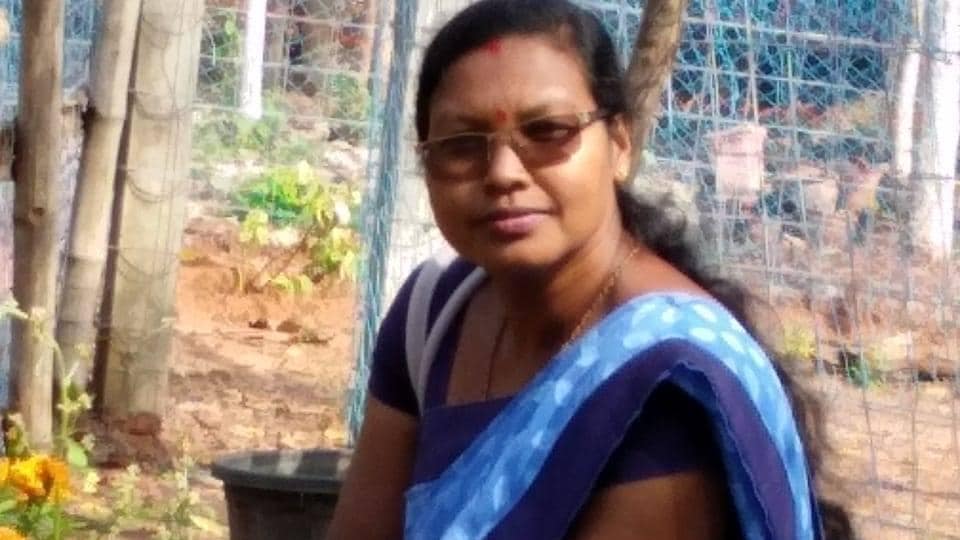
Matilda, who was appointed an Accredited Social Health Activist (ASHA) for Gargadbahal village in Baragaon tehsil of Odisha’s Sundargarh district 15 years ago did not have it easy when she started her work.
“People did not think of going to the hospital when they fell sick. When I used to advise people to go to the hospital, they used to ridicule me. I also had to bear the brunt of casteism,” she said. “It took years of work before I could make people understand the need to visit doctors instead of rushing to the local witch doctor.”
As one of the 47000-odd ASHA workers in Odisha, Matilda’s hands have always been full with her daily workload comprising door-to-door to check immunization of new-borns as well as adolescent girls, ante-natal check-up, post-natal check-up, counselling of women on birth preparedness, breastfeeding and complementary feeding, and prevention of common infections including reproductive tract infection and sexually transmitted infection.
Her day begins at 5 in the morning, as she rushes to finish her household chores - prepare lunch for the family of four, feeding the cattle - before hopping onto her cycle for door-to-door visits. When the pandemic began last year, Matilda’s schedule became more hectic as she got busy visiting 50-60 households every day to check on people suspected of having Covid symptoms.
“Every day I would get out of home and visit families looking for Covid suspects and then inform the local primary health centre. People were scared of being taken for tests as there was a lot of stigma attached to a Covid patient last year,” said Matilda.
Though her job entailed meeting people at their homes, a majority of ASHAs were not provided with personal protective equipment (PPE), or masks, gloves and sanitisers. After the first wave ebbed and vaccination started, Matilda said she had a tough time convincing villagers to get vaccinated.
“As I have been working with people in my village for a long time, they listened to me and got vaccinated,” said Matilda, who rues that despite all the hard work she puts in, the remuneration is a measly ₹4500. “During the pandemic, the state government had given a one-time incentive of ₹2000 but now that has been withdrawn and we just get ₹4500.”



