E-Paper



Onus on India after LoC ceasefire: Pakistan PM Imran Khan
On Thursday, India and Pakistan jointly announced that they agreed to strictly observe all agreements on the ceasefire along the Line of Control (LoC). India told Pakistan “talks and terror” cannot go together and said it desired normal neighbourly relations.

 Prefer HTon Google


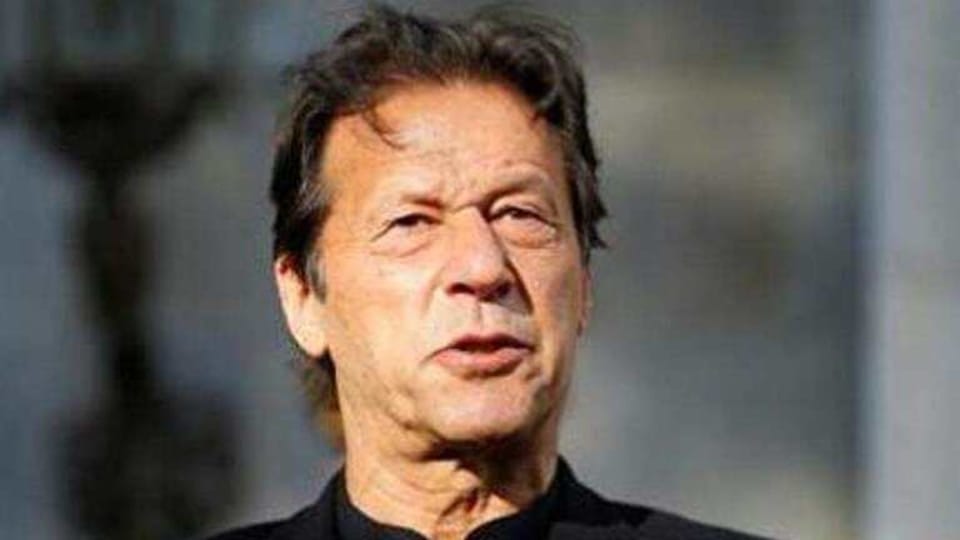
Pakistan Prime Minister Imran Khan on Saturday said the onus is on India to create an “enabling environment for further progress” in bilateral ties following Thursday’s surprise announcement about both countries recommitting themselves to the 2003 ceasefire on the Line of Control (LoC), a remark that came two days after India asked Islamabad to take demonstrable steps against terrorist organisations.
On Thursday, India and Pakistan jointly announced that they agreed to strictly observe all agreements on the ceasefire along the Line of Control (LoC). India told Pakistan “talks and terror” cannot go together and said it desired normal neighbourly relations.
In a set of tweets marking two years of Pakistan’s action after the Indian Air Force (IAF) targeted a Jaish-e-Mohammed (JeM) camp at Balakot in 2019, Khan said Pakistan was ready to move forward to resolve “all outstanding issues through dialogue”. He also said India must take steps to meet the Kashmiri people’s right to self-determination.
“I welcome restoration of the ceasefire along the LOC. The onus of creating an enabling environment for further progress rests with India,” Khan tweeted.
“India must take necessary steps to meet the long-standing demand & right of the Kashmiri people to self determination acc to UNSC resolutions,” he added.
This was Khan’s first formal reaction to the decision by the armies of India and Pakistan on February 25 to strictly adhere to the truce on the LoC, following his return from an official visit to Sri Lanka this week.
A statement issued by Pakistan’s Foreign Office to mark the same occasion said the country is committed to “peaceful coexistence and resolution of the long outstanding Jammu & Kashmir dispute in accordance with the relevant UN Security Council resolutions and the wishes of the Kashmiri people”.
The statement added that Pakistan’s government and armed forces are “united against any threat or misadventure” and will act to protect the sovereignty and territorial integrity of the country.

There was no immediate response from Indian officials to Khan’s tweets or the Foreign Office statement.
The ceasefire, which was put in place in November 2003, has frayed due to thousands of violations in the past few years.
The decision by both sides to recommit themselves to the truce was the apparent outcome of behind-the-scenes contacts between senior security officials of the two countries.
The external affairs ministry said on Thursday that the ceasefire agreement didn’t amount to a change of India’s position on key issues related to Pakistan.
“India desires normal neighbourly relations with Pakistan. We have always maintained that we are committed to addressing issues, if any, in a peaceful and bilateral manner,” ministry spokesperson Anurag Srivastava had said.
“On key issues, our position remains unchanged. I don’t need to reiterate it,” Srivastava added.
Khan also hailed the role of Pakistan’s armed forces in the air strikes that were launched on the LoC by his country on February 27, 2019, following IAF’s bombing of the JeM facility in Balakot in retaliation for the suicide attack at Pulwama that had killed 40 Indian troopers.
The air strikes triggered aerial battles between combat aircraft of the two countries and Wing Commander Abhinandan Varthaman’s IAF fighter jet was shot down in a dog fight. He was captured and briefly detained by Pakistan before Khan announced that Varthaman would be freed. “I congratulate the entire nation & salute our Armed Forces on the 2nd Anniversary of our response to India’s illegal, reckless military adventure of air strikes against Pakistan. As a proud & confident nation, we responded with determined resolve at a time & place of our choosing,” Khan tweeted.
“We also demonstrated to the world Pakistan’s responsible behaviour in the face of India’s irresponsible military brinkmanship, by returning the captured Indian pilot. We have always stood for peace & remain ready to move forward to resolve all outstanding issues through dialogue,” he said in another tweet. Khan had earlier made the rolling back of the changes in Jammu and Kashmir a condition for talks with India. His tweets were silent on this matter.