E-Paper



Orissa HC orders govt to hold meeting with Dhinkia villagers on their concerns
The Orissa high court order came after a second clash was reported during a visit by five lawyers mandated by the court to Dhinkia village over plans to set up a steel plant in Jagatsinghpur district


BHUBANESWAR: The Orissa high court on Wednesday ordered that a meeting be convened by the Jagatsinghpur district administration next month to enable villagers of Dhinkia, who clashed with the police on January 14 over a steel project, can air their grievances.
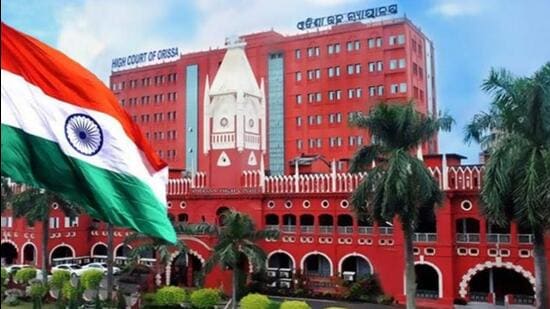
The two-judge bench led by chief justice S Murlidhar earlier sent a team of five lawyers to the village, the proposed site of 13.2 million tonnes per annum (MTPA) integrated steel project of JSW Steel in Jagatsinghpur district, on February 19 and file a report on the prevailing ground situation following the January 14 clash.
But a second group clash took place during the team’s visit. The bench on Wednesday ordered that a meeting of the residents of Dhinkia gram panchayat would be held in the village in the presence of the five lawyers and the entire proceeding video-recorded.
On February 19, a clash broke out between a group of villagers supporting the proposed JSW’s steel plant and those opposing when the team of lawyers went to the village. The supporters of the proposed JSW project reportedly thrashed Pradeep Satpathy, a priest at a local temple who was opposing the proposed steel project.
The visit of the advocates came following three petitions in the high court after the January 14 violence in Dhinkia village that left 40 persons injured. The clash happened when police were marching to demolish the betel vines within the project area of the steel plant. Following the clash, 12 people, all opponents of the steel project, were arrested; many others fled the village fearing arrest.
The high court order came amid the environment ministry’s Expert Appraisal Committee (EAC) recommending grant of environmental clearance to the JSW steel project with 96 conditions that include providing access to the fisherman for fishing and taking all other measures essential for their sustainable livelihood.
The EAC also recommended that all plant roads will have to be paved and industrial vacuum cleaners used to clean the roads regularly. The recommendation of the environmental clearance came during the meeting of EAC on Feb 10-11. The environmental clearance will be formally granted after the environment ministry’s approval.
Dhinkia village is the epicentre of protest against Sajjan Jindal-owned JSW Utkal Steel over its plans to set up an integrated steel project in Polanga, BayanalaKandha, Gobindapur, Dhinkia, Nuagaon and Jatadhara villages of Jagatsinghpur district. The project will involve setting up of 900 MW captive power plant and a 10 MTPA cement grinding unit. The iron ore for the steel plant is proposed to be pumped from the company’s proposed 30 MTPA iron-ore grinding plant in the Keonjhar district via a 312 km-long slurry pipeline. A 52 MTPA captive jetty located near the mouth of Jatadhar river mouth will also cater to the import and export requirements of the company.
Meanwhile, the Odisha chapter of People’s Union for Civil Liberties on Wednesday demanded that “all false criminal cases” registered against people opposing the plant be reviewed and all concerns raised regarding the project be addressed in an atmosphere of peace where people can express their opinions freely.
“People of Dhinkia have every right to oppose the proposed JSW project which is going to snatch away their livelihood and cause serious ecological destruction to the area. We strongly feel that dissenting voices of people need to be addressed democratically and not by criminalising it and demand that the allegations of police intimidation and excesses be investigated by a court-monitored investigation team,” said Pramodini Pradhan of PUCL.