
 E-Paper



Pahalgam terror attack: UN urges India and Pakistan to exercise ‘maximum restraint’
UN Spokesperson Stephane Dujarric said that issues between India and Pakistan should be peacefully resolved through 'meaningful mutual engagement'.

 Prefer HTon Google


The United Nations on Friday urged India and Pakistan to exercise "maximum restraint" to prevent further deterioration of the tense situation in the wake of the Pahalgam terror attack.
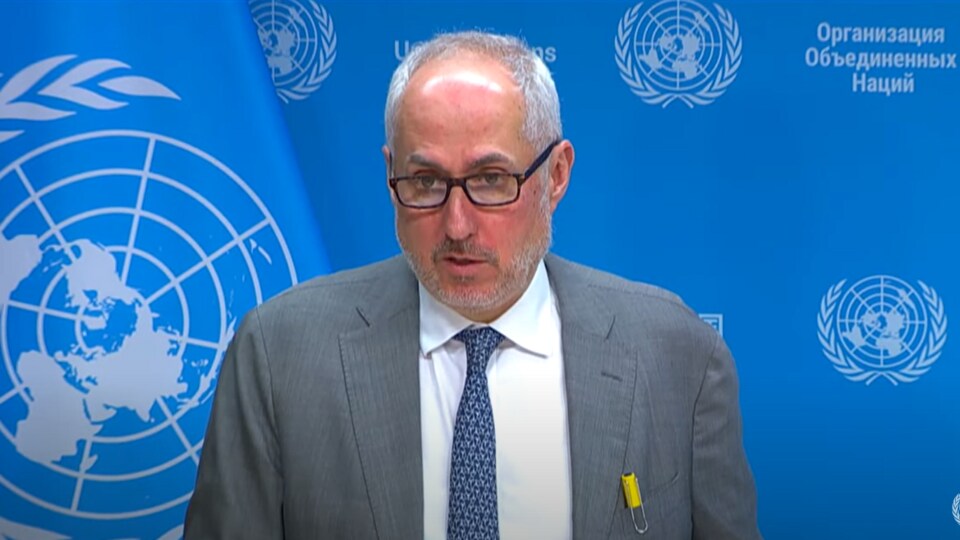
While condemning the terrorist attack in Jammu and Kashmir's Pahalgam that killed 26 people on April 22, UN Spokesperson Stephane Dujarric said that issues between India and Pakistan should be peacefully resolved through “meaningful mutual engagement”.
"We very much appeal to both the governments of Pakistan and India to exercise maximum restraint, and to ensure that the situation and the developments we've seen do not deteriorate any further," he said at a briefing.
"Any issues between Pakistan and India, we believe, can be and should be resolved peacefully through meaningful mutual engagement," he added.
Also Read | India briefs diplomats on cross-border linkages to Pahalgam terror attack
Tensions between India and Pakistan escalated over the Pahalgam terror attack that killed 26 civilians in Jammu and Kashmir. The assault is one of the deadliest terror attacks in Jammu and Kashmir since the 2019 Pulwama bombing.
Following the attack, India announced a raft of measures against Pakistan, including the suspension of the Indus Waters Treaty, the expulsion of Pakistani military attaches and the immediate shutting down of the Attari land-transit post.
Also Read | Pahalgam witness says headgear-wearing teens were among gunmen: ‘Took selfies’
New Delhi also revoked all visas issued to Pakistani nationals from April 27 and advised Indian nationals residing in Pakistan to return home.
In response to India's measures, Pakistan on Thursday announced closing its airspace to all Indian airlines and suspending trade with New Delhi, including through third countries.
Pakistan also rejected India's suspension of the Indus Waters Treaty and said any measures to stop the flow of water belonging to Pakistan under the pact will be seen as an "act of war".


