
 E-Paper



Pakistan’s Kabul focus stalls backchannel with India
The revival of the LoC ceasefire was followed by a proposal piloted by the Pakistani military establishment in March to resume limited trade relations with India, but this fell through because of strong opposition from several leaders in the civilian government.


Backchannel contacts between India and Pakistan have stalled in recent months, largely because of the Pakistani side’s growing focus on the situation in Afghanistan and pressing domestic issues, according to people familiar with developments.
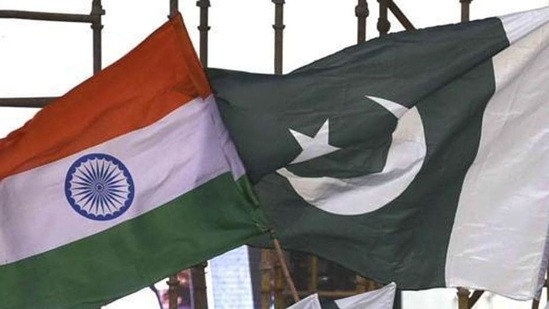
There haven’t been any substantial contacts between the two sides since they agreed to revive the 2003 ceasefire on the Line of Control from February 25 and the two sides also haven’t been able to reach common ground on the next steps that could facilitate the expansion of the backchannel contacts, the people cited above said on condition of anonymity.
Also Read: Drone spotted near Indian High Commission in Pakistan; India strongly objects
The revival of the LoC ceasefire was followed by a proposal piloted by the Pakistani military establishment in March to resume limited trade relations with India, but this fell through because of strong opposition from several leaders in the civilian government, including foreign minister Shah Mahmood Qureshi and interior minister Sheikh Rashid Ahmed.
“There was a feeling on the Pakistani side that things should be allowed to cool down for some time. There was also internal criticism within Pakistan because of a feeling in some quarters that Pakistan had agreed to recommit itself to the LoC ceasefire without any concessions from India,” said one of the people cited above.
“A lot of the Pakistan government’s bandwidth has also been consumed by the fast-changing situation in Afghanistan and a second wave of Covid-19 infections and urgent domestic issues, such as economic problems,” the person added.
The difficulty in selling the limited trade resumption package, which received the green light from Pakistan Army chief Gen Qamar Bajwa, too, was a factor in stalling of backchannel contacts, the people said.
On the Indian side, there are concerns on whether Bajwa’s successor would continue efforts to work towards a normalisation of relations, and whether there is adequate buy-in from Prime Minister Imran Khan’s civilian government.
Following an extension in service granted by the Pakistan government in January 2020, Bajwa’s term as army chief is set to end in about 17 months in November 2022.
Also Read | India to Pak: Speed up release of civilian prisoners, missing defence personnel
“It’s the classic problem of dealing with Pakistan’s military – we don’t know if the current army chief’s successor will continue this process. Gen Bajwa may be keen about this process but there is no guarantee the next general will stick to it,” said a second person.
The two sides have also been unable to find common ground on the next steps that can help them take forward the backchannel contacts, including the situation in Jammu and Kashmir, the people said.
Reports have suggested the Pakistani side suggested during the backchannel contacts that India should take steps to restore the statehood of J&K and put in place measures to maintain the current demography of the state and to protect the rights and employment opportunities of Kashmiris.
Pakistan’s civilian leadership, including Prime Minister Khan, has linked any talks with India to the restoration of J&K’s special status, which was scrapped by the Indian government in August 2019. Some elements on the Pakistani side had even hoped that India’s current standoff with China on the Line of Actual Control could lead to some movement on the Kashmir issue, the people said.
The people further said India’s recent outreach to some Afghan Taliban factions and elements was perceived as a “red flag” by Pakistan’s security establishment.
Pakistan’s civil and military leadership have said in recent weeks that they do not see a large role for India in Afghanistan as the US begins a drawdown of troops. On the other hand, India has said it is in touch with “various stakeholders” in Afghanistan to protect its legitimate security interests.
The India-Pakistan backchannel contacts gained urgency last year, the people said. Inter-Services Intelligence chief Lt Gen Faiz Hameed has had two meetings with Indian interlocutors – one with a senior security official and another with his Indian counterpart in the United Arab Emirates in January that led to revival of the ceasefire, they said.
Contrary to earlier reports, Pakistan’s National Security Adviser Moeed Yusuf is now playing a larger role in ties with the US, the people added.
Former ambassador Vishnu Prakash, who closely tracks developments in the region, said perpetual hostility between India and Pakistan “cannot and should not go on”. “We are neighbours, we may not like it but we must find a modus vivendi... keep all options open and try the dialogue route and the front and back channels, while we also have the necessary defences and counter-offensive capabilities.”
“We have to be prepared for all eventualities and the end objective is that we coexist without acrimony and are not at each other’s throat...”


