
 E-Paper



Amid panic over suspected African swine fever in Mizoram, here's everything you need to know about it
African swine fever: The 87 deaths, which happened in Mizoram's Lungsen village, have caused losses to the tune of ₹40 lakh, he said.


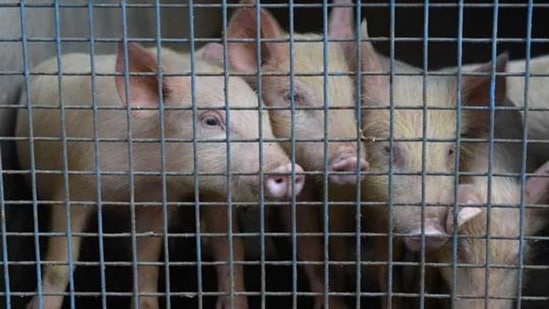
More than 80 pigs died in south Mizoram's Lunglei district over the last two weeks, triggering panic in the area that is near the Bangladesh border about the spread of African Swine Fever (ASF).
The confirmatory test for ASF is yet to be done at the National Institute of High Security Animal Diseases (NIHSAD) in Madhya Pradesh, said Lalhmingthanga, the Joint Director of the Animal Husbandry and Veterinary Department.
But the government has already sounded alert for ASF in the state and declared Lungsen village as an infected area with prohibitory orders clamped under CrPC Section 144 on April 2, he added.
What is ASF and how it spreads?
According to US Department of Agriculture (USDA), African swine fever is a highly contagious and deadly viral disease affecting both domestic and feral swine of all ages. It can spread by live or dead pigs and pork products.
Transmission can also occur via contaminated feed and objects such as shoes, clothes, vehicles, knives and other equipment. Unlike Classical Swine Fever (CSF), there is no vaccine for ASF.
The only way to stop this disease is to depopulate all affected or exposed swine herds.
What are the signs of ASF?
The USDA says that the signs of ASF include high fever, decreased appetite and weakness, red and blotchy skin or skin lesions, diarrhea and vomiting, and coughing and difficulty in breathing.
Experts have suggested on-farm biosecurity to prevent the animal disease from developing and spreading.
Can it spread to humans?
While swine flu can spread from animals to humans, swine fever does not, and therefore is not a public health threat.
ASF is found in countries around the world, particularly in sub-Saharan Africa. Last year, the infection killed many pigs in Assam.


