
 E-Paper



PM again pitches ‘one nation, one election’ system
The One Nation, One Election idea was first pitched by Modi in 2015. It is also on the agenda of his Bharatiya Janata Party.


Prime Minister Narendra Modi on Thursday, once again pitched his One Nation, One Election idea -- simultaneous parliamentary, state assembly, and local body polls -- saying this was not just a matter of debate, but a requirement for the country.
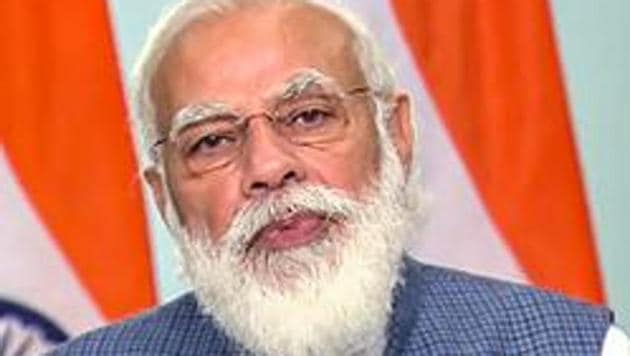
Addressing presiding officers of legislatures from across India by video link, Modi also suggested a common voters list for all elections to prevent a waste of resources. The PM maintained that simultaneous elections at every level should be held using a common voter list.
“Every few months, we see an election in some part of the country. You all know what is the impact of these polls on development. There is a need for a deeper study and discussion on the issue and I suggest that presiding officers may lead such discussions,” Modi said.
The One Nation, One Election idea was first pitched by Modi in 2015. It is also on the agenda of his Bharatiya Janata Party. The idea, which entails one election every five years for the Lok Sabha, states, even corporations, has met stiff resistance from rival parties. Last year, the Congress skipped a meeting called by the PM on the issue and the Left parties called it a “back-door way of replacing our parliamentary democracy”.
The issue has starkly divided India’s political parties. Its advocates have argued the move will help focus on governance, reduce expenditure, and help channel security forces more efficiently. Its critics, including the Congress, have alleged that the move will undermine democratic accountability, the federal structure and also pointed to its lack of feasibility within the constitutional scheme.
Congress spokesperson Abhishek Singhvi said the Prime Minister has been pushing for simultaneous elections but any such measure requires structural changes in Constitution. “It is also against the very essence of democracy. So, we think it is just a rhetoric,” he added.
Describing the presiding officers as a bridge between the public and the Constitution, Modi hit out indirectly at the Congress for imposing Emergency rule in the 1970s. The PM said that was an attempt to dilute the separation of power of the three wings of the state, but that the Constitution eventually provided a solution.
“After the emergency, the system of checks and balances kept getting stronger as the legislature, executive and judiciary moved ahead, learning from the episode,” he said.
On Constitution Day, which commemorates the adoption of the Constitution of India, the PM said the national charter had also helped India tackle the challenged posed by Covid-19 by enabling the passage of several laws to help the people. He praised parliamentarians for accepting pay cuts and working more to increase the productivity of Parliament.
The Prime Minister cautioned against a tendency of keeping projects pending, citing the example of the Sardar Sarovar dam, which was stuck for years, delaying the benefits that accrued to the people of Gujarat, Madhya Pradesh, Maharashtra and Rajasthan when it was finally constructed.


