E-Paper



PM Modi to visit Uttarakhand for aerial survey of disaster-hit areas tomorrow: Officials
Chief minister Pushkar Singh Dhami, who inspected arrangements at Jolly Grant Airport on Wednesday ahead of the Prime Minister’s arrival

 Prefer HTon Google


Dehradun: Prime Minister Narendra Modi will visit Uttarakhand on Thursday for an aerial survey of disaster-affected regions of the state and a subsequent review meeting with top officials, senior state government functionaries aware of the development said.
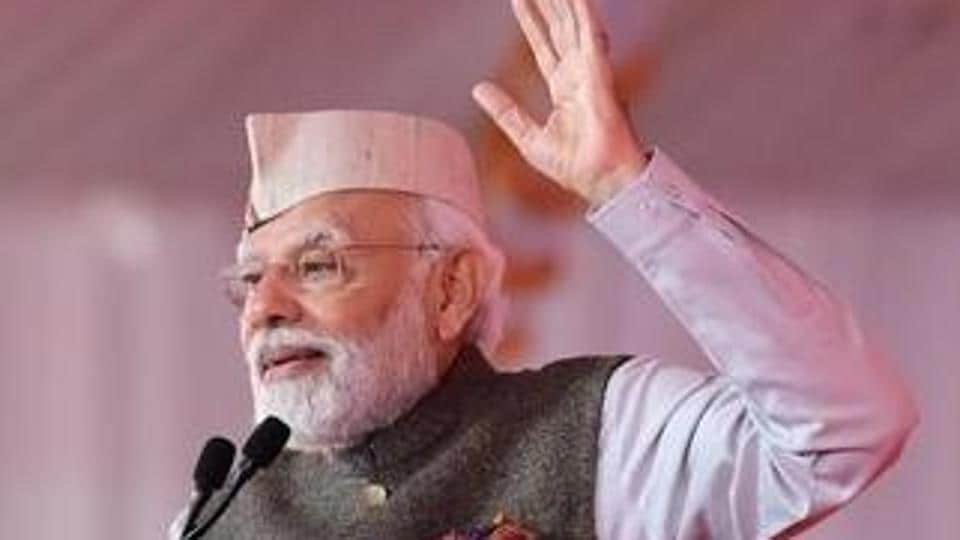
Chief minister Pushkar Singh Dhami, who inspected arrangements at Jolly Grant Airport on Wednesday ahead of the Prime Minister’s arrival, said,
“The Prime Minister has a special attachment to Uttarakhand, which is why the state has consistently received his guidance and support in difficult times. His presence will give further impetus to disaster relief and rehabilitation work.”
Meanwhile, an inter-ministerial central team (IMCT) met the chief minister in Dehradun on Wednesday.
The team, led by union joint secretary R Prasanna, has been touring disaster-hit districts since Monday. It earlier visited Uttarkashi, Rudraprayag, Pauri Garhwal, Chamoli, Bageshwar, and Nainital to assess the impact of landslides, floods, and cloudbursts triggered by this year’s intense monsoon rains.
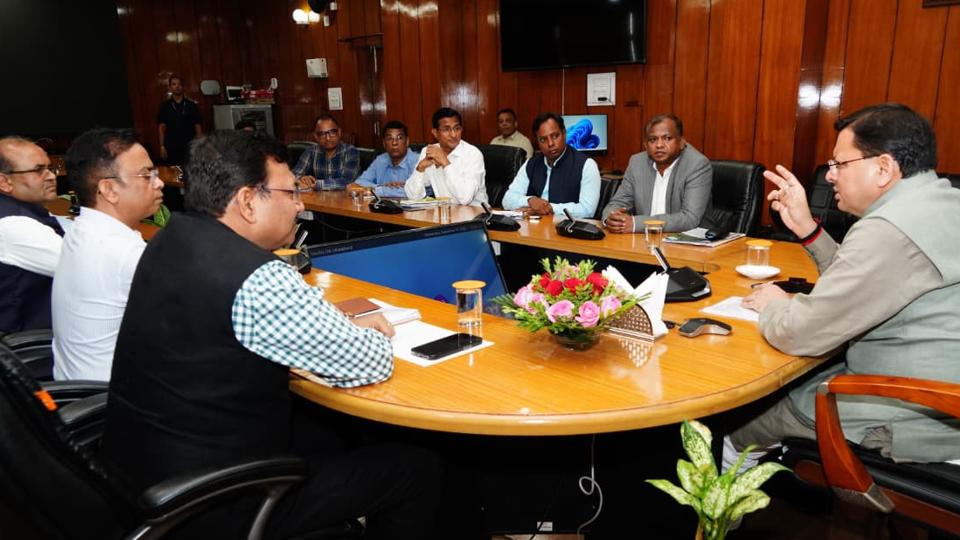
Stressing on the need for an effective long-term action plan to mitigate the impact of recurrent disasters, Dhami said at the meeting, “Every monsoon, the state grapples with landslides, flash floods, and waterlogging due to excessive rainfall. This year, excessive rains have caused extensive loss of life and property. Cloudburst and landslide incidents leave land permanently damaged, making it unsuitable for farming or construction. A national-level effort is needed to strengthen forecasting systems and reduce such risks.”
The central team appreciated the state’s decision to provide an immediate relief payment of ₹5 lakh to families who lost members or whose houses were completely destroyed, officials aware of the development said.
The officials added that the creation of a database of all pregnant women in disaster-hit areas, with district administrations maintaining constant contact to ensure maternal health and safe deliveries, was also praised by the team.
“A team member said that such steps should be replicated in other states,” an official said.
However, the delegation flagged concerns about the long-term risks posed by heavy silt deposits in rivers due to landslides and floods. They warned that rising water levels could increase the likelihood of future flooding and damage in already fragile zones, the officials added.
With the Prime Minister’s aerial survey on Thursday is expected to provide momentum to relief and rehabilitation operations, while also ensuring central support for long-term disaster management measures, the officials said.
The Uttarakhand government earlier this month sought a special economic package of ₹5,702.15 crore from the Centre to compensate for the losses caused by this year’s monsoon and to strengthen vulnerable infrastructure against future natural disasters.
In a memorandum sent to the union home ministry, state disaster management and rehabilitation secretary Vinod Kumar Suman outlined the extent of the damage and the urgent requirement for central assistance, officials aware of the development said.
The memorandum, also addressed to the additional secretary, disaster management division, ministry of home affairs, said that government departments have suffered direct losses worth ₹1,944.15 crore due to landslides, flash floods, heavy rains, and related calamities between April 1 and August 31 this year.
The public works department and rural roads sustained the maximum damage, amounting to nearly ₹1,163.84 crore, while irrigation structures suffered losses of ₹266.65 crore.