
 E-Paper



Proposed amendments to Waqf Act: New era or a brewing political storm
The concept of waqf is rooted in Islamic tradition and is seen as an act of piety for Muslims to perpetuate their charitable activities beyond their lifetime

 Prefer HTon Google


The central government’s decision to introduce a bill amending the 1995 Waqf Act in the Lok Sabha this week underlines a significant shift towards more centralised control and oversight of waqf institutions in India even as the issue has triggered a fresh debate over the religious rights of Muslims.
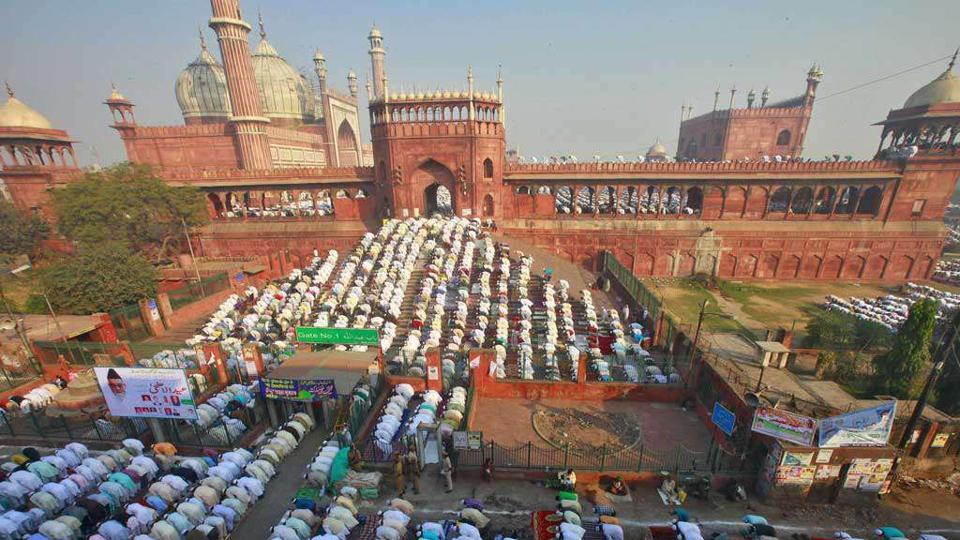
The draft legislation, proposed to be renamed the Unified Waqf Management, Empowerment, Efficiency and Development Act, 2024, is touted by the government as a comprehensive overhaul aimed at improving the administration and management of waqf properties. However, several opposition parties, including the Rashtriya Janata Dal, Samajwadi Party, and the All India Majlis-e-Ittehadul Muslimeen, have strongly criticised the proposed amendments, accusing the government of encroaching on the community’s religious rights and argued that the changes could undermine the autonomy of waqf institutions and infringe on religious freedoms.
In order to fully grasp the implications of the proposed amendments, it is crucial to understand the concept of waqf, its religious and legal context, and the existing framework governing waqf properties in India.
The religious context of waqf
The word “waqf” has its origin in the Arabic word “waqufa,” meaning to detain or to hold or tie up. Waqf, in Islamic law, refers to a charitable endowment where an individual dedicates property for religious or philanthropic purposes, with the benefits accruing to a specified group or for a public good. The concept of waqf is rooted in Islamic tradition and is seen as an act of piety for Muslims to perpetuate their charitable activities beyond their lifetime. Once designated as waqf, the property cannot be transferred through inheritance, sold or given away.
In the waqf’s structure, there are three key parties involved. The wāqif is the founder who establishes the waqf, either through a written declaration or by verbally expressing their intent to dedicate the property. The beneficiaries, referred to as mawqūf ‘alayh, are those who benefit from the waqf, and according to some legal scholars, they must be capable of owning property. A waqf can also be established for a broader purpose, such as supporting religious education or aiding the poor and needy. The third party is the mutawallī, or trustee, who is responsible for managing the waqf according to the founder’s specified conditions. The qāḍī, or Islamic judge, oversees the waqf to ensure that the administrator adheres to these conditions and that the waqf is managed properly.
The waqf can include immovable properties such as land, buildings, or mosques, as well as movable assets such as money or books. The proceeds from these properties are typically used for purposes such as maintaining mosques, funding schools, constructing hospitals or providing for the poor.
Waqf law in India and the 1995 Act
The legal framework governing waqf in India has evolved over centuries, with formal codification occurring under the British rule. However, the most significant legislative milestone in modern India came with the enactment of the Waqf Act in 1995.
Waqf properties are identified and delineated through a survey process conducted by the state government. The Act mandates that every state must appoint a survey commissioner to carry out this task, adding the survey commissioner is responsible for identifying all waqf properties in the state, whether created before or after the commencement of the Act.
Once the properties are identified, they are recorded in the state’s official gazette, and a list of these properties is maintained by the state waqf board. The list includes details such as the name of the waqif, the location and extent of the property and the purpose for which the waqf was created.
The 1995 act establishes waqf boards in every state and Union territory. These boards are statutory bodies responsible for the general administration of waqf properties within their jurisdiction. Each board consists of members appointed by the state government, including representatives of the Muslim community, Islamic scholars and government officials. The Waqf Act establishes a full-time chief executive officer of the board, who must be a Muslim by faith and be appointed by the state government from a panel of two names proposed by the board, and who must not be below the rank of deputy secretary to the state government.
The waqf boards are supposed to oversee the management of waqf properties, ensuring that they are used for the purposes specified by the waqif and in accordance with Islamic principles. The boards are also tasked with preventing encroachment on waqf properties and taking legal action against unauthorised occupants or trespassers.
According to the act, the boards are responsible for managing the day-to-day affairs of waqf properties, including leasing and renting of properties in a manner that maximises their utility for the intended beneficiaries. Under the law, the boards also have the authority to settle disputes related to waqf properties, such as conflicts over ownership, management, or the use of waqf assets.
In addition to the state waqf boards, the Waqf Act of 1995 also establishes the central waqf council, a national-level advisory body under the ministry of minority affairs. To ascertain uniformity in the administration of waqf properties across the country, the council provides guidance and support to state waqf boards. The Union minister of minority affairs serves as ex-officio chairman of the council. The council advises the central government on matters related to waqf, including the framing of policies, the implementation of waqf laws and the resolution of inter-state waqf disputes. It also monitors the performance of state waqf boards and evaluates the utilisation of waqf properties.
The 2013 amendments to the 1995 Act further strengthened the authority of the waqf board while introducing stringent measures to curb illegal encroachment of waqf properties and streamlining processes for removing encroachments.
Key changes in the proposed legislation
The bill, a copy of which has been accessed by HT, seeks to change several provisions in the 1995 act, and subsequent amendments in 2013.
The statement of objects and reasons of the bill noted: “The Waqf Act, 1995, was originally enacted to enhance the administration of Auqaf and address related matters. However, its implementation has shown that the act has not been effective in improving the administration of auqaf (plural of waqf).”
The statement further explained that following recommendations from the high-level committee chaired by justice (retired) Rajinder Sachar and insights from the joint parliamentary committee on waqf and central waqf council, comprehensive amendments were introduced in 2013 after extensive consultations with various stakeholders. “Despite these amendments, it has become clear that the act still needs further refinement to effectively address issues concerning the powers of the state waqf boards, the registration and survey of waqf properties, the removal of encroachments, and even the definition of ‘waqf’ itself,” the statement added.
Some of the most significant changes in the bill include
1. Renaming the act and redefining waqf:
The bill proposes to rename the Waqf Act as the Unified Waqf Management, Empowerment, Efficiency and Development Act, 2024, signalling a shift in focus towards more centralised control and oversight. The definition of waqf has been altered to ensure that only lawful property owners practising Islam for at least five years can create waqf through formal deeds. This change, according to the government, aims to prevent the creation of waqf by those without legal ownership and to curb the practice of “waqf by user” -- where properties were declared waqf based on long-standing community use rather than formal dedication. The proposed law also makes widow, divorced women and orphans as beneficiaries of the income from waqf.
2. Survey and registration of waqf properties:
The role of surveying waqf properties, handled by survey commissioners under the 1995 act, is now to be entrusted to district collectors or officers of equivalent rank. The position of survey commissioners has been done away with under the proposed law. This change is intended to align the survey process with state revenue laws and enhance the accuracy and legitimacy of waqf property records. Additionally, the bill mandates the registration of all waqf properties through a central portal, creating a comprehensive national database to improve transparency and control over waqf assets. All applications for the registration of waqf have to be made to the waqf boards on the portal. The bill further mandates uploading all information about waqf properties on the portal within six months of the enforcement of the new law.
3. Inclusion of non-Muslims and broader representation:
One of the most contentious aspects of the bill is the proposed inclusion of non-Muslims in the central waqf council, state waqf boards and waqf tribunals. The composition of these bodies has been proposed to become “more broad-based”, with representation of Shia, Sunni, Bohra, Agakhani, and other Muslim communities, along with non-Muslims. As per the proposed law, a member of parliament and a member of state legislature to be appointed in the state waqf board can also be non-Muslims, apart from two other members with professional experience in business management, social work, finance or revenue, agriculture and development activities. The proposed legislation also mandates that two members of the central waqf council as well as waqf boards will be women (a provision also present in the 1995 act), besides making it also compulsory to appoint two non-Muslims as the bodies’ members. It also adds that the chief executive officer of the board does not have to be Muslim. The composition of waqf tribunals has also been altered by making it a two-member body from a three-member body under the 1995 act. The proposed law omits the requirement of having a person with knowledge of Muslim law and jurisprudence as the third member of the tribunal. The tribunal will now comprise a district judge and an officer equivalent in the rank of joint secretary to the state government. It has been clarified that the tribunals set up under the 1995 act can continue until the expiry of their present term. Under the proposed law, the tribunals must decide a dispute within six months, extendable by another six months.
4. Stricter financial oversight and governance
The bill introduces stricter provisions for the audit and governance of waqf accounts, including the power for the central government to order audits by the Comptroller and Auditor General (CAG) at any time. The waqf boards must audit their accounts annually and the auditors have to be picked from a panel of auditors prepared by the state governments. The annual contribution payable to the waqf board by mutawallis (waqf managers) has been reduced from 7% to 5% of net income, but the responsibilities and liabilities of mutawallis are set to increase, with new penalties for failure to maintain proper accounts.
5. Legal provisions and jurisdictional changes
The bill significantly alters the legal landscape concerning waqf disputes. It removes the finality of decisions made by waqf tribunals, allowing aggrieved parties to appeal directly to the high court. This change is aimed at ensuring judicial oversight and preventing potential abuses of power by waqf boards or tribunals. Additionally, the bill proposes to omit several sections that previously granted waqf boards the authority to unilaterally declare properties as waqf, potentially reducing the scope for arbitrary decisions. The proposed legislation makes it clear that the decision of district collectors in these matters shall be final.
Political implications and the way forward
The proposed amendments are likely to spark a political firestorm, particularly among Muslim communities and political parties that view the changes as an infringement on religious rights. The inclusion of non-Muslims in waqf governance, in particular, could be seen by many as a challenge to the autonomy of Muslim religious institutions. Furthermore, the centralisation of waqf property management and the increased role of government-appointed officials in waqf matters are likely to be perceived as steps towards greater State control over religious endowments.
Opponents of the bill argue that any alteration to the waqf law may undermine the traditional independence of waqf institutions and could lead to the erosion of community trust in these bodies. On the other hand, supporters of the bill maintain that the amendments in the law are necessary to address longstanding issues of mismanagement, corruption and encroachment on waqf properties. They also argue that changes will bring greater transparency, accountability and efficiency to the administration of waqf assets, ultimately benefiting the Muslim community and ensuring better use of waqf resources for social welfare purposes.
As the bill is set to move through Parliament, it will undoubtedly face intense scrutiny and debate. The government ought to carefully navigate the concerns of various stakeholders, balancing the need for reform with the preservation of religious rights and community autonomy. The way forward will require a delicate balancing act, ensuring that the proposed legislation achieves its stated objectives without alienating the very communities it is intended to serve.



