
 E-Paper



Proposed hydrocarbon exploration in Gulf of Mannar raises concerns
The region is part of the Gulf of Mannar Biosphere Reserve, home to rare and endangered species such as dugongs, different turtles, and marine mammals

 Prefer HTon Google


With the ministry of petroleum and natural gas releasing a tender for hydrocarbon exploration in a deep-sea area of 9,990.96 sqkm in the marine biodiversity-rich Gulf of Mannar, which shares borders with the southern coastal districts of Tamil Nadu, experts raise concerns over its impact on marine life.
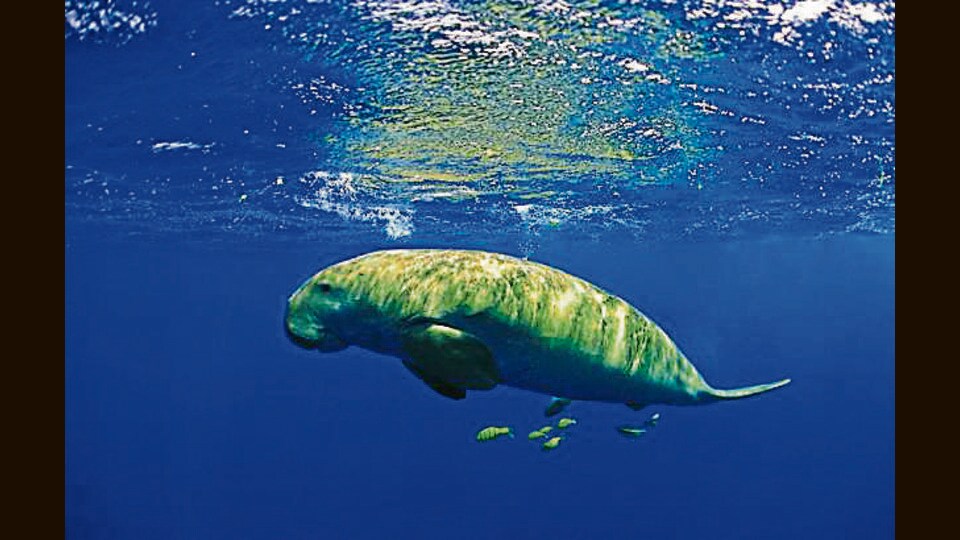
The region, located close to the international maritime boundary between India and Sri Lanka, is part of the Gulf of Mannar Biosphere Reserve, home to rare and endangered species such as dugongs, different turtles, and marine mammals. Consequently, environmentalists in the state have raised serious concerns over the potential impact of oil and gas exploration on marine life.
Fishermen from Nagapattinam, Thoothukudi, Ramanathapuram, Pudukottai, Tirunelveli and Kanyakumari, who are already facing difficulties due to the interference of the Sri Lankan navy in their fishing activities — often citing allegations of poaching by crossing the international border — have also voiced strong opposition to the oil exploration project. They argued that it will harm their livelihoods and threaten their survival.
Major political parties in the state, including the ruling DMK and the opposition AIADMK, have publicly declared that they do not support a project that can negatively impact the state’s marine resources and environment apart from creating a huge livelihood crisis.
Previous attempts by the Union ministry to explore hydrocarbons in the Cauvery Delta districts — such as Thanjavur, Nagapattinam, Thiruvarur, Thiruchirappalli, Perambalur, Pudukottai and Cuddalore — as well as in the Wadge Bank oceanic area south of Kanyakumari — have been halted due to significant opposition from political parties, fishermen, and farmers’ organisations.
According to sources in the ministry, this latest tender is part of the ministry’s 10th round of the Open Acreage Licensing Policy, which invites companies to submit bids for exploration rights. This round encompasses 25 offshore areas across the country, totalling 191,986 sqkm of marine space. It is the largest acreage offered in a single bid round under the Hydrocarbon Exploration and Licensing Policy regime. Companies can submit applications for their preferred sites till July 31.
Sources have confirmed that the ministry identified potential hydrocarbon reserves in the deep-sea areas in the Gulf of Mannar, particularly around Ramanathapuram and Thoothukudi districts. Meanwhile, environmentalists and fishermen’s unions in the region have raised alarms regarding the effects of oil and gas exploration on marine life and local fishing activities.
Conservation activist SP Udayakumar emphasised that the fisheries in the Gulf of Mannar are vital for the survival of coastal communities in India and Sri Lanka. “These communities depend on the rich marine resources, including fish, for livelihood and food. The drilling for oil and gas in this area can significantly reduce these resources and lead to severe economic consequences,” the activist added.
AP Lipton, a retired principal scientist and head of the Marine Biotechnology Division at the Central Marine Fisheries Research Institute (CMFRI), warned that allowing drilling in the Gulf of Mannar will worsen our dependency on harmful fuels and contribute to climate change. It will further endanger marine ecosystems through rising sea levels, ocean acidification, and other climate-related impacts. “The ecosystem here is rich in coral reefs and seagrass, which support various marine organisms. The push for hydrocarbon exploration can result in irreversible environmental damage and threaten the livelihoods of local communities,” he added.
Satheesh Lakshmanan from Poovulagin Nanbargal, a non-governmental organisation in Chennai focused on environmental issues, expressed concerns that the blast sounds from these explorations, necessary for mapping oil and gas reserves, can disturb marine species.Furthermore, he pointed out that chemical waste released during oil and gas extraction could severely diminish fish populations, potentially leading to a decline in marine life through migration or death.
Udayakumar said that the impact of exploration might vary depending on its proximity to the biosphere reserve.
In addition to Mannar, the government has included four deep-sea blocks near the Andaman and Nicobar Islands in the tender. These areas, covering 47,057.73 sqkm, were previously designated as “no-go zones” for oil and gas exploration due to their environmental sensitivity.
Given that the region supports fragile ecosystems and indigenous communities, there are substantial concerns about the potential ecological damage if these areas are opened up for exploration.
TTV Dhinakaran, founder of the Amma Makkal Munnetra Kazhagam (AMMK), which forms part of the BJP-led NDA, has called on the Centre to abandon the proposed bidding for gas exploration, arguing that it will harm the fishing economy and the livelihoods of fishermen. He cited marine experts who contend that the proposed project will severely impact various faunal species and decline fish populations, ultimately affecting the fishing economy.
“Fishermen are dissatisfied with the notification for the bidding,” he said, demanding the Centre rescind the proposed project.
Fishermen organisations have also expressed dissatisfaction with the notification regarding the bidding process. J Jesu Raja, president of the All India Mechanised Boat Fishermen Association, said, “The Centre should rescind the proposed project and withdraw the notification for the auction.”
Experts like Lipton emphasise that oil and natural gas drilling inherently carry environmental risks, including oil spills, habitat destruction and pollution. He said they highlight the need to consider the sensitive nature of the Gulf of Mannar’s ecosystem before proceeding with any drilling activities.
This area is home to a rich variety of marine life, including numerous fish species, corals, and other marine organisms. The fisheries of sharks and carangids are especially important, as they support the livelihoods of traditional fish workers in the region. Furthermore, the Gulf of Mannar is a crucial breeding ground, fostering marine biodiversity that sustains local fisheries and the broader marine food web.


