E-Paper



Ramlila at UP school ground gets SC nod, but just for this year
The Supreme Court allows this year's Ramlila festivities in a UP school but mandates a new venue for future events to protect students' rights.


The Supreme Court on Thursday put on hold an Allahabad high court order that had stopped a Ramlila event at a government school in Uttar Pradesh’s Firozabad district, allowing the festivities to continue this year but making it clear that the venue will have to shift to another site from next year.
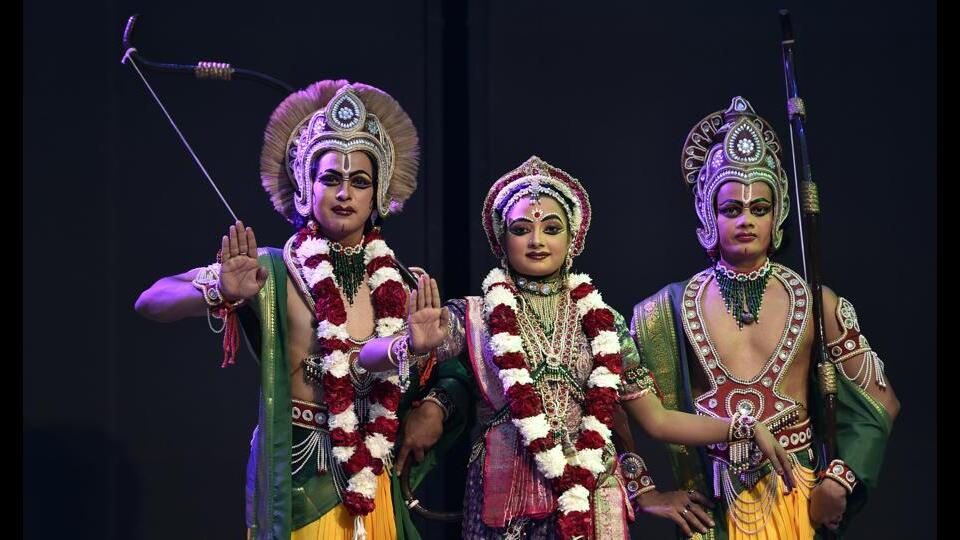
A bench of justices Surya Kant, Ujjal Bhuyan and N Kotiswar Singh noted that the Ramlila had been organised on the same school ground for nearly a century and that the high court’s intervention came only after the 2025 festivities had already begun on September 14.
“Having regard to the fact that the festivities have already begun, the interim order of the high court is stayed and the festivities is allowed to continue subject to the condition that no inconvenience will be caused to the students and they can freely play,” said the bench, partly allowing the plea by coordination committee of Shree Nagar Ramlila Mahotsav.
At the same time, the court underlined that its indulgence was only for this year due to peculiar circumstances and asked the Allahabad high court to impress upon the district administration to identify a suitable alternative site by next year.
“We do not approve use of school playgrounds for any religious or social activities,” Justice Kant told counsel, stressing that the children’s right to use the ground must be safeguarded.
During the hearing, the bench also questioned the petitioner, Pradeep Singh Rana, for approaching the high court belatedly, after the Ramlila celebrations had already commenced.
“If this Ramlila had been happening for the last 100 years, why did you choose to go to court now, just after the festivities began?…You have yourself said in your petition that it has been happening for several years but you did not approach the authorities earlier for making an alternative arrangement,” the bench observed.
The bench also asked why the grievance was not raised by students or their parents, given that the petition cited use of the playground between 7pm and 10pm as a hindrance to recreational activities. One of the concerns placed before the court was that the writ petitioner had not impleaded the organising committee, thereby obtaining the high court’s order “behind their back.”
Disposing of the petitions, the top court stayed the high court’s interim order and permitted this year’s festivities, subject to the condition that students’ access to the ground is not blocked. It requested the high court to direct the district administration to hold consultations with stakeholders and identify a suitable venue so that the playground is restored for exclusive use of the schoolchildren from next year. The matter before the Allahabad high court is listed on November 4.
The case has revived a larger constitutional question of whether State-owned premises such as school grounds or public parks can be diverted for religious functions. On Wednesday, the Supreme Court had agreed to urgently hear the organisers’ plea against the Allahabad high court’s September 22 order, which found the use of the school ground for Ramlila to be “ex facie illegal.”
Seven years ago, in July 2018, a two-judge bench in the top court had referred a similar issue to a constitution bench in Jyoti Jagran Mandal Vs NDMC, concerning permission for a Mata-ki-Chowki in a Delhi’s public park. That reference highlighted the need to strike a balance between the fundamental right to education under Article 21A and the freedom of religion under Article 25.
On Thursday, Justice Kant’s bench steered clear of the constitutional issue but reiterated that school grounds ought not to be used for religious or social activities, signalling that the final word on this broader question may eventually rest with the constitution bench.