E-Paper



Ranveer Allahbadia seeks SC relief amid multiple FIRs for obscene remarks
Senior advocate Abhinav Chandrachud, representing Allahbadia, mentioned the matter before Chief Justice of India (CJI) Sanjiv Khanna, requesting an urgent hearing

 Prefer HTon Google


Ranveer Allahbadia, a podcaster and founder of the popular YouTube channel Beer Biceps, approached the Supreme Court on Friday seeking the consolidation of multiple first information reports (FIRs) filed against him over allegedly obscene remarks made during his guest appearance on the YouTube show India’s Got Latent.
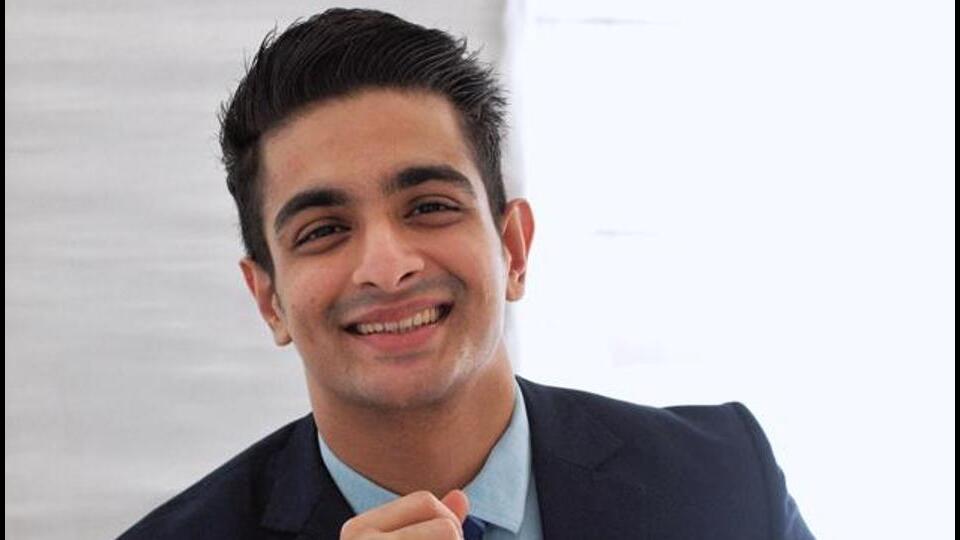
Senior advocate Abhinav Chandrachud, representing Allahbadia, mentioned the matter before Chief Justice of India (CJI) Sanjiv Khanna, requesting an urgent hearing. Chandrachud emphasised that the plea had been filed under Article 32 of the Constitution.
CJI Khanna noted that a hearing date had already been scheduled. When Chandrachud expressed concerns about a possible arrest by the Assam Police, CJI Khanna remained non-committal, reiterating that he does not permit oral mentioning. In the petition, Allahbadia has requested protection from arrest.
India’s Got Latent host and comedian Samay Raina is also under investigation. At least two FIRs have been registered against Allahbadia and Raina — one in Assam and another in Mumbai. The Mumbai Police have summoned them for questioning, and a team visited Allahbadia’s residence following the controversy over his remarks.
On Thursday, a complaint was filed against Allahbadia, social media influencer Apoorva Makhija, comedian Samay Raina, and the organisers of India’s Got Latent.
Assam chief minister Himanta Biswa Sarma on February 11 said the Guwahati Police have registered an FIR against YouTubers and social influencers Ashish Chanchlani, Jaspreet Singh, Apoorva Makhija, Allahbadia Raina, and others for promoting obscenity and engaging in sexually explicit and vulgar discussions on India’s Got Latent. “The Guwahati Crime Branch has registered the case under Cyber PS case no. 03/2025, invoking Sections 79, 95, 294, and 296 of the Bharatiya Nyaya Sanhita (BNS), 2023, along with Section 67 of the IT Act, 2000; Sections 4 and 7 of the Cinematograph Act, 1952; and Sections 4 and 6 of the Indecent Representation of Women (Prohibition) Act, 1986. Investigation is currently underway,” he said in a post on X.