
 E-Paper



Recent setbacks should not affect relations with India: China
The differences between India and China over the disputed boundary in eastern Ladakh and the “recent setbacks” in ties should not impact the overall Sino-Indian relationship, Chinese foreign minister Wang Yi said on Monday.

 Prefer HTon Google


The differences between India and China over the disputed boundary in eastern Ladakh and the “recent setbacks” in ties should not impact the overall Sino-Indian relationship, Chinese foreign minister Wang Yi said on Monday, claiming that several forces were trying to destabilise relations between the two countries
However, he did not give any indication on the way forward to resolve the friction along the Line of Actual Control.
Ties between the two nations have dipped to their lowest in decades following a border clash in eastern Ladakh’s Galwan valley in June 2020, which left 20 Indian and four Chinese soldiers dead. Several rounds of diplomatic and military talks have failed to resolve the tension, or lead to a complete disengagement of troops. Thousands of soldiers and heavy weaponry have been deployed on both sides of the de-facto border.
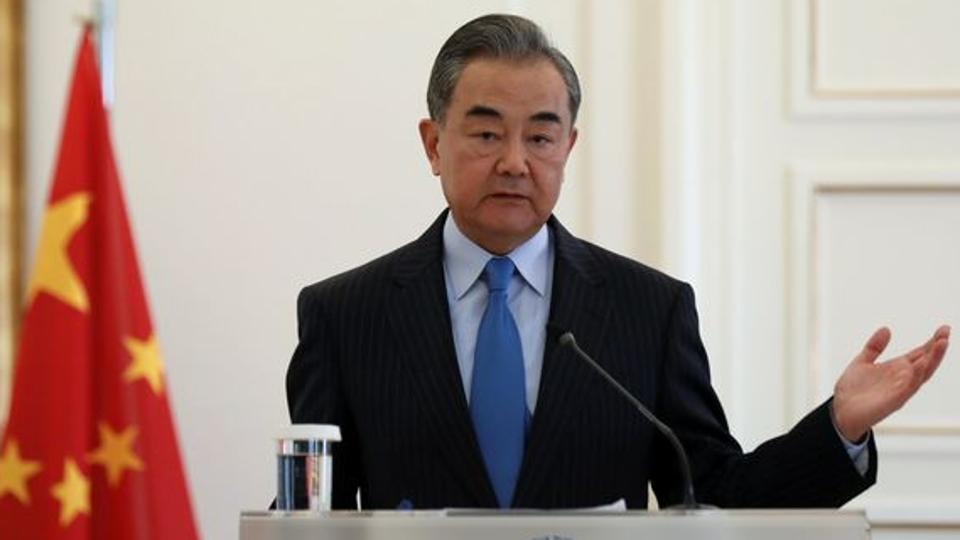
Addressing his annual press conference on China’s foreign policy on the sidelines of the ongoing session of the National People’s Congress (NPC), Wang said, “China, India relations have encountered some setbacks in recent years which don’t serve the fundamental interests of two countries and the two peoples.”
Wang did not give a timeline for the disengagement of troops on the Chinese side of the border. He called for managing boundary differences through consultation, actively seeking a “fair and equitable” settlement.
Without naming anyone, Wang said that “some forces” have always sought to stoke tensions between China and India. “Their attempts have put more and more thoughtful people in reflection and on alert. More people have come to realise that for China and India, both major countries with a population of over a billion, only by staying independent can we firmly grasp our own destiny and realise our goals of development and rejuvenation,” the diplomat said.
Wang said China hopes that India will work with them to “…uphold the strategic consensus that our two countries pose no threat, offer development opportunities to each other and continue to build mutual trust”.
The two countries, Wang said, should “…avoid misunderstanding and miscalculation so that we will be partners for mutual success instead of adversaries of mutual attrition.”
“We must make sure that our relationship moves forward on the right track, brings more benefits to our peoples and make greater contributions to (the) region and the world,” he said.
In February, external affairs minister S Jaishankar had said that India’s relationship with China was going through a “very difficult phase” after Beijing violated agreements that were signed not to bring military forces to the border.
New Delhi has repeatedly told Beijing that progress in the disengagement process in eastern Ladakh was essential for the restoration of peace and tranquillity and the basis for the development of overall bilateral ties. In fact, during his meeting with Wang in Tajikistan in September, Jaishankar emphasised that the two sides should work towards early resolution of the remaining issues along the LAC while fully abiding by bilateral agreements.
“We are going through a particularly bad patch in our relationship because they (China) have taken a set of actions in violation of agreements for which they still don’t have a credible explanation and that indicates some rethink about where they want to take our relationship, but that’s for them to answer,” Jaishankar had said at the Bloomberg New Economic Forum in Singapore in November.
Talks between the two countries are continuing.
The 14th round of meeting between corps commanders was held on January 12, during which the two sides agreed to maintain dialogue through military and diplomatic channels to work out a “mutually acceptable resolution” of the remaining issues of the standoff at eastern Ladakh.
China had described as “positive” and “constructive” the last round of military talks and said Beijing will work closely with New Delhi to “properly handle” the border issue.


