E-Paper



‘Reverse zoonosis’: ICMR to launch study into human-to-cattle TB infections
Researchers screened 167 cattle with active symptoms during the study that was conducted from 2015-2019, of which 21 tested positive for TB.

 Prefer HTon Google


The Indian Council of Medical Research (ICMR) is planning to launch an extensive study to check the prevalence of bovine tuberculosis (TB) in household cattle across the country after it found evidence of human-to-cattle (reverse zoonosis) TB transmission in farm animals in southern India — an alarming development, which could potentially adversely impact India’s goal of eliminating TB by 2025, as it poses a risk of cross infection.
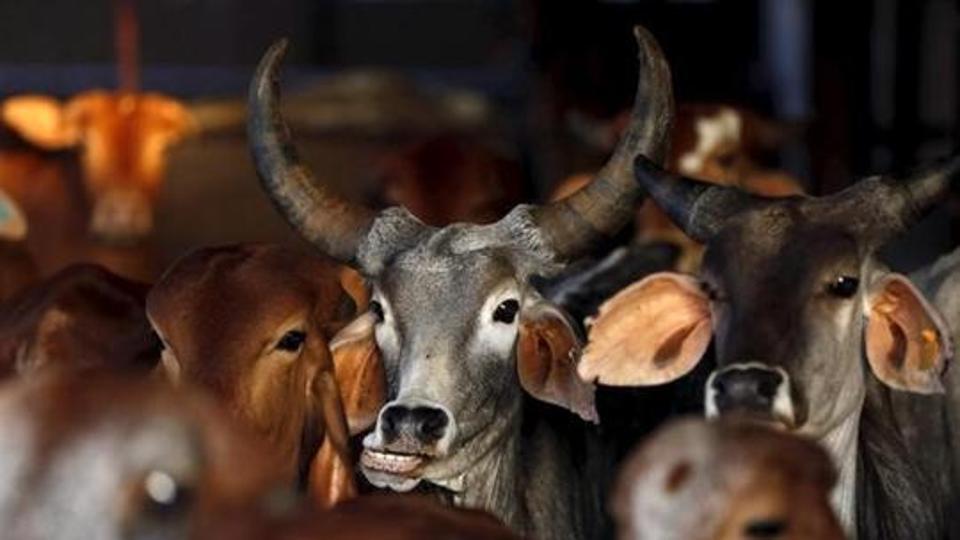
ICMR’s Chennai-based National Institute for Research in Tuberculosis (NIRT) submitted the research proposal to Union ministry of health and family welfare in February this year to assess the magnitude of the spread.
To screen animals on a large scale for the study, the institute has also sought funding from the National Institutes of Health in the United States.
“This is the first time we have seen TB strains in cattle that are usually found in humans, such as mycobacterium tuberculosis. Their handlers were also tested and the same TB strain was found in them. On the face of it, there is strong evidence of human-to-animal transmission as these strains are not usually found in animals. But we need to conduct a larger study to understand the magnitude of the problem as these samples were lifted from four farms in Tamil Nadu...now we need to screen household animals to see if the disease is also found in that subset, and at different sites across the country, to get a pan-India picture,” said Dr P Kannan, senior scientist at NIRT who studies zoonotic diseases.
Also Read:An all-hands-on-deck approach to fight TB in India
The researchers screened 167 cattle with active symptoms during the study that was conducted from 2015-2019, of which 21 came positive for TB in intradermal tests.
Mycobacterium orygis, another TB strain, was found in two black bucks and one spotted deer in Guindy National Park in Tamil Nadu.
Four animals died during the course of the study and Kannan’s team conducted a post-mortem that found TB lesions in their critical organs such as lungs, liver, udder, spleen, etc.
The findings of the study have been published in the medical journal Nature.
“… M. tuberculosis isolated from cattle and a handler had an identical pattern, suggesting transmission between them…,” reads the paper.
“Numerous lines of evidence confirmed that infection was due to M. tuberculosis rather than M. bovis (a common strain in animals), including whole genome sequence data that unequivocally placed cattle-associated isolates within a lineage, the most common cause of human tuberculosis in southern India.”
The researchers, however, have not yet been able to determine how the transmission happened.
“It will be interesting to know what genetic changes must have happened in the bacterium for it to jump to animals from humans. We also need to know the intensity of transmission and look for other critical answers. The study that’s being planned will keep these questions in mind. However, the way things stand at the moment, there is no need to panic,” said Dr Uma Devi, head of immunology department at NIRT.
The institute was first approached by Madras Veterinary College with suspected TB samples in 2015. After advanced testing, the samples returned positive.
Kannan also said that further study is required as there is no such treatment currently available for such animals.
“The research needs to be carried to open pathways for not only developing treatment of TB, but also bovine TB vaccine, as bovine TB will need control because it could be the next problem. It at least has the potential,” he said.