E-Paper



Row after Assam plans to give certificates to six minority communities
State health minister Keshab Mahanta said the “minority certificates” would be issued to Muslims, Christians, Sikhs, Buddhists, Jains and Parsis residing in the state.


The Assam cabinet on Sunday decided to provide certificates to six minority communities in the state, adding that the move will help them secure benefits of various schemes meant for minorities. The Opposition in the state, however, dubbed the move as the ruling Bharatiya Janata Party’s “divisive agenda”.
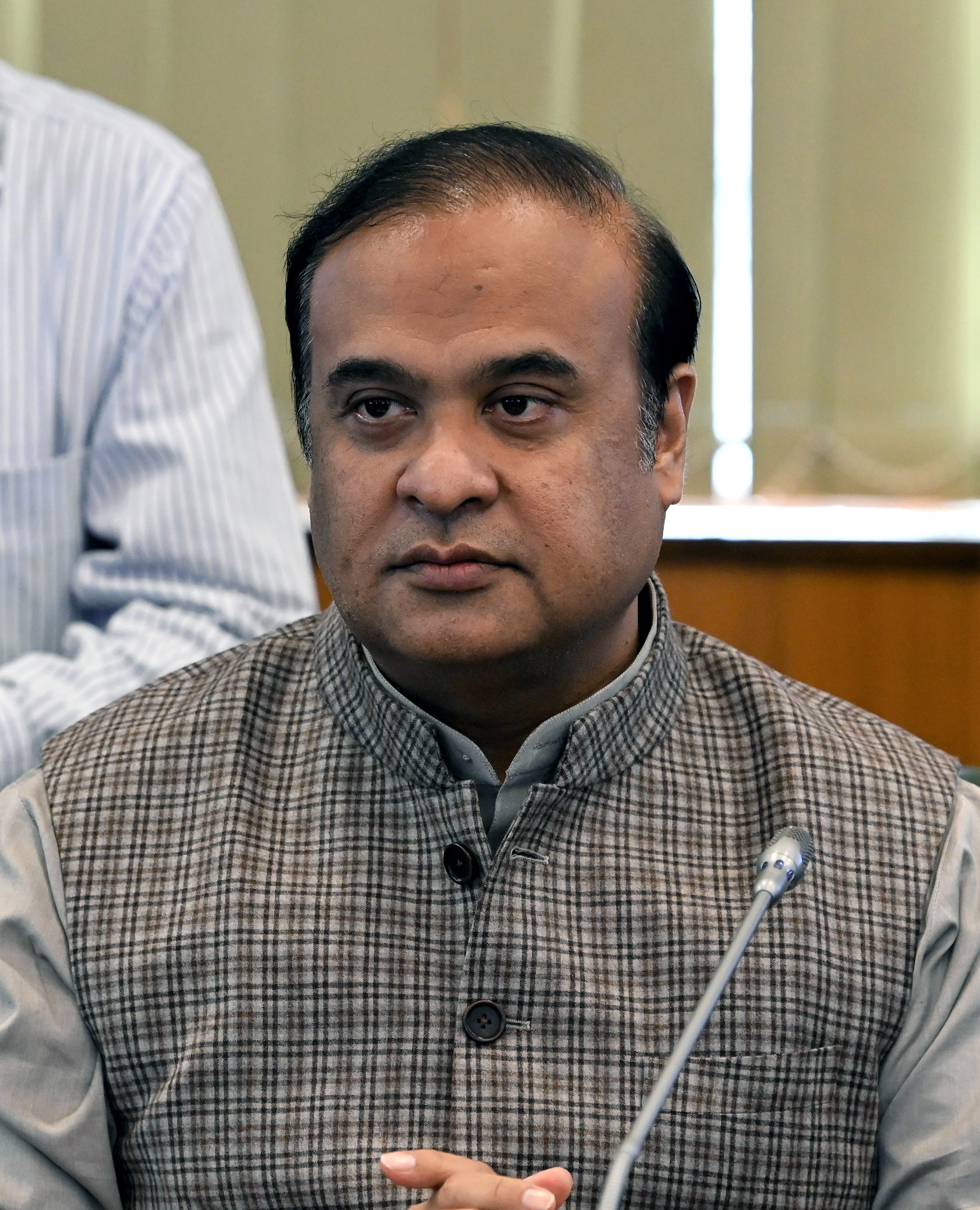
State health minister Keshab Mahanta said the “minority certificates” would be issued to Muslims, Christians, Sikhs, Buddhists, Jains and Parsis residing in the state. An official said that modalities of how the certificates would be provided are being discussed.
“This is the first time such a decision is being taken. We have certificates given to scheduled tribes, scheduled castes and other backward castes, but no such certificate was given till date to minorities, which could help identify them,” Mahanta said in a briefing after the cabinet decision.
“We have a separate board for development of minorities and various schemes meant for them. But there was no way of identifying who’s a minority? Now they will have the certificates and will be able to avail benefits of government schemes,” he added.
As per the 2011 Census, Hindus make up 61.47% of Assam’s population, Muslims 34.22%, Christians 3.74%, Sikhs 0.07%, Buddhists 0.18% and Jains 0.08%. According to the Assam Minorities Development Board, there are 16 million people belonging to the six communities in the state at present.
“This is a historic development taken by the government of Himanta Biswa Sarma. We had suggested that such a move was required so that minorities in Assam could get benefits which are meant for them,” said Habib Mohammed Chowdhury, chairman of the Assam Minorities Development Board.
“Lots of minority students were not being able to get admissions in some educational institutions or get jobs because they didn’t have certificates to prove their minority status. Now that will not happen. This move doesn’t have anything to do with how the Constitution describes minorities and shouldn’t be viewed as part of some political agenda,” he added.
Opposition parties and minority institutions, however, said that since the Constitution already mentions which communities in India deserve the minority status, the move was not required and that the ruling BJP in Assam could have a political agenda behind it.
“This will further the BJP’s divisive agenda. It will create division among various minority communities and help further the ruling party’s plans of creating more cracks in society,” Assam Congress president Bhupen Kumar Borah said.
Md Aminul Islam, organising secretary of All India United Democratic Front (AIUDF), said there was no need for the state to provide separate identity documents to minorities and suspected the ruling BJP could have a “divisive agenda” behind the decision.
“We don’t know why this move was necessitated. At first glance, it appears to be a move to classify various groups of minorities. The Constitution has already declared who are minorities in India. Let’s wait and see how these cards are issued and the real motive behind this decision,” said Ainuddin Ahmed, adviser, All Assam Minority Students Union (AAMSU).