
 E-Paper


Follow the latest breaking news, major developments and agenda-setting stories from India and around the world with the newsdesk at Hindustan Times. Operating round the clock, the desk brings together experienced editors, reporters and correspondents to deliver fast, accurate and contextual reporting across subjects that influence public policy, governance, business, society and international affairs. The HT News Desk covers politics, elections, government policies, the economy, business and markets, science and technology, the environment, law and order, infrastructure, education, climate issues and geopolitics, while closely tracking developments across states, institutions and global capitals. The team also leads coverage of major breaking news events, policy announcements, court proceedings, natural disasters, public emergencies and significant international developments. Reports published by the newsdesk are based on information gathered from reporters on the ground, official statements, government agencies, court records, regulatory filings, recognised institutions and other authoritative sources. Stories undergo editorial scrutiny and verification processes to ensure accuracy, fairness and relevance, and are updated as events evolve and additional information becomes available. Whether covering a key political decision in New Delhi, an economic policy shift affecting millions, a landmark court ruling or a major global event, the HT News Desk aims to provide readers with reliable, fact-based journalism that delivers not only the latest developments but also the context and analysis needed to understand their wider implications.
Sabarimala priest favours delay, temple body says will open on June 14
The Sabarimala tantri (supreme priest) said he has sent a letter to the TDB commissioner and spoke to TDB chairman N Vasu for postponing the opening of the hill shrine. The TDB, however, claims that it has received no communication in this matter.


The head priest of the Sabarimala temple favours a delay in reopening the hill shrine due to rising coronavirus cases, while the Travancore Devaswom Board, the government body that helps run the shrine, on Wednesday said it will go ahead with its initial plan to open on June 14.
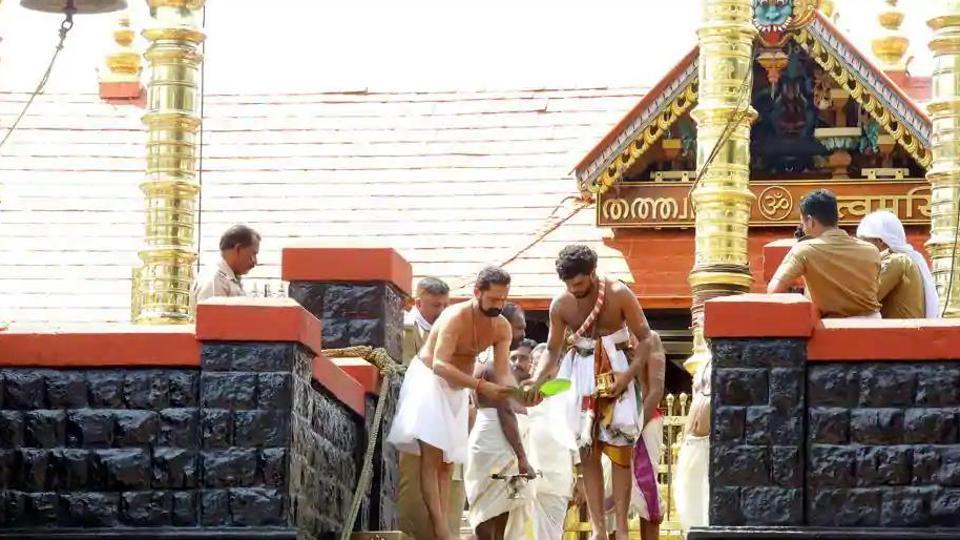
“We made a decision after talking to the tantri family. As of now we will go ahead with our plan to open it. I haven’t got any communication from the tantri in this regard. We have already started registration for the virtual queue,” said TDB president N Vasu. The TDB runs Sabarimala and other major temples in south and central Kerala.
Kandararu Mohanararu, the Sabarimala tantri (supreme priest), said he has sent a letter to the TDB commissioner and spoke to TDB chairman N Vasu regarding the opening of the hill shrine.
The TDB, however, claims that it has received no communication in this matter. The tantri is usually considered the final word on all ritualistic matters.
During the 2018 violence over the entry of women in the temple following the Supreme Court verdict, both the TDB and the tantri had locked horns with the latter threatening to close down the temple.
Citing a sharp increase in caseload in the neighbouring states, the priest said it is better to postpone the opening of the temple.“Many pilgrims throng the temple from neighbouring states as well. It will be difficult to keep a tab on all devotees. So the festival and other functions can be postponed now,” he said, adding allowing devotees at this juncture will pose a serious threat.
His demand came in the wake of many Hindu organisations questioning the government’s decision to open shrines in the state. Earlier, the government had decided to allow ‘darshan’ for devotees at Sabarimala after applying virtual queue, submitting a Covid-free certificate obtained from a lab or hospital approved by the Indian Council of Medical Research.
Unveiling the graded exit plan under Unlock 1, the central government had allowed reopening of places of worship for devotees, malls and restaurants from June 8 across the country. They have been shut since March 25, when the lockdown was first imposed to stem the spread of the disease.


