
 E-Paper



Saved from tigers, Sunderbans’ honey collectors face hunger, poverty amid lockdown
These collectors depend on gathering tons of honey and beeswax from the hives of wild honey bees around this time of the year.


Every year during April and May, honey collectors at Sunderbans risk their lives and enter the mangroves which are home to around 100 tigers. This year, although they are safe from the tigers as they didn’t get any permits due to the coronavirus lockdown, these honey gatherers are facing poverty.
These collectors here depend on gathering tons of honey and beeswax from the hives of wild honey bees around this time of the year. For the rest of the year, they depend on fishing and catching crabs in the rivers and creeks - an equally risky business.
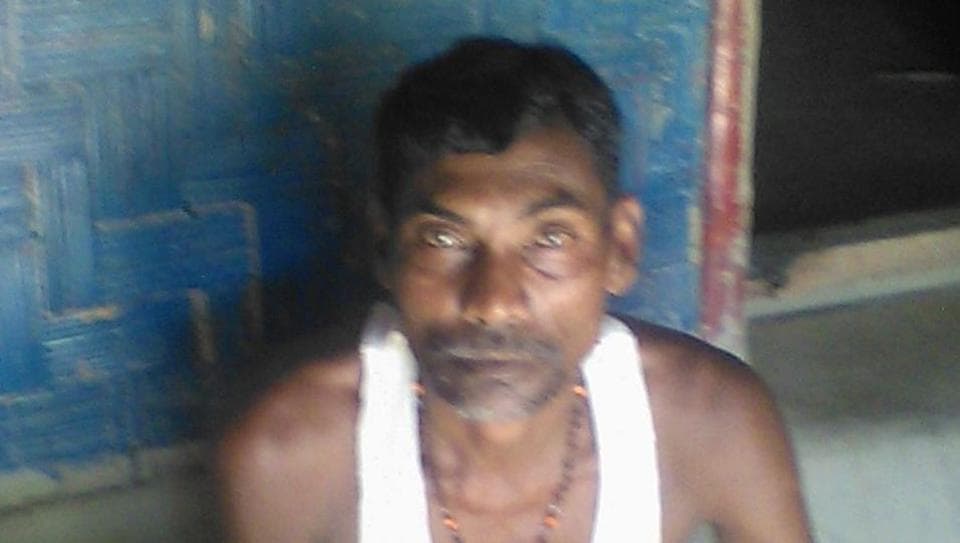
55-year-old honey collector Gopal Mondol is safe from tigers but is left without his livelihood and is battling poverty and hunger.
Mondol is one of the many honey collectors who live on the remote islands of the Sunderbans.
“It is a risky business. Tigers have killed my father, two brothers and cousins in the past. But we still enter the forest to collect around this time as it is a lucrative business and we depend on it. But this year because of the lockdown the forest department has not issued any permits. There is hardly any money in the house to buy the essentials like spices, oil and other items. We are receiving some help from the government but that’s insufficient,” said Mondol, a resident of Pakhiralaya village.
Sunderban - the world’s largest delta – comprises 102 islands in India. While 54 are inhabited by humans, tigers rule the rest. Every year, thousands of people enter the forest to collect honey and catch fish, crabs and prawns - legally and illegally - and get attacked by tigers and crocodiles. Many cases go unreported.
“Tourism and fishing activities are suspended between April and June every year as it is the spawning and breeding season for fish. Only honey collectors are allowed. But this year because of the lockdown even honey collection has been stopped,” said RK Sinha chief wildlife warden of West Bengal.
Every year, around 3000 people are allowed to enter the mangroves with valid permits to collect honey. Many more enter illegally. Locals said that on Monday a villager was killed by a tiger in Pirkali-1 range when a team sneaked into the forest illegally to collect honey. The forest department has no information on this, senior officials said.
The state forest development corporation buys a portion of the honey while the rest is sold in the markets by the honey collectors. Even though there is no official figure of the total amount of honey collected, it is estimated that the production could go up to more than 2.5 lakh kilograms.
“We used to call it ‘blood-soaked honey’ because, among the many people who get killed and attacked by tigers, maximum are honey collectors. It is because unlike fishermen who stay on boats, honey collectors enter the forest and chase the bees to locate the hives,” said PK Vyas, former chief wildlife warden of West Bengal.
West Bengal accounts for the highest number of tiger attacks with around 30 people being killed between 2017 and 2019. Every year, more than 100 people are mauled to death by tigers. But these are just official figures and the total numbers could be much more.
“In April, the honey collection reaches its peak. But we are not being allowed to enter the forest because of the lockdown. It would be a huge loss for us. There is hardly any money at home. The local shops have started refusing to give essential items on credit. Whatever rice and dal we are getting from the ration shops is falling short. Hard days lie ahead,” said Nitish Mondol, a honey collector from Lahiripur village.
Nitish said that for a family of five, he has to depend on 20 kilograms of rice, four kilograms of atta, three kilograms of potato for the entire month. “Do you think this is enough to sustain?” he said.
The forest department is rolling out some plans to help these honey collectors. But that would take time and is still in the proposal stage. A few NGOs are also providing food to the villagers but help is yet to reach all the islands.
“We are preparing the budget proposal for the next financial year. It will be placed soon. We are trying to create some extra employment opportunities for these people and link them to various government schemes so that they can cope up with the loss,” said Sudhir Das, field director of the Sunderban Tiger Reserve.


