
 E-Paper



SC to have special bench to deal with tax cases from next week: CJI
Chief Justice of India (CJI) Dhananjaya Y Chandrachud has announced yet another reform in the top court

 Prefer HTon Google


The Supreme Court will have a special bench to exclusively deal with tax cases from next week onwards, Chief Justice of India (CJI) Dhananjaya Y Chandrachud said on Tuesday, announcing yet another reform in the top court.
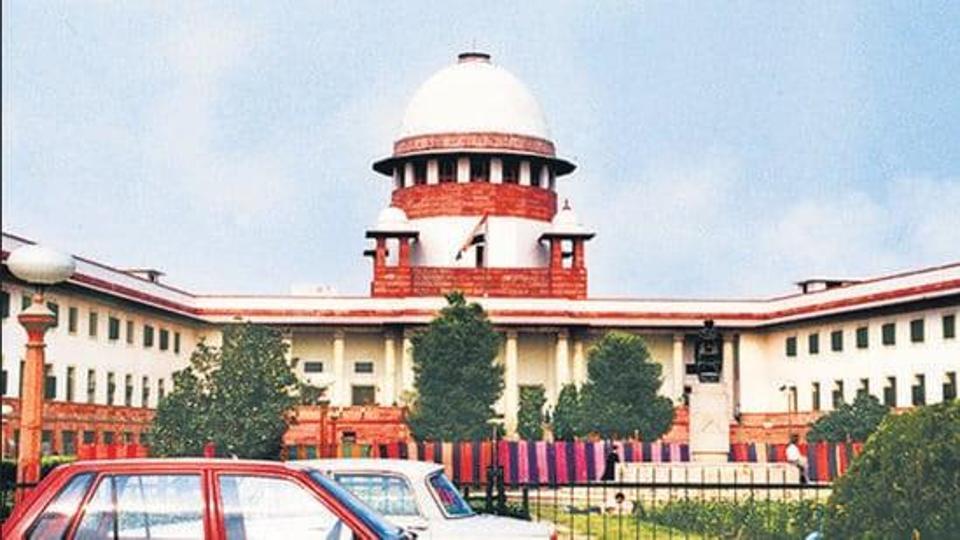
“There will be a special bench from next week onwards, on Wednesdays and Fridays, to deal with direct and indirect sales tax matters solely,” he told a group of lawyers who were present in his court hall to seek dates of hearing.
The decision of the CJI, who took the helm on November 9, is in line with the move by a former CJI, justice HL Dattu, who had in the early months of 2015 constituted a bench that would only hear tax cases, recognising the need to reduce the pile of pending cases in the Supreme Court.
The tax bench at that time comprised two seasoned hands in this branch of law – justices AK Sikri and Rohinton F Nariman. Spelling out a success story, this bench, in less than a year, delivered around 200 judgments in tax laws. The total number of tax judgements delivered in 2015 was the highest for a year since 2007, and this also facilitated wrapping up over 500 connected cases that dealt with similar points of law.
“This is a welcome move, considering the guidance the Supreme Court could provide to the revenue authorities and the litigant for future years and other pending cases. It will help reduce pendency across the courts in the country, besides assisting the calendar management of lawyers who practise in different courts,” said advocate Abhishek A Rastogi of law firm Rastogi Chambers.
Last week, justice Chandrachud declared that matters of personal liberty shall be prioritised in the new regime, as he apprised the lawyers of a full court meeting on November 15 with all the judges of the Supreme Court where a resolution was adopted to hear 10 bail matters and 10 transfer petitions on each day of the week.
On Friday , the CJI stressed that a decision has been taken to give precedence to the cases where petitioners have been inside jails or fear imminent curtailment of liberty.
“After 10 transfer petitions, all the benches shall hear 10 bail matters every day... those are the matters of personal liberty and we will prioritise them. All the courts will start their regular boards after hearing these 20 cases,” he said.
Justice Chandrachud also informed lawyers of the steps taken by him to streamline the listing mechanism and usher in utmost transparency in the manner in which cases get listed in the top court. He announced that all matters registered on Saturday, Monday and Tuesday will be automatically listed the following Monday, and matters registered on Wednesday, Thursday and Friday will be listed the following Friday.



