
 E-Paper



Social media reflects climate change research: Oxford study
The research looked at posts over a two-week period by 288,855 accounts on Twitter and 13,330 public pages on Facebook.


The climate change topic is hotly debated, but a new study at the University of Oxford suggests that the majority of content and commentary on social media supports the scientific consensus on the key subject.
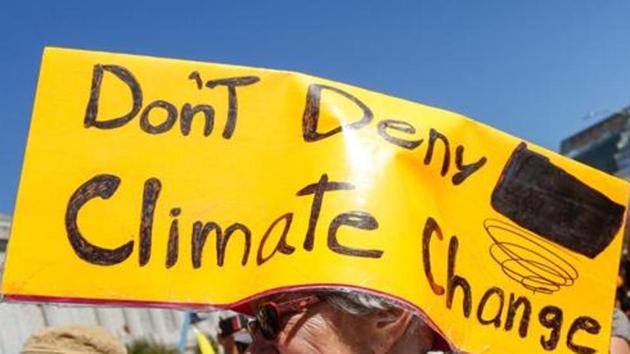
The findings from the Oxford Internet Institute released on Wednesday come amidst growing concern around the polarisation of the debate. The research looked at posts over a two-week period by 288,855 accounts on Twitter and 13,330 public pages on Facebook.
Despite broad consensus among scientists that climate change is both occurring and caused by human activity, the populist campaign expressing scepticism on the validity of the scientific consensus shows no signs of movement in their beliefs, the university said.
“We were surprised to see that the majority of content and commentary being shared actually supports the scientific consensus on climate change. Very little commentary or content in mainstream conversation seems to belong to active climate sceptics,” says Ana Grouverman, lead author on the report.
Also read | India among countries worst hit by climate change, says report
“Our findings indicate that mainstream dialogue on these platforms embraces the scientific consensus.”
Adds researcher Vidya Narayanan: “Given how polarised this issue is in mainstream politics, it would have been easy to assume that social media is awash in climate sceptic content. Contrary to such expectations, however, our findings indicate that mainstream dialogue on these platforms embraces the scientific consensus”.
Only 4% of content on climate change on Twitter, and 1% on Facebook was classified as intentionally ‘polarising and conspiratorial’ content. Of the small amount of content that was found to be purposefully polarising and conspiratorial, video was the most popular medium.
Nearly a third of shared links pointed to YouTube, where content promoting theories like ‘chemtrail’ (a belief that long-lasting condensation trails left in the sky by aircraft are chemical in nature and sprayed to cause harm) or intentional government manipulation of the environment featured prominently.
Findings on Facebook indicated that groups who support the climate change consensus had a wider array of connections across other communities on the platform, while sceptic groups tended to be more isolated on the fringe.
Also read | India should take the lead on climate change


