
 E-Paper



South Mumbai has 23 ‘extremely dangerous’ buildings
The number of such buildings identified by Mhada has risen significantly this year. In 2018, the authority had declared seven structures as “extremely dangerous”; in 2017 and 2016, it was nine and 11 buildings.


The Maharashtra Housing and Area Development Authority (Mhada) on Tuesday declared 23 buildings in the island city as “extremely dangerous” to live in. The authority, as part of its annual pre-monsoon survey, has asked 815 tenants of these buildings to vacate the structures before the rains.
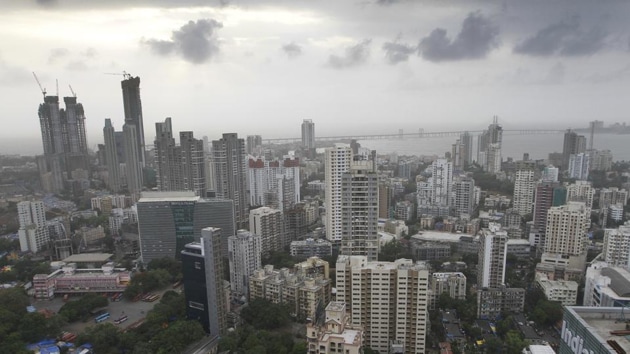
The number of such buildings identified by Mhada has risen significantly this year. In 2018, the authority had declared seven structures as “extremely dangerous”; in 2017 and 2016, it was nine and 11 buildings.
While Mhada has asked the tenants to vacate the buildings “urgently”, not all of them are eligible to get alternative accommodation. Of the 815 tenants, 507 are residents and 308 have commercial establishments in the buildings. According to Mhada, only the residential tenants are eligible for alternative accommodation in transit camps, while the rest will have to make their own arrangements.
“We have arranged for transit camps in Gorai for these tenants. They must move out immediately,” said Vinod Ghosalkar, chairman, Mumbai repair and reconstruction board. “We might have to force them to vacate the building if they refuse to leave.”
The residents, however, are wary of vacating the buildings out of fear that they may not be able to move back to south Mumbai, and also that the transit camps are located in Gorai.
Activists feel the residents’ fears are not unfounded. Over the years, transit camps have virtually become permanent homes for many such residents, as the original structures have either never got redeveloped or the process has taken decades.
“Their [residents’] life gets disrupted,” said Sayyed Mehboob, a social activist. “Gorai is too far for many of these residents to commute for the jobs and for the children to attend school. In the past, many families have become permanent residents of these camps and never come back to their homes.”
Meanwhile, Mhada has identified a total of 14,207 structures as dilapidated in the island city.


