
 E-Paper



Sukma attack fallout: CRPF to get advanced radars to detect buried mines
The radars, which cost around ₹25 lakh each, have the capacity to detect mines or IEDs buried up to a depth of three feet.

 Prefer HTon Google


The home ministry is set to acquire ultra-wide-band microwave ground penetration radars on an emergency basis for the Central Reserve Police Force (CRPF) after nine COBRA troopers on board a mine-protected vehicle (MPV) were killed when suspected Maoist rebels detonated an Improvised Explosive Device (IED) in Sukma district of Chhattisgarh on March 13.
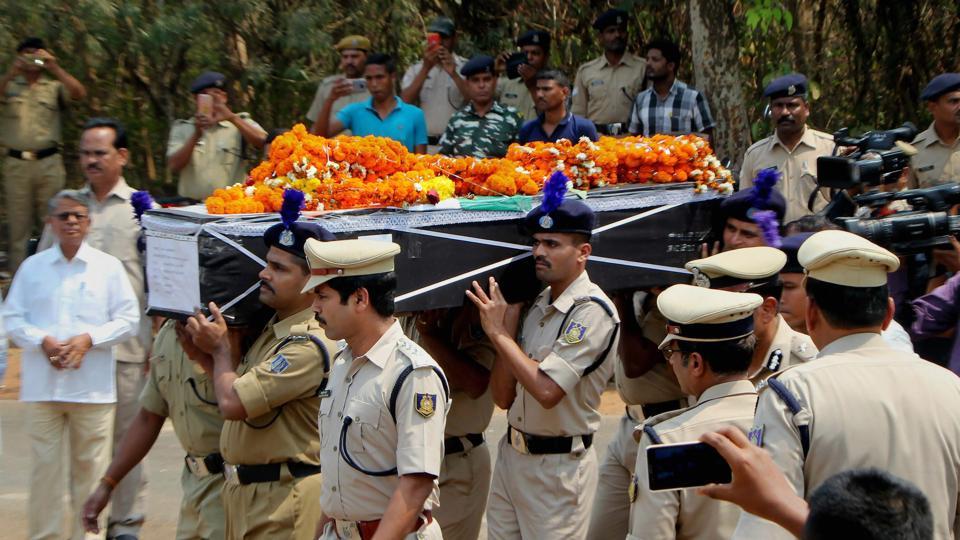
The radars, which cost around ₹25 lakh each, have the capacity to detect mines or IEDs buried up to a depth of three feet.
Initial investigations into the attack on the Kishtaram-Palodi road in Sukma have revealed that two blasts took place around noon when two MPVs were passing through the area.
The first blast toppled an MPV, causing the death of nine personnel from head injuries. A much smaller blast was triggered under the second MPV. While no bodies of Maoists were recovered from the spot, intelligence reports from Andhra Greyhounds, a special force created to combat Maoist insurgents, said six rebels were killed after CRPF troopers in the second MPV responded to the attack on the first.
The first MPV and the site of the attack are being studied by experts from the CRPF and Heavy Vehicle Factory, Jabalpur, but Hindustan Times learns that none of the victims have any bullet injuries.
As the MPV was found to be intact, the forensic and explosive experts are trying to understand how the bodies including that of the driver were flung as far as 25 meters away on the impact of the explosion.
North Block officials told Hindustan Times on condition of anonymity that the IED used in the first blast contained 50 kilograms of fuel oil explosive (94% ammonium nitrate mixed with 6% diesel) and triggered by a camera flash light through a command wire.
Initial evidence indicates that the explosive device was inside a steel container and buried some three feet under the road. It had a huge impact on the MPV as indicated by the 12 feet by 5 feet crater created by the blast. There are no reports of damage to the armour of the MPV. No less than 73 factories manufacture porous ammonium nitrate in India and the basic chemical is available for ₹76 per kilogram.
Given the fact that Maoists are burying devices up to a depth of three to four feet, the CRPF brass is now examining the emergency purchase of ground penetration radars, also used by US forces in Afghanistan, which provide a 3D cross-section of earth under survey. This will ensure that IEDs planted by Maoists are detected promptly, limiting casualties in areas where Maoist rebels, known as Naxalites, are active .
Many in North Block say the fight against Maoists should be fought by the state police like the battle against insurgents is in Kashmir (and in Punjab in the 1980s) rather than being outsourced to the CRPF.
There is also need to speed up road construction in the South Bastar region of Chhattisgarh to ensure development in the innards of Maoist territories. An all-India average that’s upwards of 23 kilometres of roads are being built in the country; the figure has slumped to 5 km per day in South Bastar in the past three months..


