
 E-Paper



Sulabh founder Bindeshwar Pathak, who waged war against open defecation, dies. 5 things to know about him
Sulabh International founder Bindeshwar Pathak, who built community toilets in war against open defecation, died due to cardiac arrest on Tuesday.

 Prefer HTon Google


Sulabh International founder Bindeshwar Pathak, who built community toilets in war against open defecation, died due to cardiac arrest on Tuesday, PTI reported.
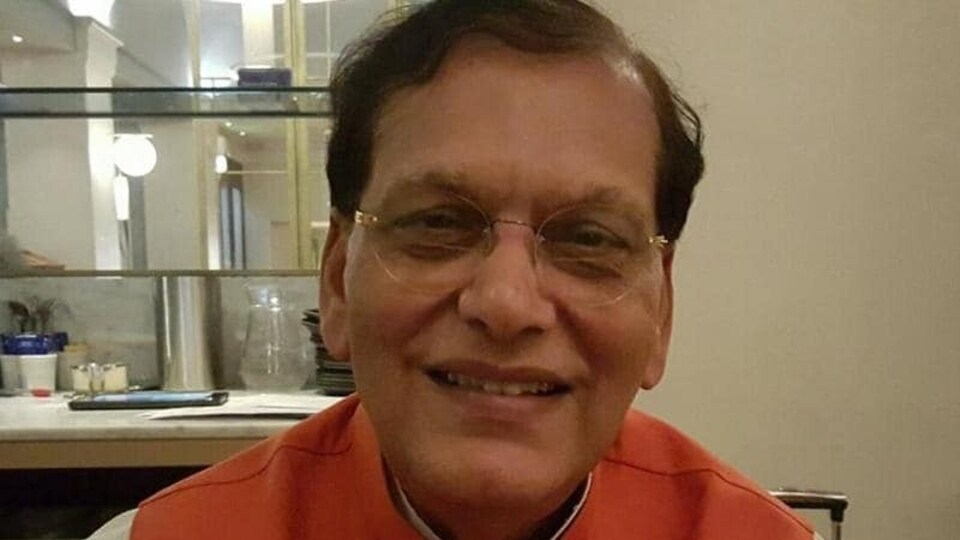
Pathak was the founder of Sulabh International, a social organisation which works to promote human rights, environmental sanitation, waste management and reforms through education.
The aide said that Pathak hoisted the national flag in the morning on the occasion of Independence Day and collapsed soon after that.
He was rushed to AIIMS Delhi. A source at the hospital said Pathak was declared brought dead at 1.42 pm.
Prime Minister Narendra Modi mourned Pathak's demise. “The passing away of Dr. Bindeshwar Pathak Ji is a profound loss for our nation. He was a visionary who worked extensively for societal progress and empowering the downtrodden”, the prime minister wrote on X (formerly Twitter).
“Bindeshwar Ji made it his mission to build a cleaner India. He provided monumental support to the Swachh Bharat Mission. During our various conversations, his passion towards Swachhata was always visible. His work will continue to inspire several people. My deepest condolences to his family and loved ones during this difficult time. Om Shanti”, he added.
Here are five things to know about Bindeshwar Pathak.
1. Bindeshwar Pathak was born in a Brahmin family Rampur Baghel village of district Vaishali, Bihar. His mother was Yogmaya Devi and his father was Ramakant Pathak.
2. Pathak shifted to Patna and enrolled in B.N. College from where he graduated in sociology. He worked as a teacher for a while before joining the Gandhi Centenary Committee in Patna as a volunteer.
3. According to Sulabh International website, Pathak was inspired by Mahatma Gandhi. In the last 50 years, he worked for the human rights of the manual scavengers who come from the lowest stratum of India’s caste-based system and are mostly women.
4. In 1973, Bindeshwar Pathak persuaded Bhagdeo Singh ‘Yogi’, an MLA to write a letter to then prime minister Indira Gandhi, drawing her attention to the situation of manual scavengers. Gandhi replied saying she was writing to the chief minister to give his personal attention to this matter.
5. In 1973, an officer of Arrah municipality, a small town in Bihar, gave Pathak 500 rupees to construct two toilets for demonstration in its premises. The toilets impressed the authorities who sanctioned a project for its wider implementation.


