
 E-Paper



Supreme Court seeks Centre, states’ response on deaths of 32 tribal children in MP
The Supreme Court has sought responses from the Centre, Madhya Pradesh and Chhattisgarh on compensation and measures to protect Baiga tribal children after about 32 deaths in Balaghat.

 Prefer HTon Google


The Supreme Court on Friday termed the deaths of about 32 tribal children in Madhya Pradesh’s Balaghat as “most unfortunate” and sought responses from the Centre and the Madhya Pradesh and Chhattisgarh governments on providing compensation to the victims’ families and taking effective steps to protect other children suffering from severe malnutrition and a lack of drinking water facilities.
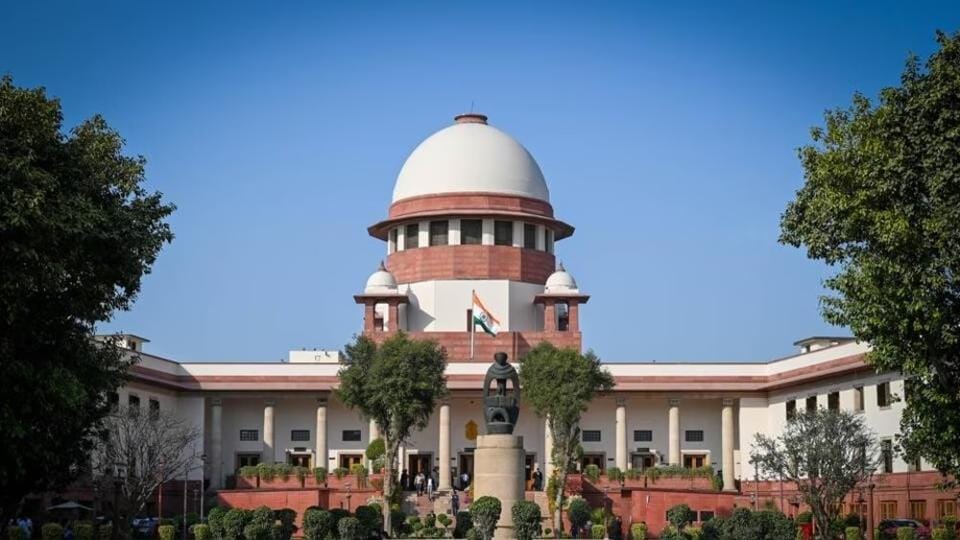
A bench headed by Chief Justice of India (CJI) Surya Kant said, “What has happened is a very unfortunate thing,” as it issued notice on a petition filed by Balaghat resident Ajab Lal Lilhare.
While the bench was initially inclined to refer the matter to the Madhya Pradesh High Court, advocate Varun Thakur, who argued the petition, submitted that the problem concerned children of the Baiga tribe, which has a presence in Madhya Pradesh and Chhattisgarh due to the states’ common border.
He stated that despite the petitioner submitting written representations to the authorities and elected representatives of the area, the early warnings were ignored, leading to the tragedy. The petition states that since January 2026, when the Balaghat-Seoni MP and local authorities were first informed of the worsening health situation among children, the authorities in Madhya Pradesh remained in a “bureaucratic slumber” until the first death occurred after August.
The cause of death, following visits by epidemiological teams, was confirmed to be measles-rubella, the petition said. The virus preys lethally on children whose immune systems are compromised by long-term protein-calorie malnutrition and a severe lack of vitamin A supplementation, it said.
In January, a social worker had alerted the local authorities that a severe, undiagnosed paediatric epidemic was rapidly spreading among Baiga children in Balaghat. The district has no doctors, diagnostic facilities or essential medicines in its forest belt. Sporadic health camps organised in January and February this year were prematurely abandoned without active surveillance, serological testing or vital cold-chain immunisation drives, the petition said.
The local Anganwadi centres did not provide daily supplementary nutritional meals to tribal infants, and ration supplies for joint families were restricted to single-member allocations. This caused systemic starvation, the petition stated, seeking a response from the state authorities over their failure to act in time and prevent the deaths.
The petition sought a direction from the court to declare the Baihar-Birsa block region of Balaghat district “epidemic prone” under the Epidemic Diseases Act, 1897. It also sought compensation for the victims’ families, along with a supply of 10 litres of drinking water per person per day and nutritious food.
Instead of rectifying their mistakes, the petition said, following reports of the deaths, the district administration issued a blanket gag order under Section 163 of the Bharatiya Nagarik Suraksha Sanhita, 2023 (BNSS), penalising citizens and grassroots whistleblowers for photographing, recording or publishing administrative failures in public health institutions.
The petition raised concerns about the surviving children in the Balaghat area and sought consolidated, time-bound directions and structural changes to ensure transparency in reporting deaths, immunisation drives, nutrition delivery and compensation to affected families.
The Baiga tribe is one of India’s most ancient communities. It is geographically isolated and characterised by low literacy rates and stagnant demographic growth, making its members extremely vulnerable.
The nearest community health centre to Balaghat is almost 40 kilometres away, and even this centre lacks effective nursing care and emergency referral transport, the petition states. This has forced the tribal population to rely on unqualified practitioners, further threatening their existence, it added.


