
 E-Paper



Swamy family remembers him as fearless man dedicated to tribal rights
Jesuit priest and activist Stanislaus Lourduswamy, 84, popularly known as Stan Swamy, would visit his family in his native Virugallur village in Tamil Nadu’s Trichy district once every three years carrying only a bag with not more than three sets of clothes

 Prefer HTon Google


Jesuit priest and activist Stanislaus Lourduswamy, 84, popularly known as Stan Swamy, would visit his family in his native Virugallur village in Tamil Nadu’s Trichy district once every three years carrying only a bag with not more than three sets of clothes. Swamy’s last visited the village in December 2019. His family said they wanted him to return home permanently or live in one of the nearby guest houses for Jesuit priests considering his old age and ill-health. They were scared about his safety amid arrests of human rights activists. “But, he (Swamy) was fearless,” said the activist’s grandnephew Benito Prabhu, who was the last family member to meet Swamy in February 2020.
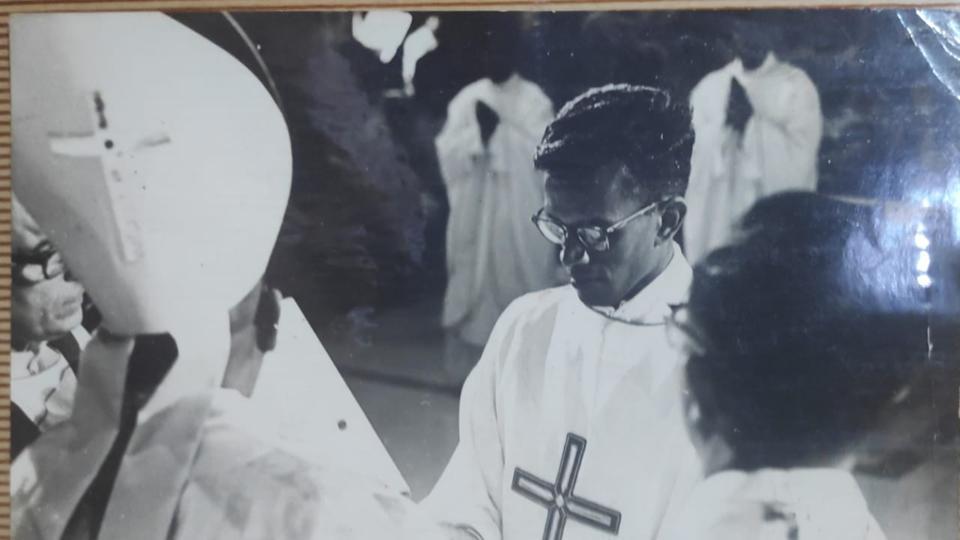
Swamy, who worked for tribal rights in Jharkhand for five decades, was awaiting trial when he died in a Mumbai hospital on Monday. He was 84. Swamy was shifted to a private hospital in Mumbai in May after his health started deteriorating. He was admitted to the Intensive Care Unit, where he tested positive for Covid-19 on May 30. On Sunday, he developed breathing difficulties and was put on a ventilator before he died.
The National Investigation Agency (NIA) arrested Swamy under an anti-terror law in October 2020 for allegedly conspiring to foment violence at Bhima Koregaon village in Maharashtra on January 1, 2018. The village was rocked by caste clashes during the bicentennial celebration of a British-era war by Dalits.
Prabhu said Swamy told him as long as he is alive, he will continue to fight. “He also did tell me that the authorities were somehow trying to frame him after police raided his house in Ranchi in 2018.” Prabhu said during Swamy’s last trip to the village in December 2019, the activist told him he was neither connected to the case nor linked with the 15 activists arrested for allegedly fomenting the violence including Sudha Bharadwaj. “He met Bharadwaj once,” said Prabhu.
The family hoped Swamy would get bail after his arrest given his health condition. “As far back as I can remember, he had Parkinson’s disease,” said Prabhu. “He could only drink with his sipper or with someone’s help by using a straw in a tumbler. He struggled a lot while eating...”
In November, Swamy, who also suffered several other ailments, asked NIA to provide him with a sipper and straw, saying he cannot hold a glass as his hands are unsteady due to Parkinson’s. The NIA asked for four weeks to respond to the request.
Prabhu said they learnt about Swamy’s passing on TV before receiving official confirmation. Relatives and villagers have been thronging his ancestral home since the news of his death broke. Not many knew of Swamy’s family. “Even my friends and colleagues have been posting on Twitter that he has no family,” said Prabhu.
Many in his villager did not know much about a quiet Swamy until his arrest. After graduating from a Trichy college, Swamy left India to complete his study to become a priest in the Philippines. He returned to India in 1971 and the villagers welcomed him in a procession as per the custom for new priests.
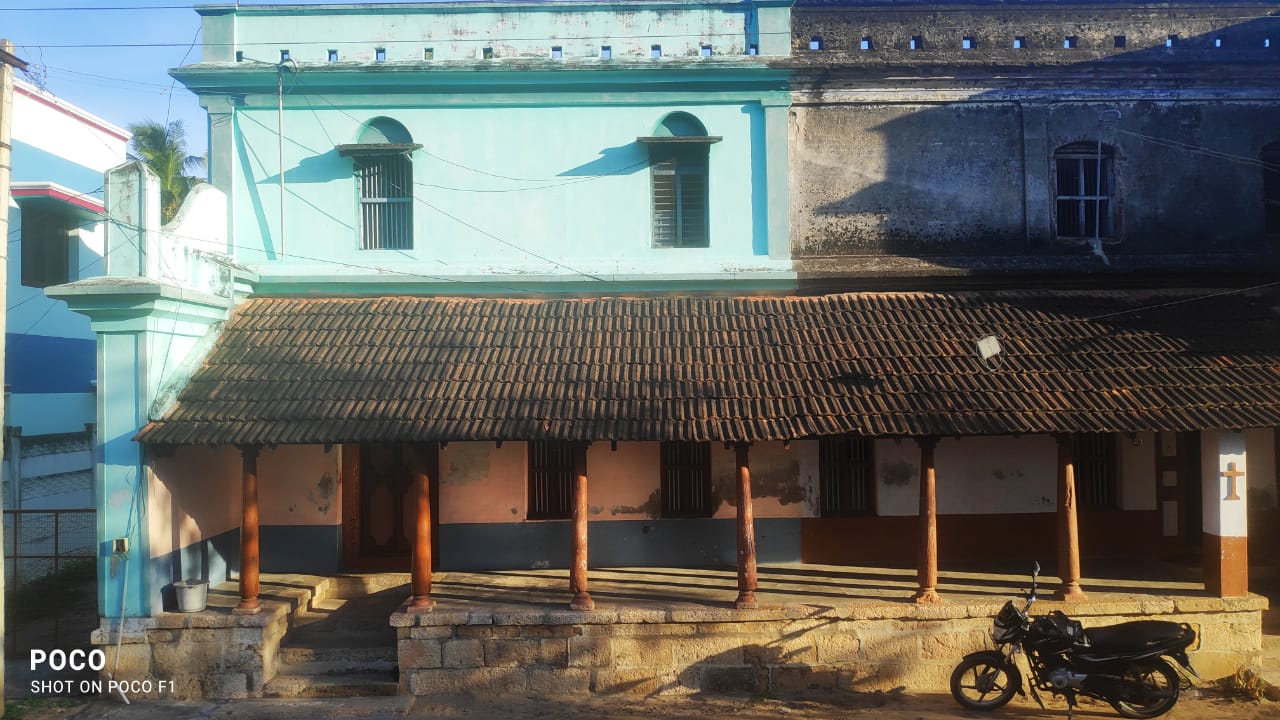
Born on April 26, 1937, Swamy had five other siblings, two of whom have also died. He lost his father at a very young age. Swamy’s older brother, TPL Irudayaswamy, 89, looked after the family as he took up farming after their father’s death. “He (Swamy) was self-reliant and reserved since he was a child,” said Irudayaswamy. “He spoke very less. He was devoted to the church and his studies. Later, he was completely devoted to the struggles of the tribals. He felt so much pain for them...,” said Irudayaswamy, who lives in their ancestral house built in 1890 with his wife, their children, and grandchildren.
The family said wherever Swamy spoke, at the local church during mass or at family gatherings, he only spoke of tribals to whom he had dedicated his life’s work.


