
 E-Paper



‘Setting pace for other sectors to evolve’: PM Modi address Bengaluru Technology Summit 2020
Prime Minister Narendra Modi on Thursday inaugurated the three-day Bengaluru Tech Summit 2020. During the virtual inauguration, PM Modi highlighted the impact of the coronavirus pandemic on the technology sector and lauded the industry, saying it “recognised great opportunities that came with the pandemic.

 Prefer HTon Google


Prime Minister Narendra Modi on Thursday inaugurated the three-day Bengaluru Tech Summit 2020. During the virtual inauguration, PM Modi highlighted the impact of the coronavirus pandemic on the technology sector and lauded the industry, saying it “recognised great opportunities that came with the pandemic. The Prime Minister said the sector realised “it was not the end of the road”.
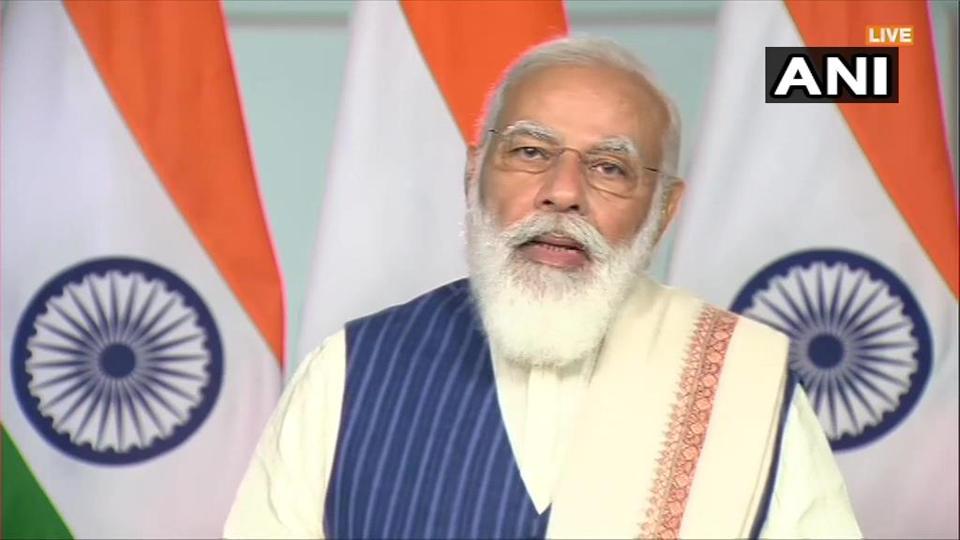
“Technology is setting the pace for other sectors to evolve,” PM Modi also said.
Follow highlights from his address here:
1. “We launched Digital India 5 years back. Today, I am glad to say that Digital India is no longer being seen as any regular government initiative. Digital India has become a way of life. Particularly, for the poor, marginalised and for those in the government.”
2. “Our government has successfully created a market for digital and tech solutions. It has made technology a key part of all schemes. Our governance model is technology first.”
3. “Through technology, we have enhanced human dignity. Millions of farmers received monetary support in one click. At the peak of the Covid-19 lockdown, it was technology that ensured that India’s poor received proper and quick assistance.”
4. “Achievements of the industrial era are in the rearview mirror, and now, we are in the middle of the information era. Future is coming sooner than anticipated In the industrial era, change was linear. But in the information era, change is disruptive.”
5. “India as a country is uniquely positioned for leap ahead in the information era, we have best minds and big market.”
6. “During the Covid-19 pandemic, the amount of tech adaptation would not have been possible in decade, but it happend in juts few months months. Work form anywhere have become norm, and it is going to stay.”


