E-Paper



The lure of the 'mancurad': At 6,000 a dozen Goa's prized mango variety makes heads turn
The demand is mostly from people visiting Goa for a few weeks and will not be around during the peak season when a flood of the fruit ensures prices are cheap

 Prefer HTon Google


Shoppers and visitors to Goa’s famous Mapusa market were taken aback to see the yellowish-green-hued king of fruits.
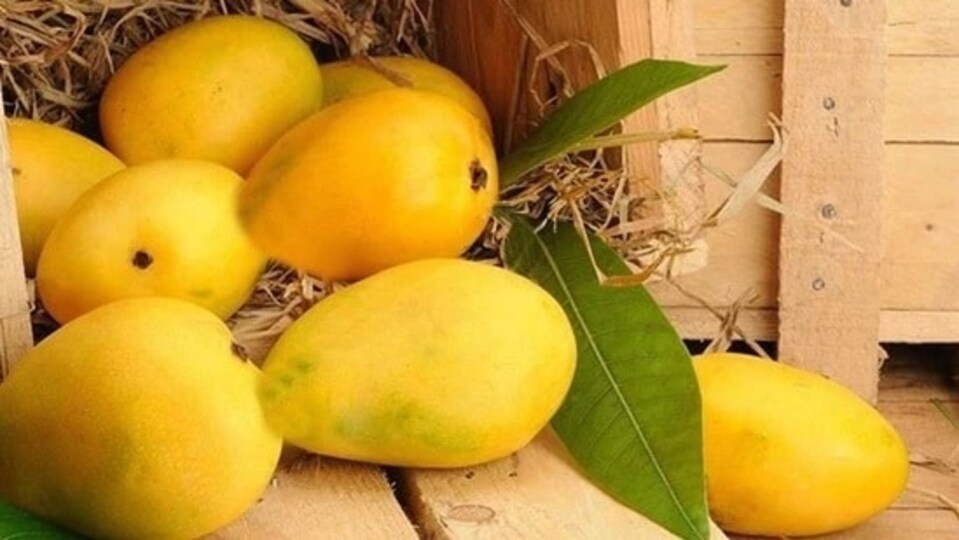
Recognizable by its wrinkled skin and nostalgia-evoking aroma, Goa’s mancurad variety of mangoes made its way to local markets — in the first week of February. Otherwise known to make its presence felt only by late March ahead of the peak season of April-May, the mango variety was selling at a premium price of ₹6,000 a dozen for medium-sized mangoes, down ₹1,000 from their season high of ₹7,000 a dozen.
“We have received limited stock of mangoes of the mancurad variety from growers from villages in north Goa like Siolim and Bicholim” Uday Adpaikar a wholesaler from Margao said.
“We are buying the mangoes at a price of ₹35,000 per 100 mangoes for the medium-sized variety while smaller mangoes are selling for 250-300 per mango (25,000-30,000 per hundred). The retail price is decided accordingly,” Adpaikar said, adding that while demand remained muted there were sufficient buyers across the state who were willing to fork out the premium price to sustain demand.
At the Panaji municipal market, barely a handful of the fruit sellers had stocked the variety but it was they who were receiving the most inquiries from undecided shoppers.
“Because there are buyers, we are stocking the fruit. No one can say no to mangoes,” the seller says.
Among the most sought-after of Goa’s varieties is the mankurad mango (also spelt mancurad and malcorado), one among more than 100 varieties of the locally available ‘king of fruits’ that Jesuit priests developed thanks to their knowledge of grafting techniques then unknown and underdeveloped in Goa.
From there the newly developed varieties reached as far as the Mughal court during the reign of Emperor Akbar who is said to have been so impressed by its taste that he commissioned an orchard of a hundred thousand trees of various varieties brought by Jesuit priests from Goa at Darbhanga.
Former Goa governor Bharat Vir Wanchoo too during his short tenure in the state said that “after coming to Goa and after tasting the Goan mangoes, particularly the ‘mancurad’, he realised that “it is far better than the mangoes he has eaten all his life so far.”
Unfortunately for the mancurad, due to its high sugar content, short shelf-life and inability to travel undamaged, the mancurad along with its even tastier cousin the hilario (or mangilar) have remained restricted to Goa’s markets.
Goa’s mancurad variety of mango was among four agricultural products to have been granted Geographical Indicator status (GI-tag) meaning that only those varieties grown in Goa can be legitimately termed as the original.
However, according to industry experts and growers, the variety currently available in the market isn’t grown in Goa.
Horticulturist and former officer of the state agriculture department Miguel Bragança said that the varieties being currently sold in Goa’s markets, while genuine, have been sourced from Maharashtra’s Sindhudurg district especially places like Vengurla and Kudal.
“The mango is a heat-dependent crop, which means the flowering and fruiting are determined by the crop. The trees are grown in the rocky west-facing slopes of the Sindhudurg district. In such conditions the fruit grows earlier,” Bragança said, adding that even though vendors will tell you they have procured locally grown fruit, it’s only the fruit from Maharashtra that’s available in markets now.
“They forcefully ripen batches of the fruit depending on the demand and the price they can get using ethylene gas and send a limited stock to Goa, in order to ensure the supply does not outpace demand,” he added.
Fruits that have been forcefully ripened with ethylene begin to ripen from the outside towards the inside, unlike those naturally ripened through ethylene that is naturally produced by the seed.
“The artificially ripened fruit is tasty on the outside and sour towards the core. The naturally ripened fruit will be sweet throughout,” he adds.
Yet, the fruit continues to generate demand.
“The demand is mostly from people who are visiting Goa for a few weeks and will not be around when the peak season arrives and a flood of the fruit ensures prices are cheap. Those living abroad or in other parts of the country and who have fond memories of the fruit will be willing to fork out huge sums just to relive their childhood memories. In foreign currency, it is the price of a burger. Locals will prefer to wait until the price comes down,” Bragança said.
“It's a trick that will not work in other markets like Bombay where the variety does not have the same appeal,” he said.