E-Paper



To absorb revenue shocks, Odisha starts Budget Stabilisation Fund
The Budget Stabilisation Fund, also known as rainy day funds, is a fiscal practice in most states of USA. The fund seeks to shield the Budget from revenue uncertainty and volatility and help the state continue its programmed expenditure


Odisha on Saturday claimed to be the first state to present an annual Budget with the provision of a Budget Stabilization Fund that will help it mitigate revenue shocks in future.
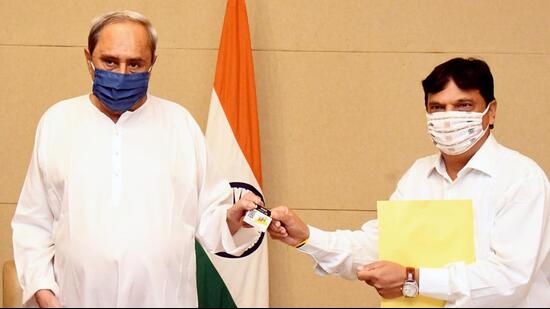
Allocating ₹10,000 crore for the Budget Stabilization Fund, state finance minister Niranjan Pujari said as mining revenues are likely to decline due to high volatility in international commodity prices, it was necessary to neutralise the risk of price shock of metals on the state Budget.
“Due to our proactive steps in renewal of the mining leases at the appropriate time, we had a substantially higher collection of mining revenue during previous two years, which had been instrumental in meeting the need of higher public expenditure in revamping health service delivery and creating livelihood opportunities during the pandemic period. However, the mining revenue may turn negative affecting the State Budget and public expenditure, since the international commodity prices are highly volatile. The stabilisation fund, which is the first of its kind initiative in the country, would help us to set aside certain surplus revenue for times of unexpected revenue shortfall or budget deficit,” said Pujari, while presenting a ₹2 lakh crore Budget for the year 2022-23.
The Budget Stabilisation Fund, also known as rainy day funds, is a fiscal practice in most states of USA. The fund seeks to shield the Budget from revenue uncertainty and volatility and help the state continue its programmed expenditure.
Of the ₹2 lakh crore that the Odisha has made Budgetary allocation for the current financial year, it would earn Rs.1,63,967 crore through various revenue sources including central receipts while the rest Rs.36,033 crore needs to be met through market borrowings. Of the Rs.1,63,967 crore revenue, the state is likely to get ₹94200 crore from its own tax and non-tax revenue including mining revenue.
Though in the last financial year, the state earned an all-time high mining revenue of ₹48490 crore, finance department officials said the Budget Stabilisation Fund was a necessity to absorb the revenue shocks in future as mining revenues may dip once international commodity prices go down.
In the Budget, the government increased its capital expenditure by more than 56% over previous fiscal. With election to the state assembly less than two years away, the allocation for social sector took up 34 per cent of of the total expenditure. The major areas where the social sector expenditures have gone up are - education and skill development (Rs.27,324 crore), public healthcare (Rs.12,624 crore), housing and urban development department ( ₹7,258 crore), pipe and drinking water under Jal Jeevan Mission and Basudha (Rs.7,850 crore) and construction and improvement of roads (Rs.14,454 crore).