
 E-Paper



UK refuses to extradite Dawood Ibrahim aide and Gujarat blasts accused Tiger Hanif to India
One of India’s high-profile cases in the UK, Hanif, reported to be an aide of underworld don Dawood Ibrahim, was arrested in Bolton in 2010. He exhausted options to block extradition after it was cleared by the Westminster Magistrates Court and the high court in 2013.


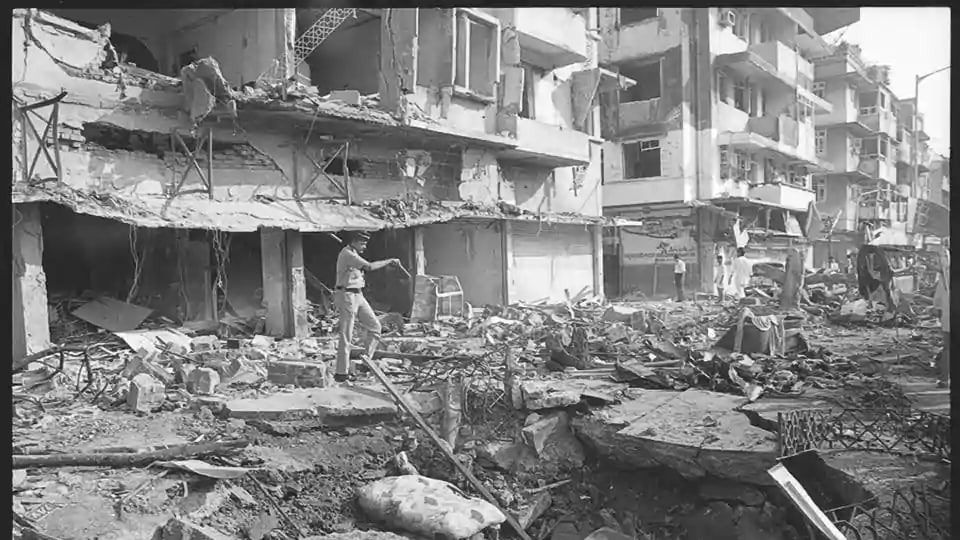
Britain has refused India’s request to extradite Tiger Hanif – described as a ‘classic fugitive’ by the high court of England and Wales – to face charges related to two blasts in Gujarat in 1993 as a revenge for the 1992 Ayodhya demolition.
One of India’s high-profile cases in the UK, Hanif, reported to be an aide of underworld don Dawood Ibrahim, was arrested in Bolton in 2010. He exhausted options to block extradition after it was cleared by the Westminster Magistrates Court and the high court in 2013.
The Home Office informed Hindustan Times that the extradition request for Hanif – full name: Hanif Mohammed Umerji Patel – was refused by former home secretary Sajid Javid and was later discharged by the court.
After losing in the high court in 2013, Hanif made ‘further representations’ to the home secretary, who for years did not take a decision until mid-2019. The home secretary is the final authority to order extradition after a request has gone through courts.
India’s case against Hanif, as the high court stated, was that he was “part of Muslim group which obtained explosives, guns and other weapons and then carried out revenge terrorist attacks on the Hindu community, including two explosions which resulted in loss of life, injury and damage”. Others involved in the blasts were convicted and sentenced.
Hanif’s arguments to oppose extradition included risk of torture in a Gujarat jail, passage of time, that he would be denied justice, and that there is no case for him to answer. For the first time, a team was sent from London to inspect jail conditions in India during the trial.
Charges brought by India against Hanif and businessman Vijay Mallya who is also facing extradition trial are different but the trajectory of their cases in the UK is similar; Mallya has also exhausted legal options to block extradition and is likely to make last bids on ground of issues that arose after court rulings.
For example, health and the incidence of coronavirus in the Arthur Road jail in Mumbai - where Mallya is to be lodged if extradited - are likely to factors. There are reported to be over 150 coronavirus cases in the jail.
“One specific argument that Mallya could advance as a supervening event is that the presence of Covid-19 in Indian jails poses a new and unacceptable risk to his health amounting to a breach of Article 3 of the European Convention of Human Rights”, said Nick Vamos, former head of extraditions at the Crown Prosecution Service.
“Events can occur after all appeals have been dismissed which would make extradition incompatible with the requested person’s human rights...The law is now clear that, in this event, the case will go back to the high court”.
“Mallya would have to establish that the issue arises as a result of a supervening development or event and provide a reasonable explanation why the issue was not anticipated at the extradition hearing or on any appeal”, Vamos, partner of law firm Peters & Peters Solicitors, added.


