
 E-Paper



UNESCO adds Diwali to global intangible heritage list as Delhi hosts key session
More than 1,000 delegates from over 180 countries have come together for the six-day UNESCO meeting, which began on December 8

 Prefer HTon Google


New Delhi: Deepavali, the festival of lights celebrated across India and the diaspora, was on Wednesday inscribed on the United Nations Educational, Scientific and Cultural Organisation (UNESCO)’s representative list of the Intangible Cultural Heritage of Humanity, as New Delhi hosts the ongoing session of the intergovernmental committee at the Red Fort.
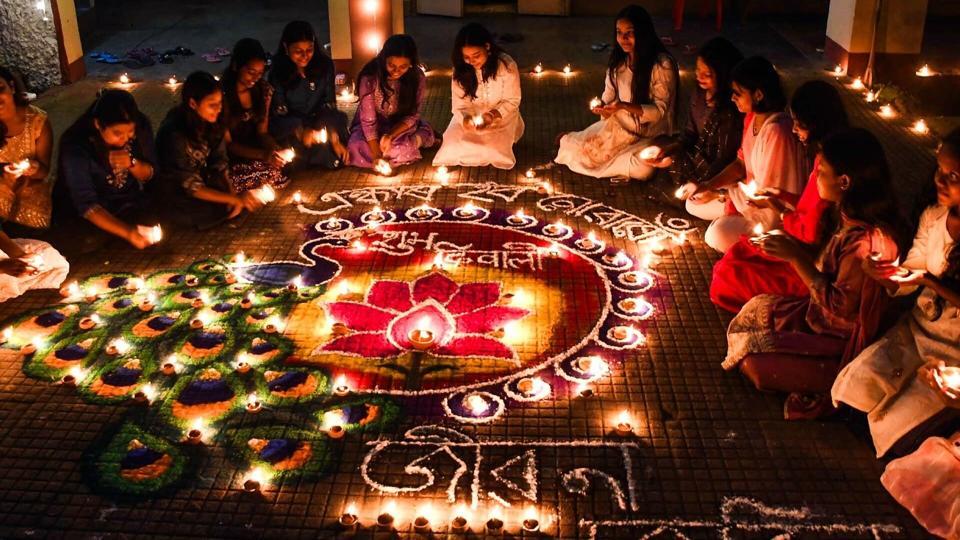
Describing the festival, UNESCO said on its official website, “Deepavali, also known as Diwali, is a light festival celebrated annually by diverse individuals and communities across India, that marks the last harvest of the year and the start of a new year and new season. Based on the lunar calendar, it falls on the new moon in October or November and lasts several days. It is a joyous occasion that symbolises the victory of light over darkness and good over evil. During this time, people clean and decorate their homes and public spaces, light lamps and candles, set off fireworks, and offer prayers for prosperity and new beginnings”.
Prime Minister Narendra Modi called the inscription as a moment of collective pride and said, “For us, Deepavali is very closely linked to our culture and ethos. It is the soul of our civilisation. It personifies illumination and righteousness. The addition of Deepavali to the UNESCO Intangible Heritage List will contribute to the festival’s global popularity even further.”
Union minister Gajendra Singh Shekhawat welcomed the development as “a historic day for India”, saying the honour celebrates Deepavali’s universal message—“hope over despair, harmony over division, and light for all.”
Government officials said that the capital has curated performances, lighting rituals, and exhibitions on traditional arts associated with Deepavali for a grand celebration.
“December festivities will include illumination of key government buildings, decorative installations across public spaces, diya displays, and district-level cultural programmes on Deepavali. All government buildings will be decorated, diyas will be lit at the Red Fort, and Diwali markets will be set up across the city,” Delhi’s cultural minister Kapil Mishra said.
More than 1,000 delegates — including committee members, experts, accredited NGOs and practitioners — from over 180 countries have come together for UNESCO’s 20th Intangible Cultural Heritage Committee session from December 8 to December 13.
The UNESCO meeting was formally opened by external affairs minister S. Jaishankar, who described India’s cultural heritage — from rituals and languages to craftsmanship and music — as the most “democratic expression of culture,” owned collectively and passed down through generations.
Jaishankar urged participating nations to strengthen efforts to protect and transmit their cultural inheritances “in the shared pursuit of peace and prosperity.”
The inaugural ceremony saw participation from Union minister Gajendra Singh Shekhawat, UNESCO director-general Khaled El-Enany, Delhi chief minister Rekha Gupta, and India’s delegate to UNESCO Vishal V. Sharma.
For the Deepavali nomination, the Sangeet Natak Akademi coordinated extensive consultations, gathering community inputs, written and audiovisual testimonials, and expert guidance from practitioners, scholars, writers and poets to reflect the festival’s pan-Indian character and its deep resonance among global Indian communities.
Intangible cultural heritage, as UNESCO defines it, includes the practices, knowledge, expressions, objects, and spaces that communities see as part of their cultural identity. Passed down over generations, this heritage evolves, strengthening cultural identity and appreciation of diversity.
India now has 15 elements on UNESCO’s intangible heritage list, ranging from yoga and Vedic chanting to the Kumbh Mela, Garba, Ramlila and Bengal’s Durga Puja. The country has also forwarded a nomination for Bihar’s Chhath Puja for the next evaluation cycle.


